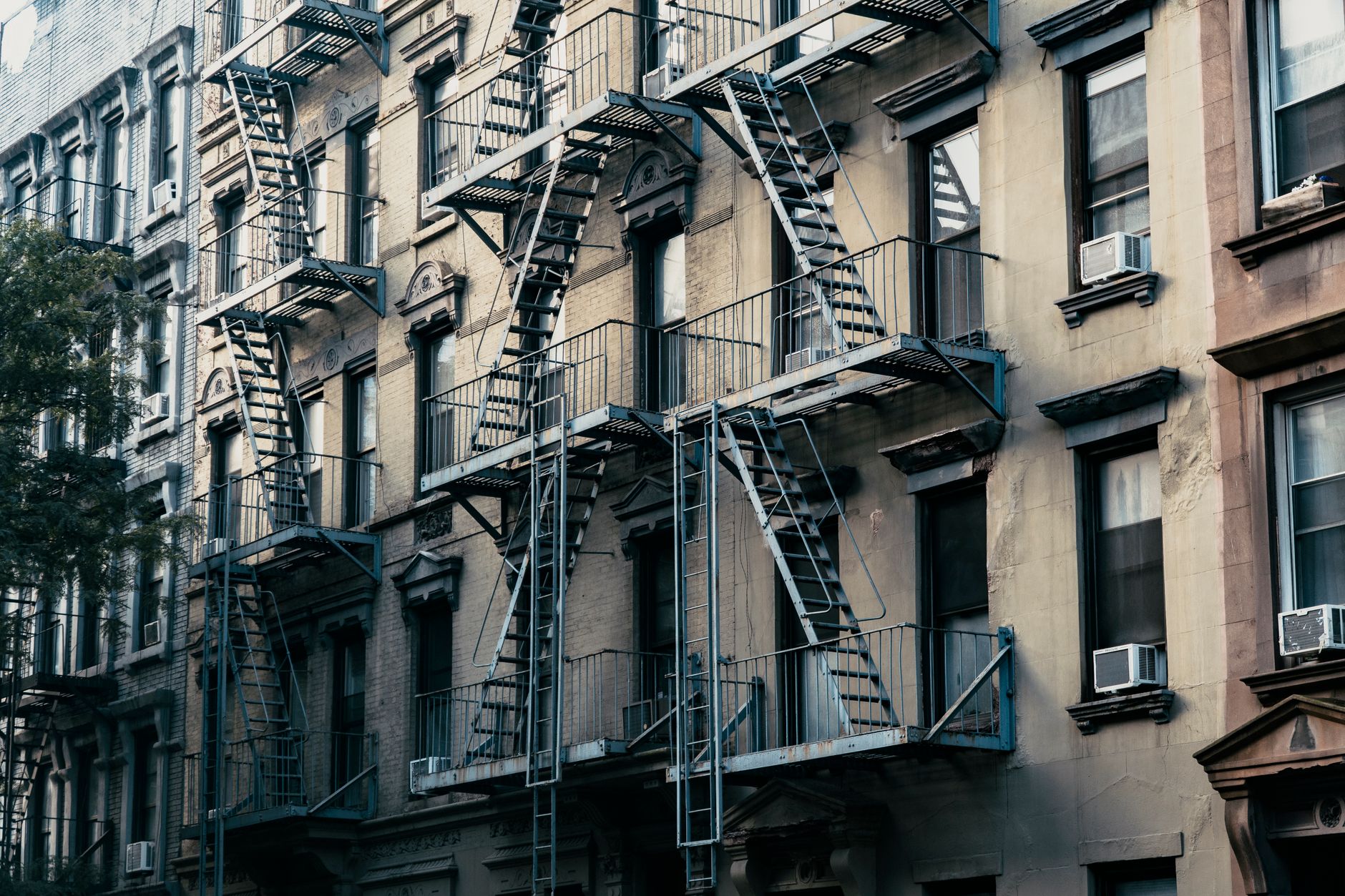
A fair offer after an apartment fire spread through open fire doors pays for future medical care and lost earning power, priced through a life-care plan built with the treating team and an economist. A dangerously low offer pays only bills to date and demands a broad release before lung damage has stabilized.
A fire door is a self-closing apartment-entry or stairwell door that blocks heat, smoke, and gases when shut. That difference matters because an open door lets a room fire become a building injury event. Readers weighing an offer need to link door failure to smoke harm, full costs, and release timing.
Official resource:
- Read the official guidance from Nyc — Use this primary source to verify the official guidance.
Table of Contents
- How an open door spreads smoke and heat
- Why owners face hard questions about door maintenance
- What smoke and burn injuries really cost
- What makes an offer fair or dangerously low
How an open door spreads smoke and heat
Full-scale fire tests show why closure matters. According to UL Research Institutes' Fire Safety Research Institute, closed-door test results averaged under 100 degrees Fahrenheit in closed bedrooms while open rooms exceeded 1,000 degrees, with carbon monoxide near 100 parts per million versus 10,000 parts per million. In a tower, two open doors can stack the harm.
The apartment door lets smoke into the corridor. The stair door lets smoke rise through the escape path. The January 9, 2022 Bronx Twin Parks fire shows that pattern. According to door expert Lori Greene writing for iDigHardware, her January 2022 Bronx fire analysis reports apartment and stair doors that should have self-closed stayed open, smoke swept the tower, and 17 people died including 8 children.
Why owners face hard questions about door maintenance
U.S. model codes have required self-closing apartment-entry and stairwell fire doors for decades. Inspection under NFPA 80 requires the self-closing device to fully close the active door from the full-open position, according to Greene. New York City made the duty explicit.
According to the City of New York, the Local Law 111 text required doors to interior corridors and stairs in residential R-1 and R-2 buildings to be self-closing by July 31, 2021, with owners responsible for maintenance. Maintenance history can strengthen a negligence claim. USA Today Network reporting notes the Bronx building had at least five self-closing-door citations from 2013 to 2019. Useful proof includes inspection logs, work orders, closer adjustments, tenant complaints, and violation clearances.
What smoke and burn injuries really cost
Smoke inhalation is the leading cause of fire deaths. Hot gases, soot, carbon monoxide, and cyanide injure airways and lungs, and airway damage often worsens over the first day or two, according to Wagner Reese LLP and Fob and Foster. Survivors can face long treatment arcs.
According to Wagner Reese LLP, its burn-injury guide says severe cases often cost hundreds of thousands of dollars for emergency care, intensive care, surgery, grafting, rehabilitation, and lost wages, plus lasting lung limits, scarring, and psychological harm. That arc sets the valuation question. Bills to date miss oxygen needs, pulmonary follow-up, scar revision, therapy, home help, and reduced work capacity. A claim file should track symptoms daily, keep all breathing tests, and save receipts for travel, care, and missed work.
What makes an offer fair or dangerously low
A fair offer starts from a life-care plan with the treating team and an economist for future care and earning loss, not only past bills, according to Fob and Foster. It names each future cost, the medical basis, the price source, and the discount method. It also reserves or separately resolves liens, wage loss, and household services.
A low offer reverses that order. It arrives fast, uses a round number, and ties payment to a broad release of all persons and future claims. It is most dangerous before lungs stabilize, before specialists set work limits, and before scarring and mental-health effects are clear.
- Ask for the life-care plan, economist report, and lien breakdown in writing
- Refuse a broad release before doctors state maximum medical improvement for lungs and airway
- Require separate lines for past bills, future care, lost earnings, and pain-related harms
- Get a second medical opinion if breathing worsens after day one, then update the demand before signing
You Might Also Like
- Mold and Sewage Exposure in Public Housing: What Could Make a Settlement Offer Fair—or Dangerously Low?
- A Warranty Company Denying Every Major Repair: What Could Make a Settlement Offer Fair—or Dangerously Low?
- A Military Base Contaminating Groundwater: What Could Make a Settlement Offer Fair—or Dangerously Low?