A Robot Injuring a Worker During Autonomous Operation: Settlement, Trial, and Appeal Issues Explained

How robot-injury claims bypass employer immunity, why they settle before appeal, and what evidence to preserve from the cell first.
Workplace injuries and workers’ compensation: benefits, disputes and employer liability.
How robot-injury claims bypass employer immunity, why they settle before appeal, and what evidence to preserve from the cell first.

Robot injury claims are won on controller logs, interlock history, and lockout paperwork — here is what to preserve and who can actually be sued.

When hospitals confront costly negligence verdicts, staff departures force institutions to dramatically raise compensation to remain competitive.

North Carolina hospital negligence verdicts reshape workforce compensation when institutions recognize that retention and operational reform require financial commitment.
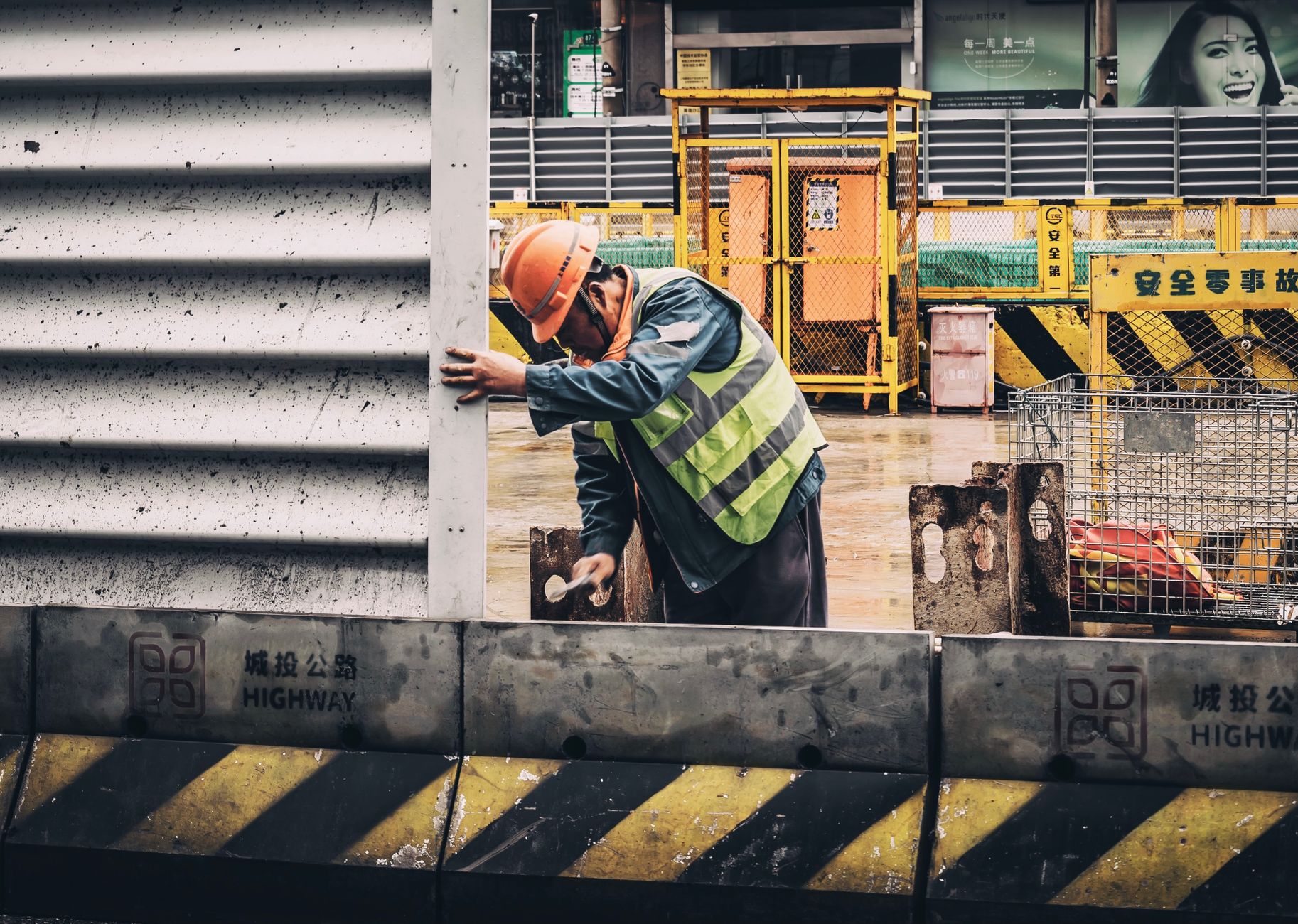
Highway worker hit-and-run on Massachusetts turnpike leads to arrest, opening paths to both criminal justice and personal injury compensation.

Damages for lost income depend on your actual earnings, recovery time, and whether the injury causes permanent earning loss—with no fixed ceiling.

NSW workplace compensation reforms clarify benefit eligibility and timelines for injured workers while reducing employer compliance ambiguity.

A class action lawsuit is a legal mechanism that allows one person or a small group to sue on behalf of a much larger group of similarly situated parties,…

The amount you can sue for retaliation at work depends on several factors, including the severity of the retaliation, the type of harm suffered, your…

To prove a hostile work environment, you must document a pattern of discriminatory or harassing conduct based on a protected characteristic—such as race,…