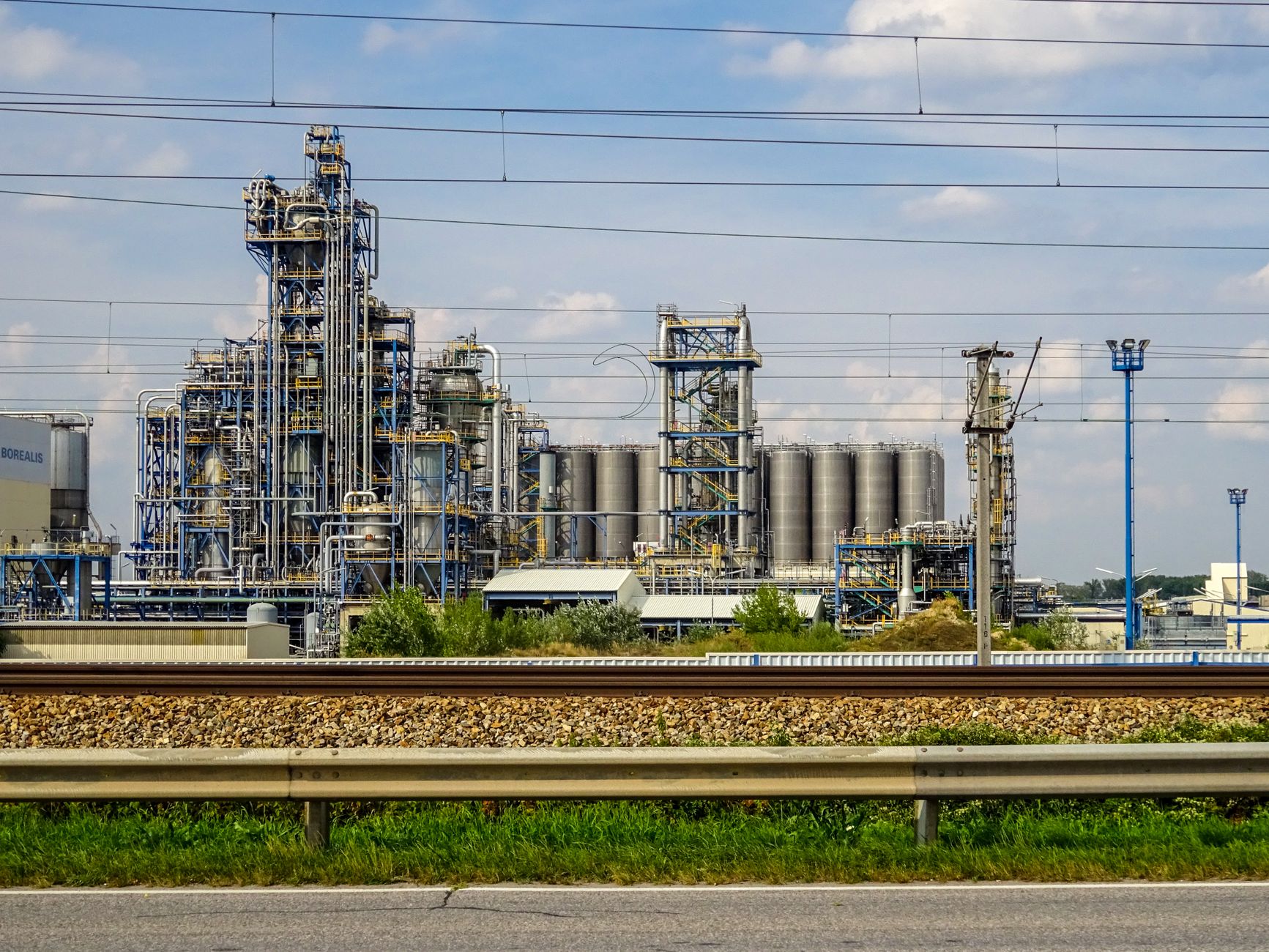
Nearby residents can prove liability with records that tie a plant failure to their exposure, injury, and cause. Weak or mismatched exposure and medical proof can defeat the same claim. A toxic tort is a lawsuit seeking payment for harm from chemical contact.
The stakes are real. According to the U.S. Chemical Safety Board final TPC report, the November 27, 2019 rupture at TPC Port Neches, Texas released highly flammable butadiene that ignited, hurt workers, damaged nearby homes, and was felt up to 30 miles away. That kind of blast creates both strong paper trails and hard proof problems for neighbors.
Table of Contents
- What residents must prove
- How safety breakdowns show fault
- What links the release to your injury
- What can defeat a claim
- What to save and do next
What residents must prove
A toxic-tort plaintiff must show exposure to a disease-causing agent, defendant responsibility for that exposure, suffered injury, and proximate cause. That framework comes from the Cornell Law School Legal Information Institute toxic-tort overview. Each link needs its own evidence. Some courts also separate general causation from specific causation.
General causation asks whether the chemical can cause this type of harm in people. Specific causation asks whether it caused this resident's injury. For neighbors, that means location and timing matter as much as diagnosis. Where you were during the plume, how long the release lasted, and what your records show afterward all feed the chain.
How safety breakdowns show fault
OSHA's Process Safety Management standard, 29 CFR 1910.119, requires plants to prevent catastrophic releases of toxic, reactive, flammable, or explosive chemicals. It calls for process safety information, hazard analysis, operating procedures, mechanical integrity, management of change, and incident investigation. EPA's Risk Management Program rule separately requires covered facilities to prepare a Risk Management Plan for local fire, police, and responders.
Each plan must describe accident effects, prevention steps, and emergency-response procedures, plus accident history and hazard review. The TPC case shows how a missed hazard becomes fault evidence. The Chemical Safety Board found popcorn polymer from high-purity butadiene built up in a temporary dead leg and ruptured the pipe. The facility had failed to identify and control that hazard.
What links the release to your injury
Fenceline air data can help, but it has sharp limits. According to the U.S. EPA enforcement alert on benzene fenceline monitoring, refineries use Method 325 passive tubes and must file root-cause and corrective-action reports when annual-average benzene exceeds the threshold. Those reports are key liability evidence, but annual averages alone cannot prove a resident's peak blast exposure. Blast and damage evidence fills part of that gap.
Escaping fluid at TPC fueled fires for over a month and damaged nearby homes and buildings. Photos of broken windows, roof damage, soot, debris patterns, and medical visits in the days after carry weight. Keep your own exposure file simple and prompt. Save clinic notes, prescriptions, work excuses, and receipts. Write down where you were each hour during the release and what you smelled, felt, or saw.
What can defeat a claim
The wrong expert science can sink a case. According to the Spencer Fane analysis of Ruffin v. BP, the Fifth Circuit affirmed excluding an expert who relied on benzo(a)pyrene studies without showing the cleanup worker encountered that specific chemical. Matching the studied substance to the person's actual exposure matters. Dose still matters in a practical way.
The same decision says Daubert does not demand a precise dose number but does require harm at human-relevant exposure levels. General studies about high doses will not carry a low-level neighborhood claim. Other gaps are simpler. No documented presence in the plume area, a long delay before care, or a competing cause for the same symptoms can break specific causation. Defense teams look for each missing link.
What to save and do next
Ask for the plant records that show notice and prevention. Useful items include prior accident history, hazard reviews, maintenance logs, change records for idle pumps or piping, and emergency-response plans.
Missing or stale reviews support negligence, while clean and current records cut against it. For your household, act in the first days: Bring that packet to a personal injury lawyer for a causation check. Ask directly whether your chemical, timing, and diagnosis can support both general and specific causation with human-relevant proof.
- get examined promptly and describe the blast, smoke, odor, and timing
- keep damaged items, filters, photos, and repair estimates
- save location proof such as phone location history, work logs, or school records
- avoid signing broad medical releases or quick settlement forms before review