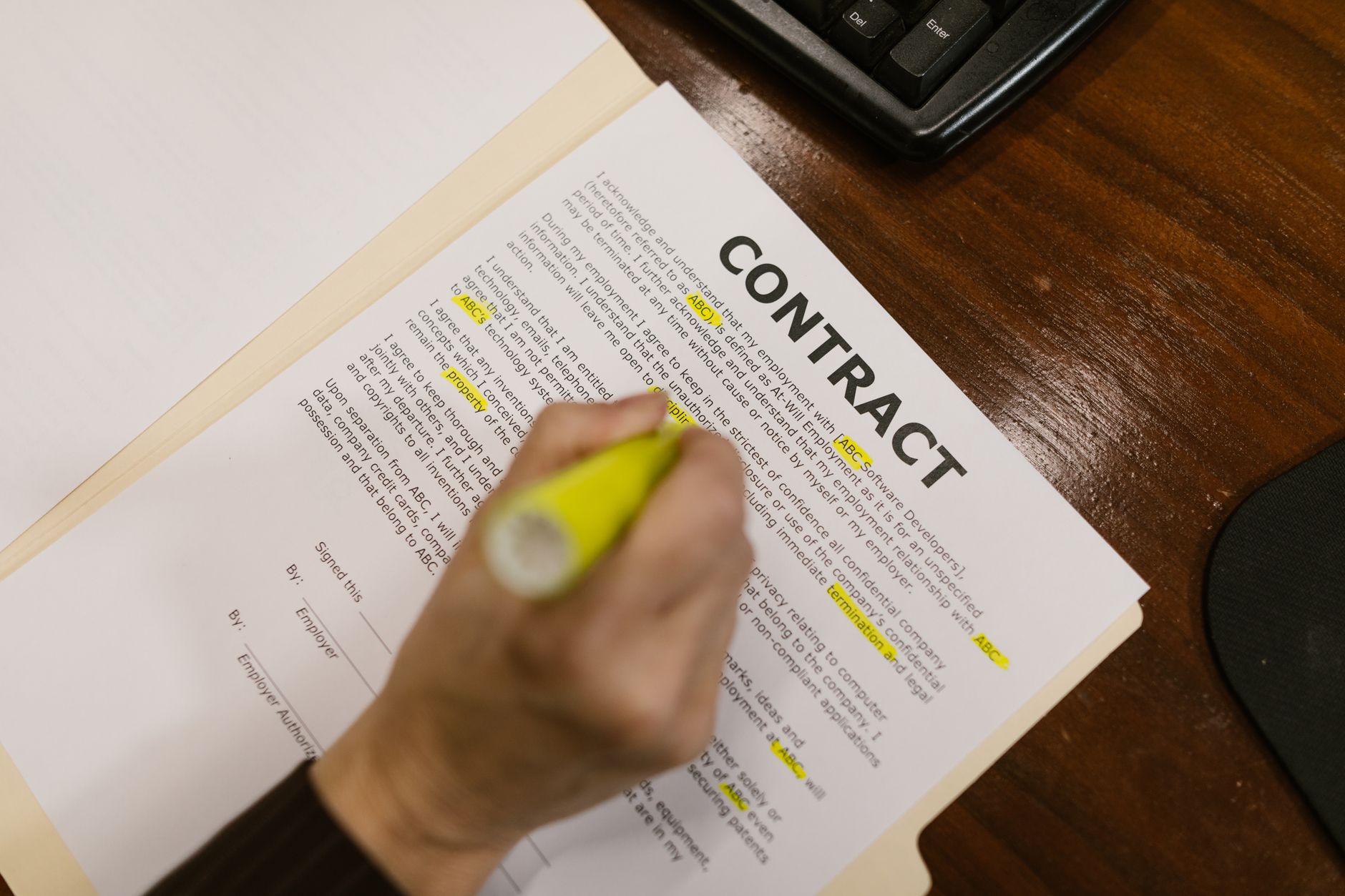
A fair settlement offer pays what your vehicle service contract actually covers — a vehicle service contract is the legal name for what sellers often call an "extended warranty" — minus its deductible and limits, plus any separate unearned refund if you financed the deal. An offer is dangerously low when it pays only a fraction of one repair bill and ignores those contract limits and that independent refund value. Blanket denials of every major repair rarely reflect normal contract interpretation. They can point to an unlicensed agreement, a packed add-on you did not want, or a cancellation and refund right worth more than the offered check.
Official resources:
- Read the official notice from Ca — Use this primary source to verify the official announcement.
- Read the original report from FTC — Use this primary source to review the complete report.
Table of Contents
- Why repeated denials raise a different legal question
- What a fair number must include
- Was the contract packed into your loan
- How to test the offer before you sign
- When cancellation may beat a small settlement
Why repeated denials raise a different legal question
California regulators ordered Ideal Auto Protect and its owners to stop selling allegedly illegal vehicle service contracts after sales to 12 consumers for over $22,000, citing denial of consumers' claims among the violations, according to the California insurance department's 2022 enforcement release. That pattern matters because an unlicensed contract may not be enforceable in the way a licensed one is.
Mailers that list your exact year, make, and model or use a manufacturer-style logo often falsely suggest factory backing. California's regulator says it receives many complaints about illegally sold repair agreements using those tactics.
What a fair number must include
A fair offer starts with the contract language, not the repair shop estimate. Limits on covered parts, approved shops, deductibles, and labor-rate caps can sharply reduce the covered amount, and the Federal Trade Commission warns those limits can make a contract nearly worthless, as explained in the FTC's auto warranty guidance.
Then add any unearned product refund as a separate line. The Consumer Financial Protection Bureau found auto-loan servicers miscalculated refunds for financed extended-warranty and other add-on products when loans ended early, so check that refund apart from the repair bill, as described in the CFPB's review of add-on overcharges.
Was the contract packed into your loan
Ask whether the service contract was added to financing without clear consent. A 41-state settlement with subprime lender Credit Acceptance Corporation provided about $694 million in relief and barred packing unwanted vehicle service contracts and GAP products into loans, according to the Virginia attorney general's 2026 settlement announcement.
That breakdown included $60 million in restitution, $388 million in repossession debt relief, and $246 million in keep-the-car relief, plus $15 million to states. If your contract was financed, pull the loan papers, the itemized add-on charges, and any early payoff or repossession records before you accept a repair-only payment.
How to test the offer before you sign
Federal warranty rules generally bar voiding coverage solely because you used third-party parts or independent service, unless that item or service was free or covered by a federal waiver. Damage caused by an unauthorized part or service can still be excluded.
- Compare each denied repair to a specific exclusion, deductible, and labor-rate cap.
- Ask whether denial rests only on independent service or aftermarket parts.
- Calculate the separate cancellation value: full refund or pro-rata refund less claims paid.
- Demand the unearned financed-product refund calculation in writing.
When cancellation may beat a small settlement
California gives many buyers a short full-refund window if no claims were made and written notice is timely: 60 days for most new-car contracts and 30 days for used cars without a manufacturer warranty. After that window, the buyer generally receives only a pro-rata refund less claims paid.
Measure a low offer against that cancellation math plus the financed-product refund. File complaints with the seller, state regulators, and ReportFraud.ftc.gov, and keep denial letters, estimates, loan statements, and cancellation notices together.
You Might Also Like
- A Solar Installer Accused of Misrepresenting Energy Savings: What Could Make a Settlement Offer Fair—or Dangerously Low?
- A Fintech App Freezing Customer Funds Without Explanation: What Could Make a Settlement Offer Fair—or Dangerously Low?
- A Warranty Company Denying Every Major Repair: What Facts Could Support an Exemplary-Damages Claim?