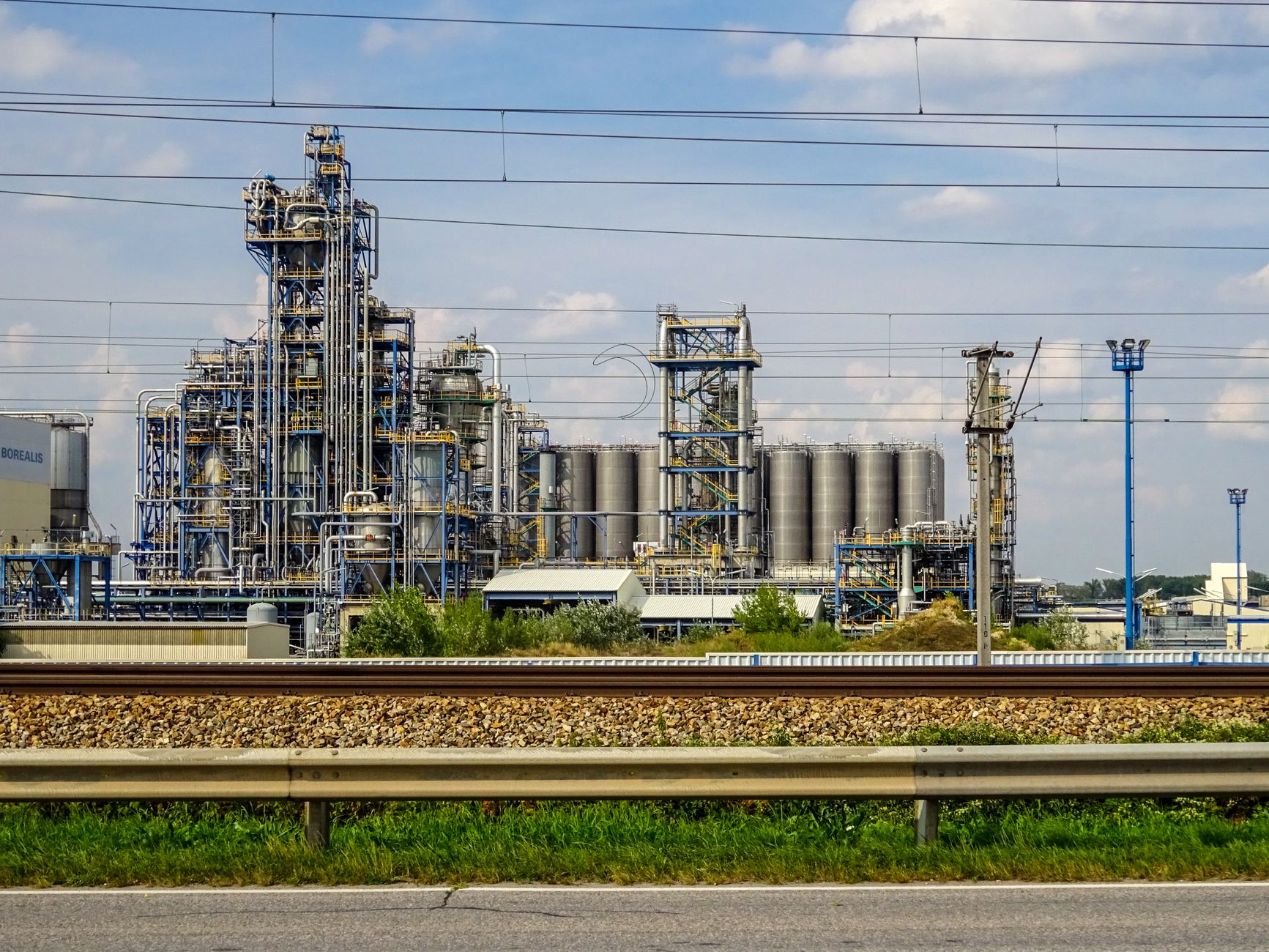
Nearby residents injured by a chemical plant explosion could seek compensatory damages for economic losses and non-economic harm. Economic damages could cover medical costs, lost wages, property damage, and necessary expenses, while non-economic damages could cover pain, suffering, and loss of enjoyment of life.
Compensatory damages mean monetary awards intended to make an injured party whole for proven harm. Cornell Law School's Legal Information Institute uses that definition in its overview of damages. Real blasts have thrown debris offsite, damaged homes a mile away, and forced thousands to evacuate.
Table of Contents
- What economic damages can nearby residents claim?
- What non-economic damages may apply?
- How have blasts harmed people offsite?
- What limits and records shape a claim?
What economic damages can nearby residents claim?
Courts consider fair market value of destroyed or damaged property, lost wages and income, and necessarily incurred expenses. Cornell Law School's Legal Information Institute lists those categories in its guide to compensatory damages. For a resident, that can mean a cracked foundation, a totaled car, missed shifts, and hotel or travel costs during evacuation.
The U.S. EPA explains that offsite property damage includes broken glass in houses, buildings, and cars plus structural damage. That description matters because blast pressure often breaks windows first and cracks walls second. Keep repair estimates, receipts, and photos tied to each room, vehicle, or structure.
What non-economic damages may apply?
Pain and suffering is compensable as noneconomic damages. Cornell Law School's Legal Information Institute says it covers physical discomfort, anguish, inconvenience, emotional trauma, and loss of enjoyment of life, in its discussion of pain and suffering. For a neighbor, that can include burns, breathing distress, anxiety, sleep loss, and inability to play, work, or care for family.
These harms depend on daily detail. Note pain levels, missed activities, and limits on movement, concentration, or rest. Ask treating providers to record symptoms, referrals, and functional limits at each visit.
How have blasts harmed people offsite?
The U.S. Chemical Safety Board reported that the Dec. 7, 2009 explosion at NDK America in Belvidere, Illinois threw debris about 300 yards offsite, fatally injuring a member of the public and causing two minor injuries.
That pattern shows risk does not stop at the fence line. Occupational Health and Safety, reporting CSB findings, described the November 2006 Danvers, Massachusetts solvent explosion as injuring 10 community members and damaging or destroying more than 100 homes and businesses up to one mile away. Industrial Safety and Security Source, reporting federal filings, described the Nov. 27, 2019 TPC Port Neches explosions as prompting evacuation of thousands, releasing over 11 million pounds of hazardous substances, and causing over $130 million in offsite impacts.
What limits and records shape a claim?
Compensatory awards exclude punitive damages and rest on proven harm. Emotional distress is difficult to price, so records carry weight.
Cornell Law School's Legal Information Institute draws that line in its compensatory-damages guidance. Residents should preserve proof from day one: Save originals, track dates, and keep one folder for bills and one for daily limits.
- medical visits, prescriptions, therapy notes, and symptom diaries
- pay stubs, employer letters, and lost-income calculations
- repair invoices, photos, insurance letters, and evacuation receipts
- notes on sleep, activity limits, and missed family or work events
You Might Also Like
- A Gas Explosion Destroying Multiple Homes: Which Economic and Non-Economic Damages Could Be Available?
- PFAS Contamination Discovered in a Community Water Supply: Which Economic and Non-Economic Damages Could Be Available?
- An Oil Pipeline Leak Damaging Farms and Wetlands: Which Economic and Non-Economic Damages Could Be Available?