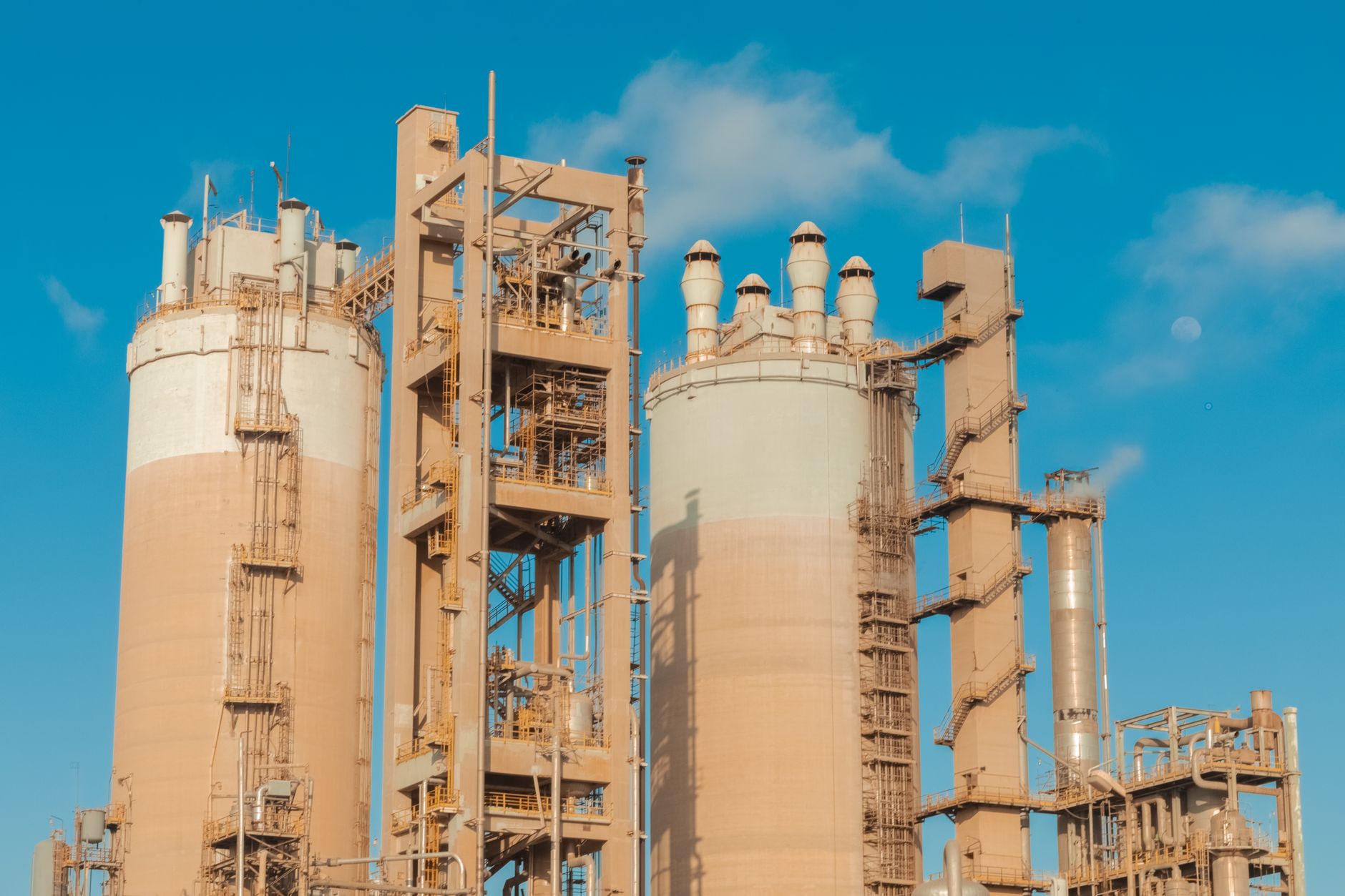
Punitive damages may be available when a plant explosion came from intentional harm or wanton and willful misconduct. They may also be available for gross negligence that shows reckless disregard for safety.
Punitive damages are extra awards above actual losses to punish harmful conduct and deter repetition, says the Cornell Law School Legal Information Institute in its punitive damages definition. Nearby residents can pursue them when blast force, fire, heat, debris, or a chemical plume reaches homes. Ordinary carelessness alone does not qualify.
Table of Contents
- What must injured neighbors prove?
- What evidence supports a punitive claim?
- Do caps and constitutional limits apply?
- What should injured neighbors do next?
- Frequently Asked Questions
What must injured neighbors prove?
Residents must prove more than a mistake or missed inspection. The key question is the operator's state of mind and departure from safe practice. Gross negligence sits between intent to harm and ordinary negligence, says the Cornell Law School Legal Information Institute in its gross negligence explainer. It means reckless disregard for others' safety and an extreme departure from ordinary care. Intentional acts and willful misconduct present a stronger case.
In Texas, a major chemical-plant state, plaintiffs must prove by clear and convincing evidence that harm came from fraud, malice, or gross negligence before punishment damages reach a jury, as summarized by Dax F. Garza P.C. in its summary of Texas exemplary damages law. Clear and convincing is a higher bar than more likely than not. Other states use similar fault thresholds.
What evidence supports a punitive claim?
Paper warnings, prior leaks, failed alarms, and ignored repairs matter. Evidence that a company knew of a hazard and kept operating points toward punishment. The U.S. Environmental Protection Agency's 2025 Valero Wilmington settlement involved Risk Management Program violations that underestimated offsite harm to homes, schools, and businesses. That type of undercounting helps show knowledge of neighborhood risk.
Internal emails, audit findings, and repeat violations help more. Federal investigators often tie major releases to preventable safety failures. The U.S. Chemical Safety and Hazard Investigation Board found metal debris punctured a rupture disc, causing explosion, fire, and toxic ethylene oxide release at Dow's Plaquemine plant. A preventable trigger does not alone prove malice. It can support gross negligence when paired with proof the risk was known.
Do caps and constitutional limits apply?
Yes. Punitive awards face state caps and federal due-process review. The amount depends on state law and the facts of the harm. That same Texas regime described by Dax F. Garza P.C. caps exemplary damages at the greater of $200,000 or twice economic damages plus non-economic damages up to $750,000, and requires a unanimous jury finding.
Many states impose other caps, ratios, or approval steps. Local law controls the ceiling. The U.S. Supreme Court, as reported by Justia, reviews excessive awards using reprehensibility of conduct, ratio to actual harm, and comparison to authorized civil or criminal penalties. Highly reprehensible conduct with physical injury gets closer review. A large ratio to modest actual damages faces greater risk.
What should injured neighbors do next?
Act quickly to protect health and preserve proof. Nearby residents are recognized victims when plumes or blast effects reach neighborhoods, shown by more than 30 lawsuits after a 2026 California chemical-tank overheating forced about 50,000 Orange County residents to evacuate, according to the Associated Press via KSAT in its report on the California tank lawsuits.
Do not sign a broad release for a small quick payment before symptoms are clear. Bring all documents to the first legal consultation.
- Get medical care and keep discharge papers, prescriptions, and test results.
- Save evacuation orders, shelter alerts, photos, video, and damaged items.
- Write down symptoms, odors, noise, distance from the plant, and time indoors or outdoors.
- Keep receipts for lodging, travel, cleanup, missed work, and repairs.
- Contact a personal injury lawyer in the plant's state about fault standards and deadlines.
Frequently Asked Questions
Can renters and children claim punitive damages, or only homeowners?
Anyone physically injured or directly harmed by the blast or plume can seek them. Property ownership is not the test.
Does an evacuation without injury support punitive damages?
Evacuation costs are usually actual losses. Punitive damages still need proof of fraud, malice, intent, or gross negligence.