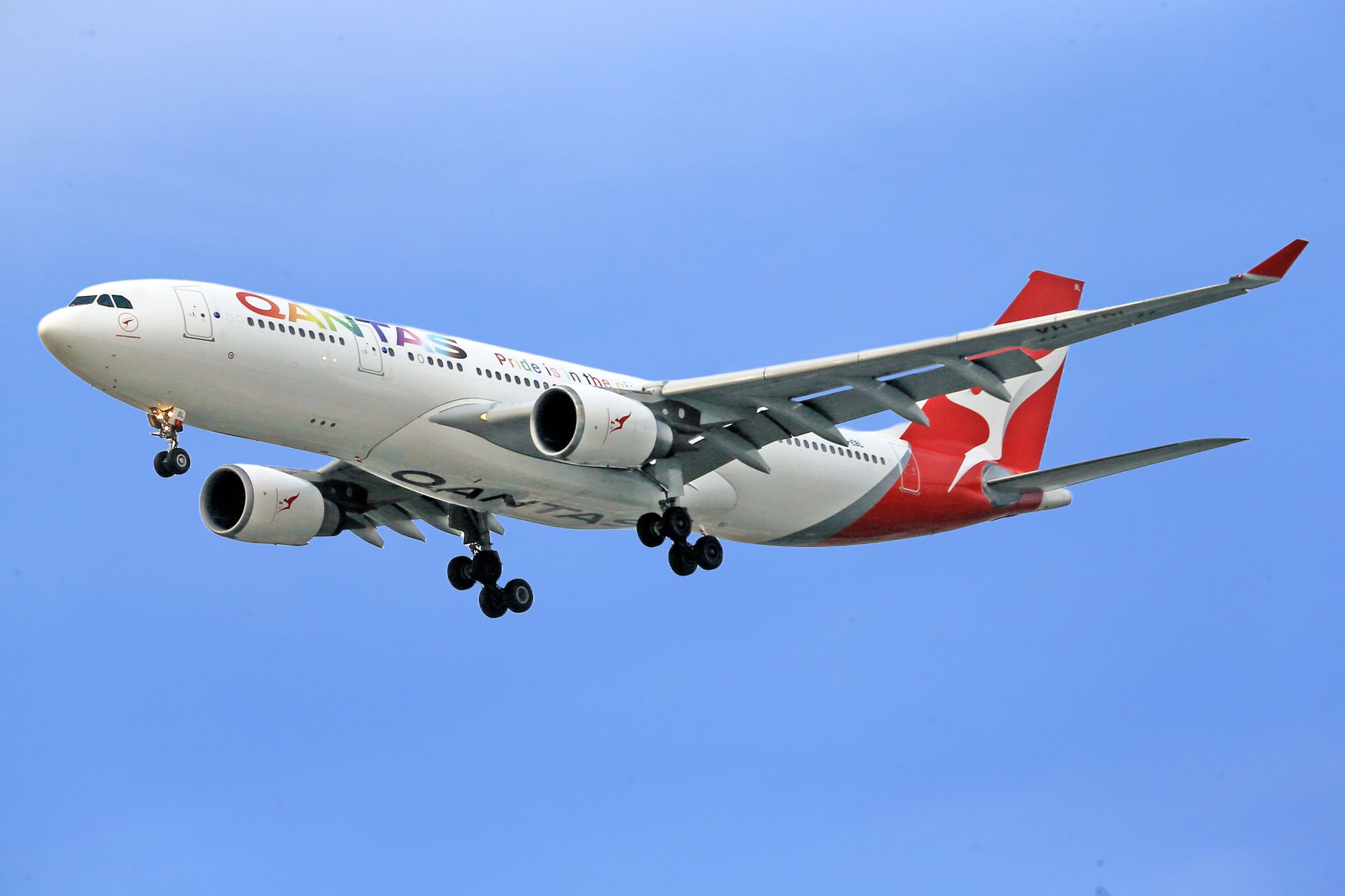
Qantas Airways has agreed to pay $105 million AUD to settle a class action lawsuit affecting over 1 million passengers who had flights cancelled between January 2020 and November 2022. The settlement was reached on 13 March 2026 and now awaits court approval on 13 October 2026. Eligible passengers stand to receive minimum payouts of $50, with some customers receiving significantly higher amounts depending on the circumstances of their cancelled flights. The lawsuit stems from a period when Qantas cancelled numerous domestic and international flights, leaving passengers with flight credits rather than refunds.
For many travellers, these credits expired or became unusable, representing a substantial financial loss. The class action, which was commenced by Echo Law in 2023, targets one of Australia’s largest airlines during a period of significant operational disruption. This settlement marks a significant moment in Australian consumer law, as it represents the airline’s response to widespread customer grievances—though notably, Qantas has agreed to the settlement without admitting liability. Passengers who fall within the class period will soon receive notifications via email and text message about their eligibility and expected payout amounts.
Table of Contents
- WHO IS ELIGIBLE FOR THE $105 MILLION QANTAS SETTLEMENT?
- WHAT WERE THE ORIGINAL CLAIMS IN THE CLASS ACTION?
- HOW DOES THE CLASS ACTION PROCESS WORK IN THIS CASE?
- WHAT IS THE PAYOUT PROCESS FOR AFFECTED PASSENGERS?
- WHAT FACTORS DETERMINE THE FINAL PAYOUT AMOUNT EACH PASSENGER RECEIVES?
- WHAT LEGAL IMPLICATIONS DOES THIS SETTLEMENT HAVE FOR AUSTRALIA’S AIRLINE INDUSTRY?
- HOW SHOULD PASSENGERS PREPARE FOR THE SETTLEMENT NOTIFICATION?
WHO IS ELIGIBLE FOR THE $105 MILLION QANTAS SETTLEMENT?
The settlement covers passengers whose domestic or international Qantas flights were scheduled to depart between 1 January 2020 and 1 November 2022 and were cancelled by the airline. This three-year window captures a substantial period of operational disruption, encompassing many of the pandemic-affected cancellations as well as operational issues that occurred before and after lockdowns. All customers within this period who had cancelled flights are expected to receive compensation, with a guaranteed minimum payout of $50 per eligible passenger. The actual amount received may vary based on factors including the specific flight, the airline’s response to the cancellation, and the individual’s circumstances at the time.
Over one million Qantas customers fall into this category, making this one of Australia’s largest class action settlements in the aviation sector. Importantly, the airline will contact eligible customers directly through email and text message notifications. These communications will outline the specific compensation amount each customer is entitled to receive and provide instructions for claiming their payout. Customers should be cautious of any unsolicited contact claiming to represent Qantas or the settlement, as official notification will come through verified channels.
WHAT WERE THE ORIGINAL CLAIMS IN THE CLASS ACTION?
The core complaint in the Echo Law class action centred on Qantas’s handling of flight cancellations during the 2020-2022 period. When flights were cancelled, the airline issued travel credits rather than offering immediate cash refunds to passengers. For many travellers, particularly those unable to reschedule their trips quickly, these credits proved difficult to use before expiration dates, effectively leaving them with no compensation for their cancelled bookings. This approach created a significant dispute about consumer rights and fair trading practices under Australian law.
While the airline argued that flight credits represented valid compensation, many passengers contended that credits without reasonable flexibility in use constituted an unfair loss—particularly for those who could not book replacement flights within the credit validity period. The lawsuit argued that Qantas’s credit-only policy disadvantaged consumers and did not properly address the financial harm of cancelled flights. A critical limitation of the settlement is that it does not establish Qantas’s liability or wrongdoing. The airline has reached this settlement agreement without admitting liability, which means the settlement should not be interpreted as a court finding against Qantas or a determination that its policies violated consumer law. This is a common negotiation outcome in class actions, where defendants settle to avoid litigation costs and reputational damage without conceding legal fault.
HOW DOES THE CLASS ACTION PROCESS WORK IN THIS CASE?
Echo Law initiated the class action in 2023, allowing it to aggregate claims from multiple affected passengers into a single legal proceeding. This approach is significantly more efficient than having 1 million individual passengers pursue separate lawsuits against Qantas. Class actions in Australia are governed by the Federal Court of Australia, which oversees settlements of this scale and complexity. The settlement reached in March 2026 is not yet final—it requires court approval at a hearing scheduled for 13 October 2026.
At this hearing, a judge will assess whether the settlement is fair, reasonable, and in the interests of the class members. This approval process protects passengers by ensuring that a court independently reviews the settlement terms before they become binding. During this period, class members will be notified and given an opportunity to object to the settlement or opt out if they choose to pursue their claims independently, though this is rare given the guaranteed minimum payout. The role of Echo Law in facilitating this settlement has been significant, as the legal firm bears substantial costs in pursuing such litigation and negotiating settlements on behalf of all class members. Law firms typically work on a contingency basis, meaning their fees are usually paid from the settlement amount rather than directly by passengers, making class actions accessible to consumers who might not otherwise afford individual legal action.
WHAT IS THE PAYOUT PROCESS FOR AFFECTED PASSENGERS?
Passengers can expect to receive official notification about the settlement outcome once the court approves it in October 2026. Qantas will contact eligible customers via email and SMS with details of their compensation amount, claim instructions, and deadlines. The notification process will be critical—passengers should provide current contact information to Qantas to ensure they receive their notification and don’t miss claim deadlines. The minimum payout of $50 per passenger represents a guaranteed floor, but actual payouts for some customers are expected to be significantly higher depending on the nature of their cancelled flight and the circumstances involved.
Passengers with international flights or multiple cancellations may receive substantially more compensation than this minimum. Once notified, customers will have a defined period to claim their compensation, and it is essential to meet these deadlines, as claims submitted after the cutoff period may not be processed. One important consideration is that receiving a payout from this settlement will be substantially easier and faster than pursuing individual legal action, which could take years. For most affected passengers, waiting to receive the settlement payment will be far more practical than attempting to dispute Qantas’s original cancellation decisions through small claims courts or independent legal proceedings.
WHAT FACTORS DETERMINE THE FINAL PAYOUT AMOUNT EACH PASSENGER RECEIVES?
While the settlement establishes a $50 minimum, the final compensation structure will be detailed in court documents and settlement materials. Passengers with multiple cancelled flights during the settlement period may be entitled to compensation for each cancelled booking. The type of flight cancelled—domestic versus international—and the ticket price at the time of booking may also influence final payout amounts, as these factors relate to the actual financial impact experienced by each passenger. Qantas’s original response to each cancellation can also affect compensation levels.
Passengers who were offered alternative flights immediately versus those given only credit vouchers, or those who incurred out-of-pocket costs due to the cancellations, may fall into different compensation categories. The settlement agreement will specify how these variations are calculated to ensure fairness across all 1 million affected passengers. A significant limitation is that the settlement cap of $105 million total means the average payout across all passengers will remain relatively modest for most claims, with the guaranteed minimum of $50 reflecting this constraint. While this represents meaningful compensation for affected passengers and a notable outcome for the class action, it also means that passengers with particularly severe financial impacts from cancelled flights may feel their losses are not fully compensated. This is a common reality in large class settlements where the total damages across the entire class can exceed what’s practicable to award.
WHAT LEGAL IMPLICATIONS DOES THIS SETTLEMENT HAVE FOR AUSTRALIA’S AIRLINE INDUSTRY?
This settlement serves as a significant benchmark for airline passenger rights in Australia. While Qantas has not admitted liability, the mere fact that it has agreed to pay $105 million to settle claims about flight credit policies signals that airlines may face liability exposure for how they handle cancellations in future.
Other carriers operating in Australia will likely review their own cancellation and credit policies in light of this outcome. The settlement does not establish a binding legal precedent, as it is not a court judgment, but it does demonstrate that class actions can successfully challenge airline practices around flight credits and compensation. Passengers on other airlines who face similar issues with expired credits or unfair cancellation policies may be encouraged to pursue their own claims, knowing that a major airline has found settlement preferable to ongoing litigation.
HOW SHOULD PASSENGERS PREPARE FOR THE SETTLEMENT NOTIFICATION?
Passengers should ensure their contact details are current in Qantas’s systems to receive the settlement notification. If a customer has moved house, changed phone numbers, or switched email addresses since their cancelled flight, they should update their Qantas account information before October 2026 to avoid missing notification and claim deadlines. Checking spam folders for settlement emails will be important, as formal legal communications sometimes end up filtered.
When the notification arrives, passengers should carefully review the compensation amount calculated for their specific case and follow all instructions provided. If a passenger believes their payout is incorrect—such as if they had multiple cancelled flights that weren’t all captured—the notification materials should outline a process for disputing the amount. Responding within any specified deadlines is critical, as late claims may not be processed once the claim window closes.
- —