
A class action settlement is a legal resolution where a group of people (the “class”) collectively sues a defendant and reaches an agreed-upon monetary or non-monetary resolution with court approval. Rather than each person suing individually, they combine their claims into one lawsuit, which is more efficient and often more effective at recovering damages. The settlement process is tightly regulated by federal courts and requires multiple stages of approval before any money reaches class members—including preliminary approval, notice to all affected parties, and a fairness hearing where a judge ensures the settlement treats the class fairly.
This article explains how settlements work from start to finish, including how money gets divided, what rights class members have, and what you should know if you’re eligible for a class action award. When a class action settlement is reached, the defendant typically doesn’t admit guilt, but agrees to pay a negotiated amount to resolve the claims. For example, a settlement might allocate $50 million to compensate people harmed by a defective product, data breach, or wage violation. The settlement must be approved by a federal judge before claims can be filed, and class members receive notice detailing exactly what they’re entitled to, when they must file their claim, and any deadlines they need to meet.
Table of Contents
- What Does Court Approval Mean for Class Action Settlements?
- How Is Settlement Money Actually Divided Among Class Members?
- What Is the Court Approval Process and Why Does It Matter?
- How Do You Actually File a Claim and What Should You Know?
- What Rights Do Class Members Have During the Settlement Process?
- What Do the Latest Settlement Numbers Tell Us About Class Actions?
- The Future of Class Action Settlements and What It Means
- Conclusion
What Does Court Approval Mean for Class Action Settlements?
Court approval is the backbone of the entire class action settlement process. Under Federal Rules of Civil Procedure Rule 23, any settlement of a certified class action must receive explicit court approval before it becomes enforceable. This isn’t a rubber-stamp process—the judge must scrutinize the settlement to ensure it genuinely protects the interests of class members, not just the attorneys or lead plaintiffs. The preliminary approval phase comes first, when the parties (the plaintiff’s attorney, defendant’s lawyer, and sometimes the settlement administrator) ask the court to tentatively approve the proposed settlement and authorize notice to all class members. During preliminary approval, the settlement agreement and a proposed notice must be filed together with the court. The Northern District of california and other federal courts have published detailed procedural guidelines for this stage, requiring parties to demonstrate that the settlement is not the product of collusion, is adequately funded, and falls within a reasonable range compared to similar settlements.
If the judge grants preliminary approval, the case moves forward to the fairness hearing stage. However, if a judge has concerns—perhaps the settlement seems too favorable to lawyers or inadequate for the class—the judge can request modifications or even deny approval and send the parties back to negotiate. The fairness hearing, also called the “final approval hearing,” is where class members get their chance to be heard. Before this hearing, the settlement administrator sends detailed notices to all known class members explaining the settlement terms, how to file claims, important deadlines, and their rights to opt out or object. At the fairness hearing, the judge conducts a thorough inquiry into whether the settlement is fundamentally fair, reasonable, and adequate. Any class member can file written objections or appear in person to voice concerns. Only after the judge finds the settlement fair does it receive final approval, and the settlement fund is distributed.

How Is Settlement Money Actually Divided Among Class Members?
Settlement money is not divided evenly. This is a critical point that surprises many people: some class members receive larger payouts while others receive smaller amounts, depending on their level of participation, the nature of their injury, or how much they were harmed. For instance, in a wage theft settlement, an employee who was underpaid for two years might receive more than someone underpaid for three months. In a data breach settlement, a person whose Social Security number was exposed might receive a higher award than someone whose email address was compromised. The defendant and plaintiff’s attorneys work together to calculate an allocation formula that’s baked into the settlement agreement, and the judge must approve this formula to ensure fairness. The standard allocation order works like this: lead plaintiffs (the individuals whose names appear on the lawsuit) typically receive their settlement amount first, recognizing the burden and risk they took on by being the named party. Next, attorney fees and litigation costs are paid out—these are usually contingency-based, meaning the lawyers only get paid if the settlement succeeds, but the fees can range from 15% to 33% of the total settlement depending on the agreement and court approval.
After these are deducted, the remaining fund is distributed to class members according to the allocation formula. The administrator then sends claim forms to all class members, reviews submitted claims, and mails checks (or distributes payments via other means) to eligible recipients. Here’s an important safeguard: filing a claim is always completely free. Class members never pay a filing fee, administrative cost, or any other charge to submit their claim or receive their settlement award. If someone tells you there’s a fee to claim a settlement, that’s a red flag for fraud. The defendant’s insurance or the defendant themselves funds the entire settlement, which covers the award amount, the claims administrator’s costs, and the attorneys’ fees. Class members bear no out-of-pocket expense to participate, making the process accessible even to people who can’t afford legal representation.
What Is the Court Approval Process and Why Does It Matter?
The court approval process exists to prevent unfair settlements and protect the class from bad deals made behind closed doors. The entire settlement framework is designed around Federal Rules of Civil Procedure Rule 23, which explicitly requires court approval for any settlement touching certified class claims. Here’s why this matters: without judicial oversight, defendants and plaintiff attorneys could hypothetically agree to a settlement that’s too small, too favorable to lawyers, or structured in a way that excludes deserving class members. The judge acts as a neutral arbiter to ensure the settlement genuinely compensates the harmed class members. The preliminary approval motion is the first checkpoint. At this stage, the parties present the settlement agreement and a proposed class notice to the court. The judge reviews the agreement’s terms, the settlement amount relative to the potential liability, the percentage going to attorneys versus the class, and the claims process. If the settlement passes initial scrutiny, the judge issues an order granting preliminary approval, which also directs the settlement administrator to send notice to all class members.
The notice must include the settlement terms, deadlines for filing claims, information about how to opt out or object, and the date of the fairness hearing. This notice period typically lasts 60 to 90 days, giving class members time to review the settlement and decide whether to participate. The fairness hearing is the final checkpoint. Before this hearing, any class member can file a written objection or opt out completely. Opting out means you‘re no longer bound by the settlement and you can pursue your claim individually—though in practice, this is rare because individual litigation is expensive and uncertain. At the fairness hearing itself, the judge listens to arguments from the plaintiff’s attorney, the defendant’s attorney, any class members who appear, and any objectors. The judge then makes a decision: approve the settlement, require modifications, or deny it and send parties back to negotiate. Once final approval is granted, the settlement becomes binding on all class members who did not opt out.
How Do You Actually File a Claim and What Should You Know?
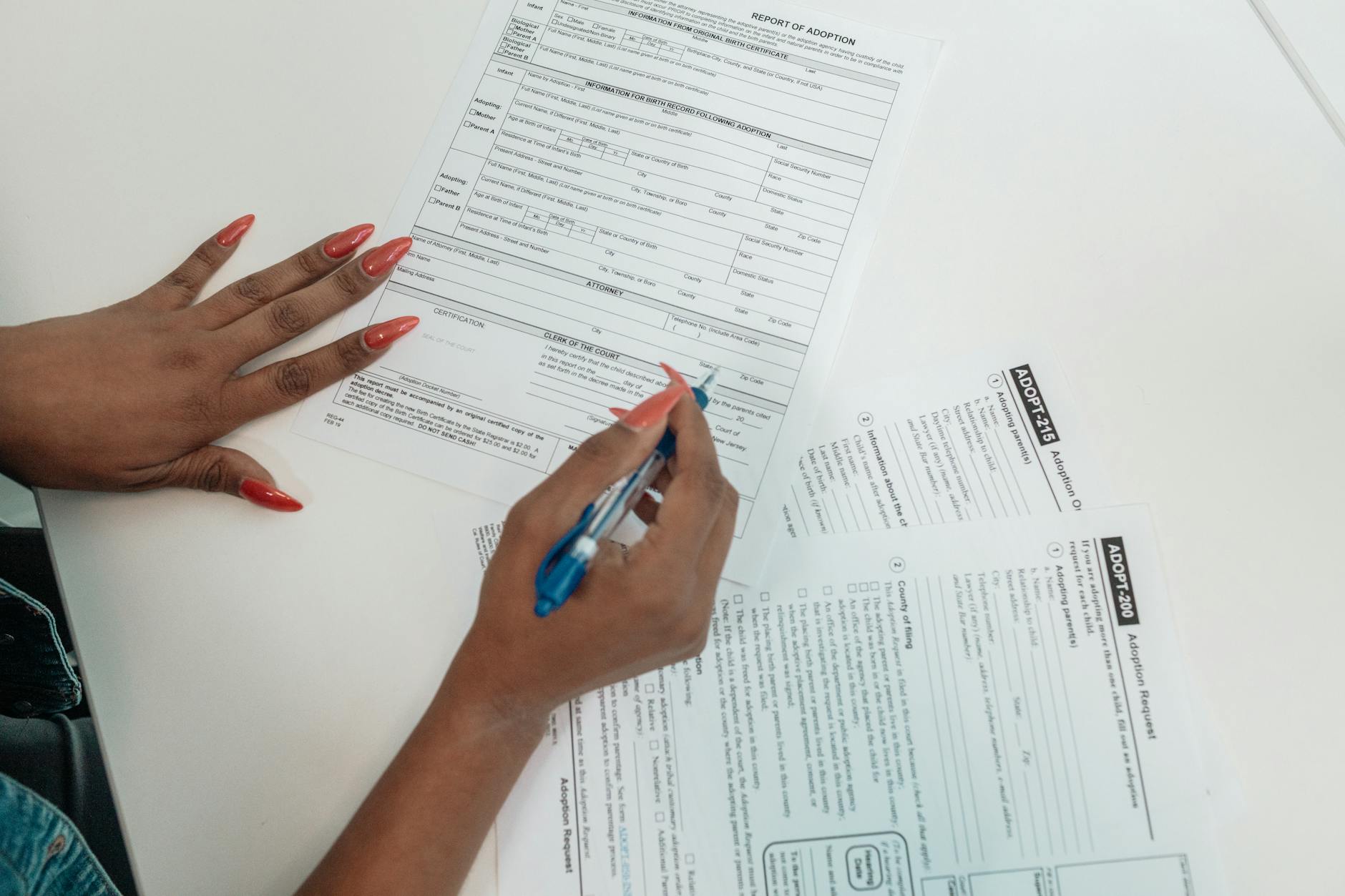
If you’re eligible for a class action settlement, the claims process is straightforward, though the specific requirements depend on the settlement. Once the court grants preliminary approval, the settlement administrator sends a detailed claims notice to all class members in the certified class. This notice includes the claim form, deadline for submission (called the “claim deadline”), and instructions on how to submit—either online, by mail, or sometimes by phone. Most modern settlements allow online claims, which is faster and easier than paper forms. The claim deadline is strictly enforced, so missing it typically means forfeiting your right to the settlement award. When you file your claim, you’ll need to provide proof of your status in the class. For example, in a wage theft settlement, you might need to provide pay stubs or employment documents. In a data breach settlement, you might need to verify your exposure by providing an account number or email address.
In a product defect case, you might need a receipt showing you purchased the product. The claims administrator reviews all submissions to determine eligibility. If they approve your claim, you’ll receive a settlement payment—usually by check or sometimes by bank transfer. If they deny your claim, you can typically file an appeal with the claims administrator. A comparison: class action settlements are very different from small claims court or individual lawsuits. In small claims court, you represent yourself, pay a filing fee, and go before a judge who decides whether you win or lose. In a class action, you don’t appear in court, you don’t pay anything, and the attorneys and judge do the heavy lifting of negotiating and proving the case. This makes class actions ideal for small individual harms that would be impractical to pursue alone. However, the tradeoff is that you have less control over the settlement amount and terms—those decisions are made by the attorneys and judges on your behalf.
What Rights Do Class Members Have During the Settlement Process?
Class members have three key rights throughout a settlement: the right to be notified, the right to opt out, and the right to object. The notification right is fundamental—federal courts mandate that the settlement administrator notify all class members about the settlement, the terms, the claim deadline, and the fairness hearing date. You can’t waive your participation unknowingly; you must receive proper notice and have an opportunity to make an informed decision about whether to participate. The opt-out right gives class members an exit: if you don’t like the settlement, you can opt out before the court-ordered deadline (typically during the notice period) by sending written notice to the settlement administrator. Once you opt out, you’re no longer part of the settlement, so you won’t receive any award from it—but you also remain free to pursue your own lawsuit against the defendant. In practice, opt-outs are rare because individual litigation is risky and expensive; most people’s damages are too small to justify hiring an attorney on an individual basis.
However, if you have significant damages or believe the settlement is grossly inadequate, opting out and settling or litigating separately may make sense. The objection right allows you to challenge the settlement without opting out. Any class member may file written objections to the settlement proposal and can request to appear at the fairness hearing. Common objections might argue that the settlement amount is too low, the attorneys’ fees are excessive, or the allocation formula unfairly disadvantages certain subgroups. The judge must consider these objections before deciding whether to approve the settlement. Importantly, serial objectors and objectors with a financial interest in derailing a settlement (such as lawyers who want to recruit class members for individual litigation) are sometimes scrutinized by judges, but legitimate class member objections are always heard.

What Do the Latest Settlement Numbers Tell Us About Class Actions?
The scale of class action settlements has reached historic levels. In 2025, U.S. class action settlements hit a combined record of $79 billion, demonstrating that class actions are now the primary mechanism through which corporations pay for widespread harms. Between late 2022 and mid-2025, corporations faced 37 settlements of $1 billion or more each—the most extensive wave of mega-settlements in U.S. history. These aren’t outliers; they reflect a fundamental reality that many business practices expose millions of people to identical injuries, and class actions are the efficient way to compensate all of them at once.
The sheer volume of filings reinforces this trend. Plaintiffs filed over 13,000 class action lawsuits in federal courts in 2025 alone, averaging more than 36 new filings per day. Data privacy class actions have surged particularly dramatically, with over 1,800 filed in 2025—representing 25% growth over 2024 and 200% growth since 2022. This explosion is driven by high-profile data breaches and evolving privacy regulations. The certification success rate is also high: judges granted certification for more than 68% of all class certification motions decided in 2025, indicating that courts believe class treatment is appropriate for the vast majority of proposed class actions. Additionally, securities class action settlements hit a 29-year high median in 2026, showing that even sophisticated institutional investors are turning to class actions to recover losses.
The Future of Class Action Settlements and What It Means
The trajectory of class action settlements shows no signs of slowing. With over 13,000 new filings annually and $79 billion in settlement value, class actions have become the dominant way corporations compensate for systematic harms. The particular surge in data privacy class actions—1,800 in 2025 alone—reflects a shifting landscape where information privacy is recognized as a serious injury.
As cybersecurity threats increase and privacy regulations tighten, expect more data breach settlements to follow. For individuals harmed by defective products, wage theft, discrimination, data breaches, or securities fraud, class actions offer a viable path to recovery without the cost and burden of individual litigation. As settlements continue to grow in frequency and value, the efficiency of the class action mechanism becomes clearer: thousands or millions of people get compensated fairly through a single coordinated process, rather than each person having to find and hire an attorney.
Conclusion
Class action settlements are structured legal processes where groups of harmed people combine their claims and recover compensation through court-approved agreements. The process requires preliminary approval, notification to all class members, a fairness hearing, and final court approval before money is distributed. Settlement amounts are allocated based on the degree of harm, with lead plaintiffs receiving their portion first, followed by attorney fees and litigation costs, and finally the remaining fund going to eligible class members according to the settlement’s allocation formula.
If you believe you’re eligible for a class action settlement, the best step is to watch for official settlement notices, review the claim requirements carefully, and submit your claim before the deadline. Remember that filing is always free, and claims administrators typically provide multiple submission methods (online, mail, or phone). Understanding how settlements work—including your rights to opt out and object—ensures you can make an informed decision about whether to participate.