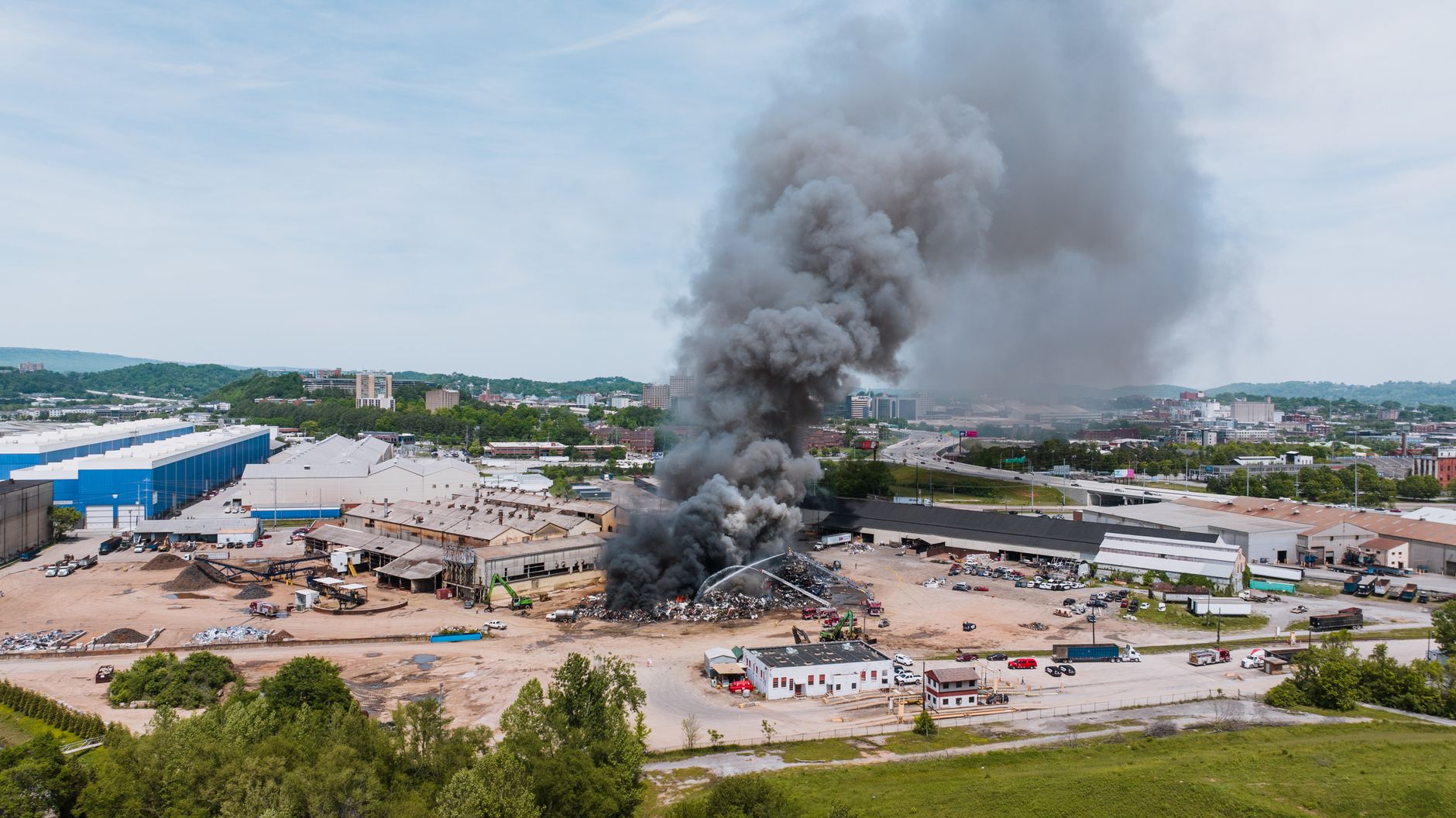
Punitive damages may be available after a warehouse fire releasing toxic smoke when the operator acted with willful, wanton, or conscious disregard for residents. Punitive damages are added money, beyond medical bills and lost income, meant to punish extreme misconduct and deter similar conduct. Simple or gross negligence alone does not qualify. The key question is what the operator knew, ignored, or kept doing before the smoke spread.
Table of Contents
- What conduct can trigger punitive damages?
- What did the Carson warehouse case show?
- How do caps and due process limit awards?
- What should exposed residents save and ask?
What conduct can trigger punitive damages?
Courts reserve punitive damages for misconduct that goes beyond carelessness. The Florida Supreme Court explains that awards punish offenders and deter similar conduct only when behavior rises to wanton, willful, or conscious disregard for others, as described in the Florida punishment standard. New Jersey uses a similar line with a high burden of proof. According to the Brandon J.
Broderick law firm, a plaintiff must prove by clear and convincing evidence that harm came from actual malice or wanton and willful disregard of foreseeable victims. That source states that any degree of negligence, including gross negligence, cannot meet the test. Clear and convincing evidence means proof that leaves the judge or jury with a firm belief. Actual malice means a deliberate intent to harm or awareness of likely harm. Wanton disregard means knowing of a serious danger and ignoring it.
What did the Carson warehouse case show?
Long-term unsafe storage, ignored warnings, and long-lasting exposure helped support punishment in one California case. According to Cotchett, Pitre & McCarthy, tenants piled hand sanitizer 10-15 feet high over about two acres outdoors for more than six summer months despite fire citations. The same report says the fire took 200 firefighters two days to control and sent chemicals into Dominguez Channel, creating sickening gas. On Feb.
6, 2026, a Los Angeles jury awarded 24 Carson residents $2.869 million in compensatory damages plus $6 million in punitive damages for months of hydrogen-sulfide exposure after the 2021 Prologis warehouse fire, as detailed in the Carson verdict report. Jurors found malicious stockpiling behind the prolonged release. The pattern matters more than the label. Repeated citations, large outdoor chemical piles, and months of fumes point toward conscious choice rather than a single mistake.
How do caps and due process limit awards?
Even strong liability proof does not produce open-ended punishment. According to the Brandon J. Broderick law firm, New Jersey generally caps punitive damages at five times compensatory liability or $350,000, whichever is greater. Other states use their own caps or review rules, so local law controls the ceiling. Federal due process adds another check. The Cornell Legal Information Institute, summarizing BMW v.
Gore, lists three guideposts for excessiveness: reprehensibility of conduct, ratio of punitive to compensatory harm, and comparison to civil penalties for similar misconduct, explained in the BMW v. Gore guideposts. Courts weigh how bad the behavior was, how the punishment compares to the injury, and how the state normally fines similar acts. A very high multiple is hard to defend. The Cornell Legal Information Institute, summarizing State Farm v. Campbell, states that few awards exceeding a single-digit ratio to compensatory damages will satisfy due process. Residents should view a large punitive request as vulnerable unless the harm and reprehensibility are unusually strong.
What should exposed residents save and ask?
Exposure cases turn on place, time, and proof of notice. The April 11-16, 2023 My Way Trading plastics-warehouse fire in Richmond, Indiana forced about 2,000 residents within one-half mile to evacuate, according to an NIH/PMC Journal of Exposure Science article from 2024.
The same article says EPA monitors detected benzene, hydrogen cyanide, chlorine, carbon monoxide, and particulates. Those details show the records that matter after any warehouse-smoke event: Bring that file for an early case review in the correct state. Ask what fault standard applies, what proof of knowledge exists, what cap controls, and whether the punitive-to-compensatory ratio looks defensible.
- evacuation order, shelter notice, address, and dates away from home
- medical visits, prescriptions, missed work, and daily symptoms
- photos, air alerts, school closures, and official monitoring results
- any prior complaints, citations, permits, or reports about the warehouse