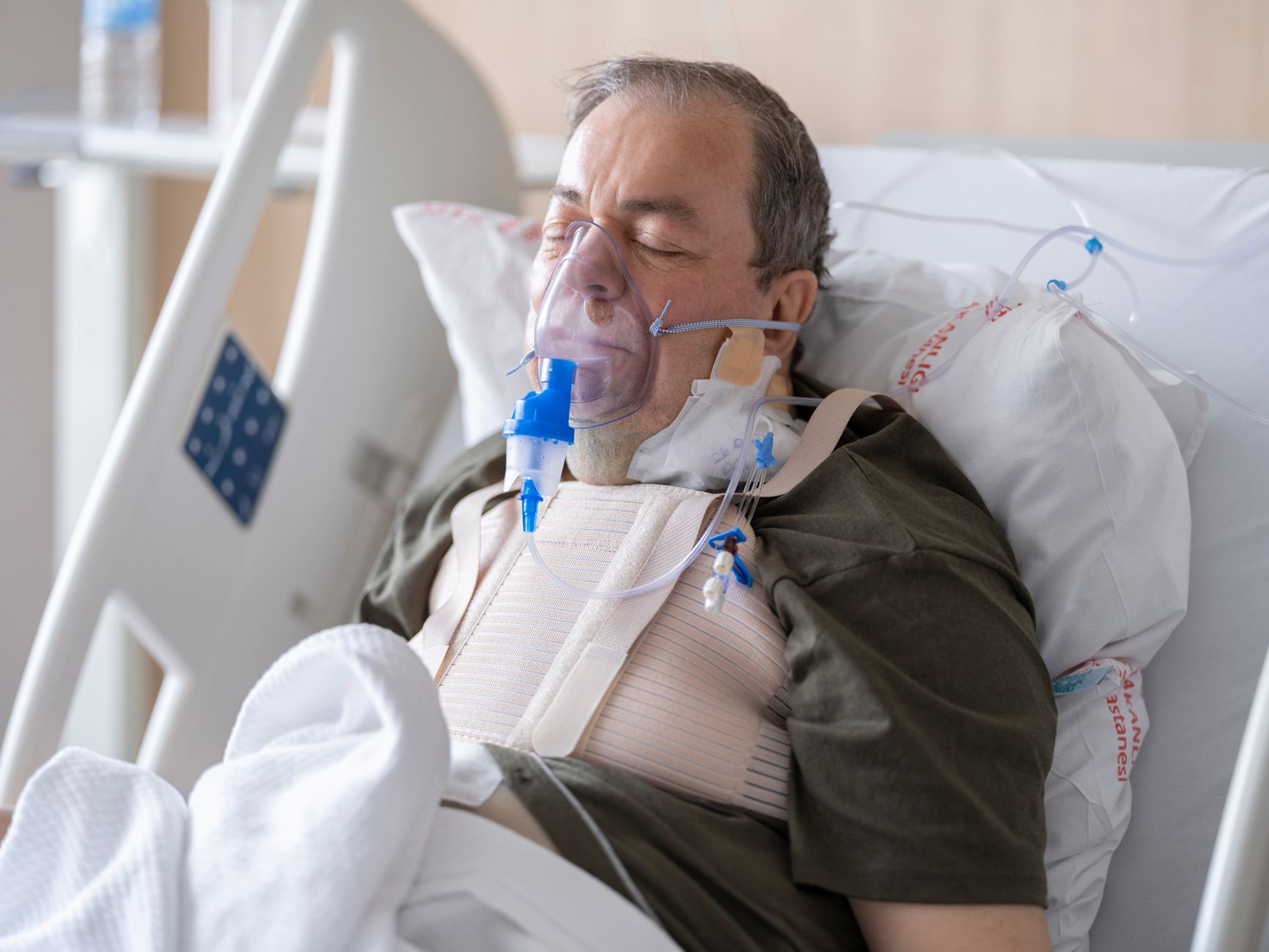
Lawyers valuing a Philips CPAP respiratory injury claim today are mostly not negotiating at all — they are checking whether the injury fits a fixed list and then letting a points formula compute the number. Trial risk sits on the other side of that choice: the federal litigation has produced no general-causation ruling and no bellwether verdict, so a claimant who walks away from the settlement is betting on a case whose core scientific question is still unanswered. That gap between a computed offer and an unpriced trial is the whole evaluation. Understanding it means knowing what the recall actually alleged, which diagnoses the settlement recognizes, how the award is calculated, and what the historical odds look like for product liability plaintiffs who go to verdict.
Official resources:
- Read the official notice from FDA — Use this primary source to verify the official announcement.
- Read the original report from FDA — Use this primary source to review the complete report.
Table of Contents
- What the recall alleged, and why the injury list is narrow
- Which diagnoses qualify — the first filter
- How the award is computed rather than negotiated
- Why the aggregate cap and the 95% clause shape your lawyer's advice
- The trial alternative, and what the odds have historically looked like
- Practical steps before you accept or decline
- Frequently Asked Questions
What the recall alleged, and why the injury list is narrow
On June 14, 2021, Philips Respironics recalled CPAP, BiPAP and ventilator units because the polyester-based polyurethane (PE-PUR) foam used to quiet the machines could break down, shedding particles and releasing volatile organic compounds into the air the user breathed. The FDA classified it as a Class I recall — its most serious category, reserved for situations where use may cause serious injury or death — and roughly 15 million devices worldwide were affected, according to the FDA's recall page. The complaint volume was enormous. The FDA has reported more than 116,000 medical device reports since April 2021, including 561 reports of death "reportedly associated" with the foam problem, covering symptoms and conditions from cough, headache and dyspnea to pneumonia, infection, nodules and cancer, per the FDA's problem-reports tally.
Two facts explain why that number does not translate into 116,000 payable claims. The FDA states plainly that a medical device report is not evidence the device caused the outcome — reports are unverified and anyone can file one. And Philips has said it found no conclusive data linking the devices to the reported deaths, and admits no fault or liability in settling. A lawyer sizing a case starts from that friction, not from the headline count.
Which diagnoses qualify — the first filter
The Personal Injury Master Settlement Agreement recognizes a closed list of respiratory conditions, and a diagnosis outside it does not generate an offer no matter how sympathetic the facts. Per the official program FAQ, the qualifying injuries are: Three limits ride alongside the list. The diagnosis must date to on or before April 29, 2024. The claimant must be a U.S.
citizen or resident. And the claim needs proof of device use plus supporting medical records — the diagnosis has to exist on paper, from a treating provider, not in the claimant's recollection. Notice what is absent. Cancer appears throughout the FDA's complaint data but not on this list, and neither do the headache, dizziness and chest pain reports. "New-onset" is also doing real work: a claimant with asthma predating the machine is being asked to show a condition the device started, which is a records question long before it is a legal one.
- New-onset asthma
- Reactive airways dysfunction syndrome
- New-onset COPD
- Emphysema
- Bronchiectasis
How the award is computed rather than negotiated
This is the structural feature most readers misread. Settlement value here is not the product of a lawyer arguing a particular client's case to an adjuster. Allocation Special Master Matt Garretson wrote a Settlement Allocation Methodology dated July 23, 2024, and the claims administrator, BrownGreer PLC, applies that methodology to every claimant through a points system — with the rule that no offer is permitted to be zero, according to the program's court information and FAQ. Points respond to documented facts: the injury, the records, the period of device use.
A better-documented file scores higher; a more eloquent demand letter does not. The practical consequence is that the lawyer's leverage moves upstream, into assembling proof of purchase, registration, prescription history, device serial records and the pulmonary workup, because those are the inputs the formula actually reads. Above the formula sits an Extraordinary Injury Fund, which supplements awards for documented death, surgeries, certain permanent impairment, or claims that exceed the points cap. Reconsideration exists but is deliberately thin: it covers clerical errors, misapplied device-use dates, or records that were submitted and overlooked. New documents may not be added at that stage — which is the strongest argument for treating the initial submission as the only submission.
Why the aggregate cap and the 95% clause shape your lawyer's advice
The agreement, dated May 9, 2024, caps Philips' payment at $1.075 billion in aggregate — $1.050 billion into a Personal Injury Settlement Fund plus $25 million for notice and administration. It is an opt-in private program, not a court-approved class action, which means no judge certified a class and no one is bound by default; participation is a choice each claimant makes. Philips also reserved the right to terminate the settlement if fewer than 95% of eligible claimants with qualifying injuries participated, per its FY2024 annual report filed with the SEC. That threshold is the reason plaintiff firms push for near-universal client sign-up instead of cherry-picking strong cases to opt out.
A firm that holds back its best twenty files is not just risking those twenty — it is nudging a participation number that, if missed, can collapse the program for everyone. For a reader, that explains a dynamic that can otherwise feel like pressure. When a firm recommends enrolling, part of the reasoning is collective arithmetic, not an assessment that your individual case is weak. It is fair to ask your lawyer to separate the two: what the formula projects for your file, and what the participation structure contributes to the recommendation.
The trial alternative, and what the odds have historically looked like
Opting out means litigating, and that path remains genuinely unpriced. The consolidated federal litigation, MDL 3014 before Judge Joy Flowers Conti in the Western District of Pennsylvania, still listed about 1,036 pending actions as of the JPML's November 2, 2026 docket report. Her April 21, 2026 order set general-causation Rule 702 briefing — the fight over whether plaintiffs' expert evidence that the foam can cause these diseases is admissible at all — for August 27 through October 15, 2026. No general-causation ruling has issued and no bellwether case has reached a verdict. That sequencing matters more than any single case's facts.
If general causation fails, individual strength is irrelevant; if it survives, the bargaining landscape changes for everyone still litigating. A claimant opting out is choosing to wait for that ruling without knowing which way it goes, while the settlement's reconsideration window and deadlines move on their own schedule. Base rates give the downside some shape. Bureau of Justice Statistics data shows that in federal courts in 2002–03, product liability plaintiffs won 34% of trials with a median award of $350,000, and in the 75 largest state counties in 2005, non-asbestos product liability plaintiffs prevailed in only 20% of trials, per the BJS report on federal tort trials. Those figures are historical and not specific to this device, but they describe the category a CPAP claim would be tried in: most plaintiffs lose, and the typical win is measured in hundreds of thousands, before fees and years of delay.
Practical steps before you accept or decline
If you are weighing opting out, the question to put to your lawyer is narrow and answerable: what in my record would survive a general-causation ruling that has not yet been made, and am I prepared to wait for it. The settlement's Extraordinary Injury Fund is the only route to an above-formula payment inside the program; outside it, the 20% to 34% historical win rate is the number against which any larger hope has to be measured.
- Confirm the diagnosis and its date in writing. The condition must appear on the qualifying list and be diagnosed on or before April 29, 2024.
- Assemble device proof early: prescription, purchase or insurance records, device registration, serial number, and the dates you used the machine. Misapplied use dates are one of the few grounds for reconsideration, so get them right the first time.
- Pull the full pulmonary file, including any spirometry or pulmonary function testing showing new obstruction, and any pre-device respiratory history that bears on "new-onset."
- Ask your firm directly whether your file may qualify for the Extraordinary Injury Fund — death, surgery, permanent impairment, or an above-cap claim — and what documentation that requires.
- Ask what the methodology projects for your points total, and treat the first submission as final, because no new documents are accepted at reconsideration.
Frequently Asked Questions
Is the Philips CPAP personal injury settlement a class action?
No. The Personal Injury Master Settlement Agreement is an opt-in private program, not a court-approved class action, so no judge certified a class and participation is each claimant's own decision.
What happens if not enough claimants join?
Philips reserved the right to terminate the settlement if fewer than 95% of eligible claimants with qualifying injuries participate, which is why firms push for near-universal enrollment rather than selective opt-outs.
Can I submit more medical records if my offer seems low?
No. Reconsideration is limited to clerical errors, misapplied device-use dates, or records that were submitted but missed — no new documents may be added at that stage.
Does the FDA's count of 561 death reports prove the devices caused those deaths?
No. The FDA states that a medical device report is not evidence the device caused the outcome, and Philips says it has found no conclusive data linking the devices to the reported deaths.
You Might Also Like
- A Pacemaker Recall Affecting Dependent Patients: How Do Lawyers Evaluate Settlement Value and Trial Risk?
- A Hernia Mesh Implant Followed by Revision Surgery: How Do Lawyers Evaluate Settlement Value and Trial Risk?
- A Defibrillator Failing During a Cardiac Emergency: How Do Lawyers Evaluate Settlement Value and Trial Risk?