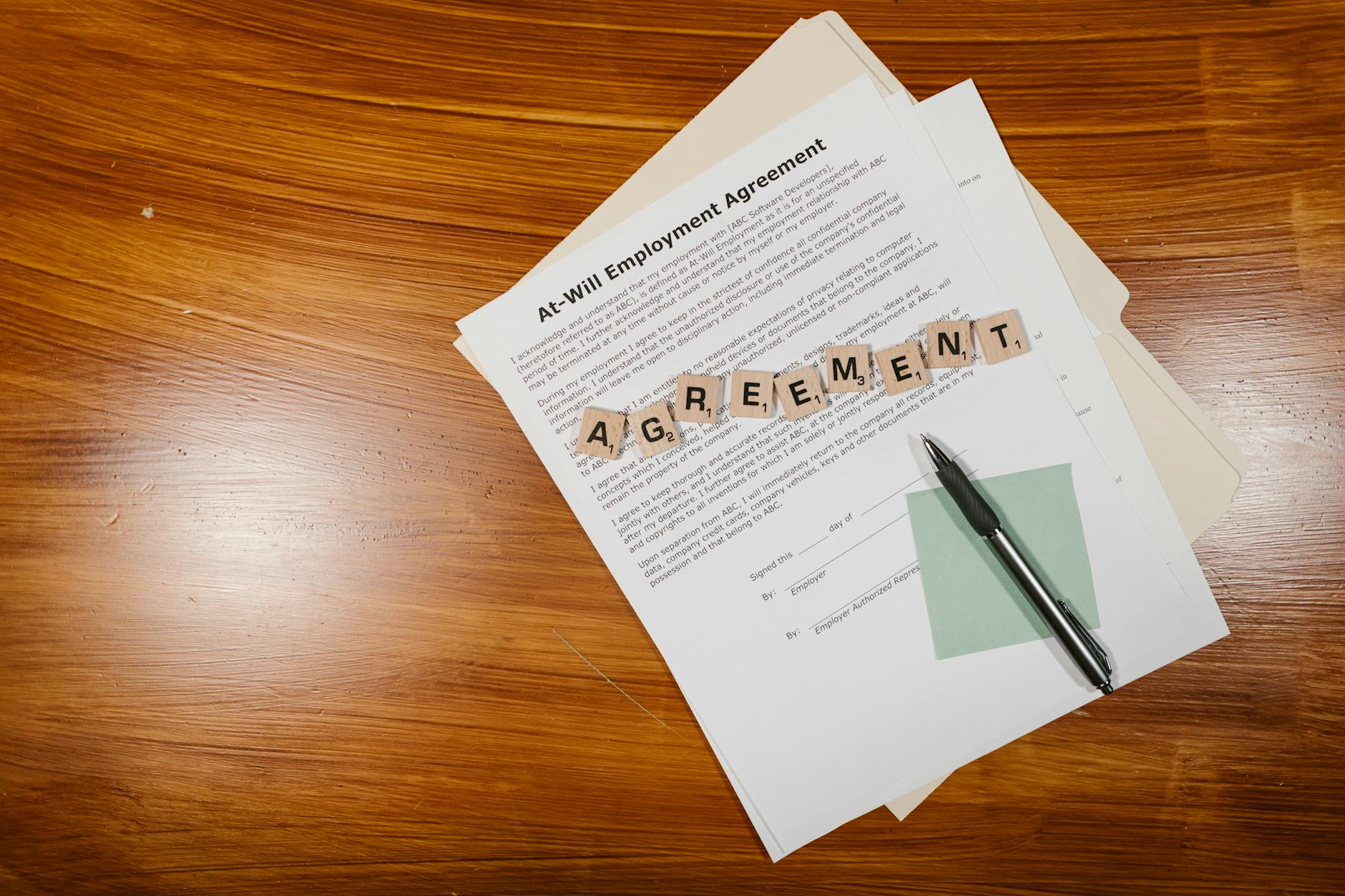
In most cases, you can expect to receive your settlement check between two to eight weeks after signing the release agreement with the defendant’s insurance company. The most common timeline falls between two and six weeks for straightforward personal injury cases where there are no complicating factors like federal liens or multiple liable parties. For example, a car accident settlement where you’ve recovered from your injuries and there are no medical liens might be processed and in your hands within three to four weeks from the moment you sign the settlement documents. However, the word “settlement” encompasses a wide range of scenarios—from simple two-party cases to complex claims involving Medicare liens, workers’ compensation subrogation, or multiple defendants.
The timeline between when you sign the release and when you actually have access to the funds can vary dramatically depending on these factors. Understanding where your settlement falls on this spectrum helps set realistic expectations and prevents the frustration that comes from assuming a check will arrive sooner than it realistically can. The settlement check itself is rarely the end of the waiting period. Once the insurance company issues the check, it must travel through the mail, clear your bank, and potentially wait in your attorney’s trust account before you receive your portion. Each of these steps adds time, and some of them can add considerably more than you might expect.
Table of Contents
- WHAT HAPPENS BETWEEN SIGNING AND THE CHECK BEING ISSUED
- MAIL DELIVERY AND CHECK ARRIVAL TIMES
- BANK CLEARING AND FUND AVAILABILITY
- THE IMPACT OF FEDERAL LIENS AND MEDICARE RECOVERY
- ATTORNEY TRUST ACCOUNTS AND DISBURSEMENT TIMING
- MULTI-PARTY SETTLEMENTS AND EXTENDED TIMELINES
- STEPS TO MONITOR AND POTENTIALLY ACCELERATE YOUR SETTLEMENT
- Conclusion
- Frequently Asked Questions
WHAT HAPPENS BETWEEN SIGNING AND THE CHECK BEING ISSUED
Once you sign the release agreement, the insurance company has a legal obligation to issue the settlement check. The typical timeline for this is 7 to 14 business days, though some companies may issue checks faster if there are no complications. This doesn’t mean the check arrives in seven to fourteen days—it means the insurance company generates and mails the check within that window. Many people confuse the issuance date with the delivery date, leading to false assumptions about when the money will appear in their accounts. The processing time at the insurance company can be affected by several factors.
If your case involved multiple liable parties, each insurance company may need to confirm its percentage of liability before cutting a check. If there were liens filed by Medicare, Medicaid, or other government entities, the insurance company often holds the check or portions of it until those liens are resolved. A straightforward case with a single insurer and no liens might see a check issued within a week, while a complex case could take the full 14 business days or longer. It’s important to note that the 7-14 business day timeframe assumes the insurance company has all necessary documentation and has accepted the settlement terms. If there are any outstanding questions, missing paperwork, or disputes about lien amounts, this timeline can be delayed significantly. Your attorney should be managing this communication and keeping you informed about any potential delays.

MAIL DELIVERY AND CHECK ARRIVAL TIMES
Once the insurance company issues your settlement check, it must be physically delivered. Standard mail delivery typically takes 3 to 7 days depending on the distance between the insurance company’s office and your address. Some insurance companies send settlement checks via priority mail or overnight courier, which can reduce this to 1 to 2 days, but this is less common unless the settlement agreement specifically required expedited delivery. The mailing phase is where many people encounter their first unexpected delay. A check mailed on a Friday might not arrive until the following week.
If your address on file with the insurance company or your attorney is incorrect, the check could be delayed further or returned to the sender. This is why it’s crucial to ensure all parties have your correct mailing address before settlement checks are issued. One limitation many claimants don’t anticipate: once the check arrives at your home, you still can’t access the funds immediately. The check must be deposited or cashed, and even then, your bank won’t make the full amount available right away. This is the bank clearing process, which adds another 5 to 10 business days before you have unrestricted access to the settlement funds.
BANK CLEARING AND FUND AVAILABILITY
When you deposit a settlement check into your bank account, the bank will typically place a hold on the funds. Unlike checks from your employer or routine payments, settlement checks are treated as unusual transactions, and banks use hold periods to protect themselves from fraud or insufficient funds. The clearing process for settlement checks usually takes 5 to 10 business days. During this holding period, the check amount may show as “pending” or “available” depending on your bank’s policies, but you won’t be able to withdraw the full amount in cash or transfer it to another account.
Some banks are more conservative and hold settlement funds for the full 10 business days, while others may clear it in 5 business days. The amount of the settlement can also affect the timeline—larger settlements may trigger longer holds due to fraud prevention measures. This clearing period is a critical distinction that many people overlook when calculating their total waiting time. If you’re counting from the day you sign the release, you need to add the insurance processing time, mail delivery time, and bank clearing time. A case that seems like it should be resolved in two weeks might actually take four weeks before you have full access to the funds.

THE IMPACT OF FEDERAL LIENS AND MEDICARE RECOVERY
If you received Medicare or Medicaid benefits during your medical treatment for the injury that led to your settlement, the Centers for Medicare & Medicaid Services (CMS) has a legal right to recover some of its costs from your settlement. This is called a lien, and it significantly complicates and delays the settlement process. When federal liens are involved, the timeline can extend from the typical 2-8 weeks to 30-60 days or longer, just for CMS to calculate and provide the final lien amount. The CMS lien resolution process requires your attorney to submit detailed medical records and settlement documentation to the government agency. CMS then reviews the information and provides a final lien figure—the amount your settlement must pay back to the government.
Until this figure is finalized, your attorney typically cannot disburse settlement funds to you, even if the insurance company has already issued the check. Many claimants receive a check from the insurance company and then discover they must wait another month or more while the government determines its lien amount. A practical example illustrates this delay: you settle a medical malpractice case for $150,000 after Medicare paid $40,000 for your care. The insurance company issues the check within two weeks, the check clears your bank within three weeks, but you still don’t receive your portion because CMS needs six weeks to determine that it’s entitled to $20,000 of the settlement. Your attorney must then pay CMS directly from the settlement check before distributing your portion. This type of case can easily take 10-12 weeks from settlement signing to your final receipt of funds.
ATTORNEY TRUST ACCOUNTS AND DISBURSEMENT TIMING
Even after the insurance company’s check has cleared your bank, your wait may not be over. Settlement checks are typically made payable to your attorney’s law firm, not to you directly. This protects you legally and ensures that liens and medical bills are paid from the settlement before you receive your portion, but it also means your attorney’s trust account controls the final timing of your payment. Once the insurance check clears, your attorney must verify that all liens have been properly resolved, that all medical providers and other payees have been satisfied, and that the settlement terms have been fully complied with before releasing your portion.
For straightforward cases, this might take just a few days. For complex settlements with multiple liens, subrogation claims, or disputes with medical providers, the attorney’s disbursement could take weeks. Some attorneys disburse settlement funds within days of receiving and clearing the check, while others may wait longer to ensure all pending matters are resolved. Your attorney should provide you with a clear timeline for when you can expect your funds once the settlement check arrives. If you don’t receive an explanation of this timeline, it’s reasonable to ask your attorney directly how long the disbursement process typically takes for your type of case.

MULTI-PARTY SETTLEMENTS AND EXTENDED TIMELINES
When your personal injury case involves multiple defendants or multiple insurance policies, the timeline extends considerably. Each liable party or their insurance company must issue its own settlement check or contribute to a joint settlement fund. This coordination takes time, and the overall settlement cannot be finalized until all parties have agreed on their respective contributions.
In multi-defendant cases, the timeline can extend to 8-12 weeks or longer. For example, a construction site accident involving a general contractor, a subcontractor, and the property owner might require settlement negotiations and fund coordination among three separate insurance companies. Until all three insurers agree on the settlement terms and their respective liability shares, settlement checks won’t be issued. This negotiation phase alone can add 4-8 weeks to the timeline, even before the subsequent issuance, mailing, and clearing processes begin.
STEPS TO MONITOR AND POTENTIALLY ACCELERATE YOUR SETTLEMENT
While you cannot control the insurance company’s processing speed or your bank’s clearing timeline, you can take steps to ensure your settlement isn’t delayed unnecessarily. The first step is to maintain clear communication with your attorney. Ask for a detailed timeline of what to expect, based on your specific case circumstances. Find out whether any federal or state liens have been filed, whether there are multiple liable parties, and what the typical disbursement timeline is for your attorney’s firm. Second, ensure all your contact information is current. Verify with your attorney that they have your correct mailing address and that the settlement check will be mailed to the right location.
If you’re concerned about mail delays, ask your attorney whether the insurance company offers electronic fund transfer or whether the check can be delivered via overnight courier. Some insurance companies will accommodate these requests if they’re made before the check is issued. Finally, once the check is on its way or has arrived, stay in touch with your attorney about the clearing process and disbursement timeline. Ask when you should expect the funds in your account. If your attorney is holding the funds while resolving liens or other issues, request a status update every few days rather than waiting passively. Proactive communication often results in faster resolution.
Conclusion
The time it takes to receive your settlement check depends on multiple factors, but you should generally expect the process to take between two and eight weeks from the date you sign the release agreement. This timeline includes the insurance company’s processing time, mail delivery, bank clearing, and your attorney’s final disbursement. In straightforward cases with no complications, you might see funds within three to four weeks. In cases involving federal liens, multiple defendants, or other complexities, the timeline can extend to three months or longer.
The best way to manage the waiting period is to understand where your case falls within this range and to maintain clear communication with your attorney about what to expect. Ask specific questions about liens, multiple parties, and your attorney’s typical disbursement timeline. Verify that all contact information is current and that the insurance company has a clear delivery address for your check. Once the process begins, regular check-ins with your attorney can help identify any unexpected delays and keep the process moving forward.
Frequently Asked Questions
Can I get my settlement check faster if I ask for it?
You cannot speed up the insurance company’s processing or your bank’s clearing timeline. However, you can request that your attorney contact the insurance company to expedite issuance if it’s delayed. You can also ask whether electronic fund transfer is available instead of a mailed check.
What happens if I sign the settlement and the insurance company doesn’t issue the check?
Your attorney should follow up within 10-14 business days if the check hasn’t been issued. If the insurance company fails to issue the check within a reasonable timeframe, your attorney may need to file a motion with the court to enforce the settlement agreement.
Will I pay taxes on my settlement check?
Most personal injury settlement amounts are not taxable as income if the settlement is for physical injury or illness. However, portions of the settlement may be taxable if they include interest, property damage, or non-physical injury claims. Consult with a tax professional about your specific settlement.
What if there’s a lien on my settlement check?
If there’s a federal lien (Medicare or Medicaid), your attorney must resolve it before disbursing funds to you. This can add 30-60+ days to the process. Your attorney should notify you of any liens and explain the impact on your timeline.
Can my attorney hold my settlement check?
Yes, attorneys typically hold settlement checks in their trust accounts while resolving liens, paying medical providers, and confirming all settlement terms are met. This protects you legally, though it delays your access to the funds.
What should I do if I haven’t received my check after 8 weeks?
Contact your attorney immediately to request a status update. Ask whether the insurance company has issued the check, whether it has been received and cleared, and whether any liens or other issues are delaying disbursement. If your attorney cannot provide a clear explanation or timeline, escalate your concern.