
Yes, you should strongly consider hiring a truck accident lawyer after a crash, especially if you suffered significant injuries or the accident wasn’t clearly your fault. Truck accidents differ substantially from regular car accidents because they involve larger vehicles, federal regulations, commercial insurance policies, and often devastating injuries. A truck accident lawyer helps you navigate these complexities, investigate the crash, determine liability, and negotiate with the other driver’s insurance company—or pursue a lawsuit if needed.
For example, if an 18-wheeler rear-ended your sedan on a highway, causing you months of physical therapy, a lawyer would examine the truck’s maintenance records, the driver’s logs, and company policies to establish whether negligence occurred and build your compensation claim. Without legal representation, you risk accepting a settlement far below what your injuries warrant, especially when trucking companies and their insurers employ experienced claims adjusters trained to minimize payouts. The difference between settling alone and having a lawyer represent you can amount to tens of thousands of dollars in a serious injury case.
Table of Contents
- When Truck Accident Injuries Make Legal Representation Essential
- How Liability Works Differently in Truck Accidents
- Insurance Coverage and Claim Complexity in Commercial Trucking
- Negotiating Settlements Versus Going to Trial
- Statute of Limitations and Evidence Preservation Issues
- Proving Negligence and Causation
- Long-Term Implications and Regulatory Trends
- Conclusion
- Frequently Asked Questions
When Truck Accident Injuries Make Legal Representation Essential
Truck accidents produce injuries at a different scale than typical vehicle collisions due to the weight disparity and impact forces involved. A fully loaded semi-truck can weigh 80,000 pounds compared to a standard vehicle weighing 3,000 to 4,000 pounds, which means crash victims often sustain severe fractures, spinal cord injuries, traumatic brain injuries, or multiple trauma requiring extended hospitalization and rehabilitation. If you’ve experienced any of these injuries, a lawyer becomes practically necessary because the medical costs alone—often exceeding $1 million—demand expert negotiation with insurance companies that will fight hard to reduce their payout.
The comparative stakes between minor and major accidents justify the lawyer’s fee. after a minor fender-bender where everyone walks away with minor bumps, you might handle your own claim. After a truck accident involving hospitalization, multiple surgeries, and lasting disability, the insurance company will deploy their resources heavily against you; you need a lawyer equally prepared to protect your interests.
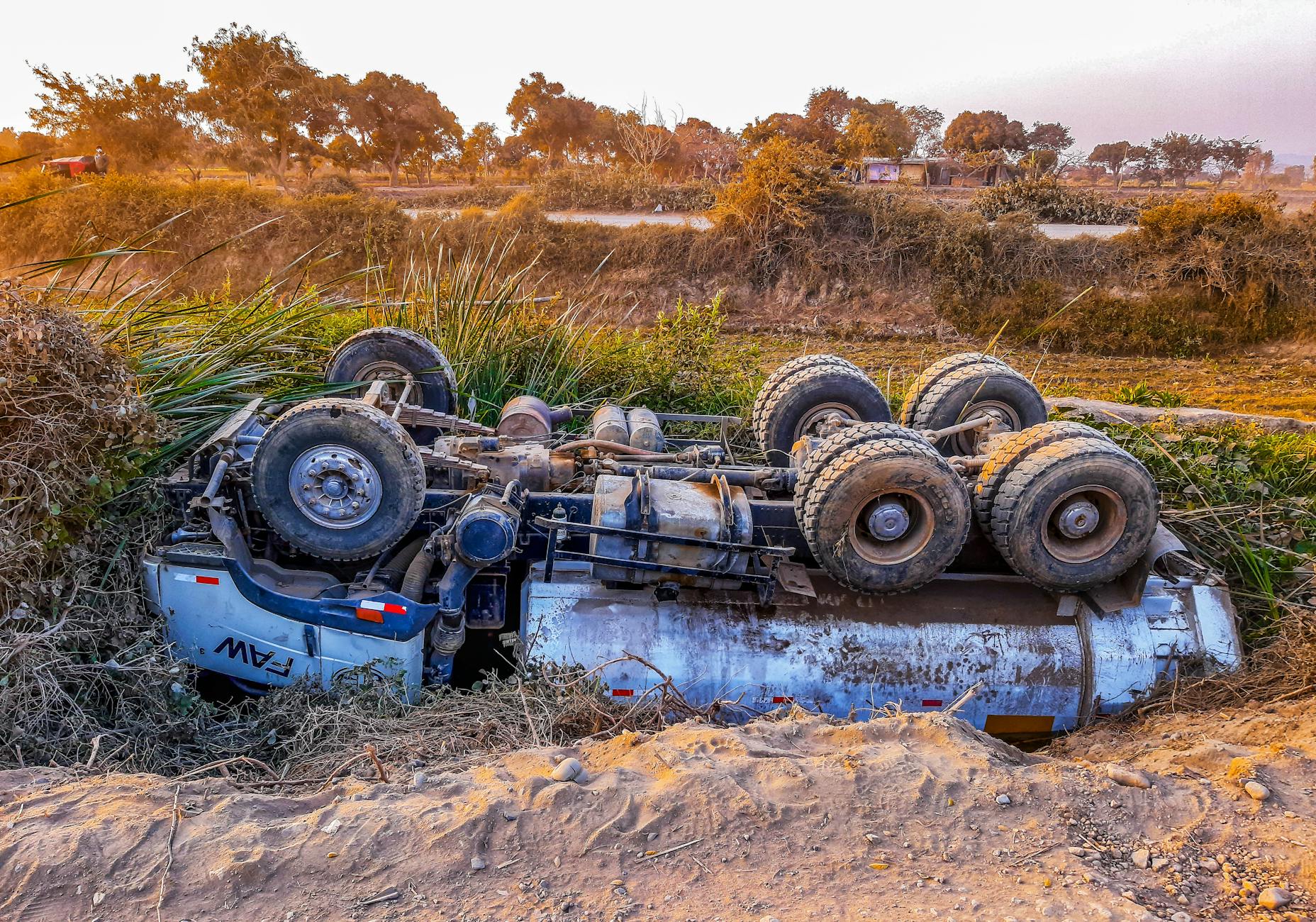
How Liability Works Differently in Truck Accidents
Truck accident liability often extends beyond just the driver to include the trucking company, the cargo loader, the vehicle manufacturer, or the maintenance facility that failed to repair faulty brakes. This multiple-defendant structure means your lawyer must investigate thoroughly to identify every responsible party—a task you cannot accomplish alone. Common causes of truck accidents include driver fatigue (illegal under federal hours-of-service rules), improperly secured cargo, mechanical failures like brake defects, and violations of trucking regulations that create legal liability for the company.
A critical limitation to understand: discovering these violations requires accessing federal logbooks, maintenance records, and company safety documents that the trucking company controls. Without a lawyer’s subpoena power and industry knowledge, you’ll never see this evidence. Additionally, trucking companies immediately hire their own attorneys and begin documenting their version of events, so delaying your legal representation means the other side gains a substantial investigative advantage.
Insurance Coverage and Claim Complexity in Commercial Trucking
Commercial trucking insurance operates under different rules than personal auto insurance. Trucks typically carry liability limits of $750,000 to $1 million per accident, and sometimes more depending on the cargo. A truck accident lawyer knows how to file claims with these commercial policies and understands the bad-faith practices some insurance adjusters use to delay or deny claims.
For instance, if you’re injured and file a claim, the insurance company might request excessive medical records, request repeated independent medical exams, or challenge the necessity of your treatment—tactics designed to wear you down into accepting a lower settlement. Your lawyer handles these interactions by responding to requests promptly, building your medical evidence through expert testimony if needed, and escalating bad-faith behavior to regulators. This professional handling protects you from inadvertently saying something that weakens your claim or missing deadlines that could forfeit your rights.

Negotiating Settlements Versus Going to Trial
Most truck accident cases settle before trial, but negotiations only succeed when both sides believe a jury might award more than the proposed settlement. A lawyer with experience in truck accident trials knows the community’s jury verdicts and can credibly threaten trial to push the insurance company toward a fair settlement. If you attempt to negotiate alone, the insurance adjuster has no reason to believe you’ll pursue litigation, so they’ll offer whatever they can get away with.
The tradeoff is that hiring a lawyer means you’ll pay 25% to 40% of your settlement as legal fees, versus keeping 100% of a small settlement you negotiate yourself. But this arithmetic strongly favors hiring a lawyer in serious cases. If a lawyer secures a $200,000 settlement instead of your negotiated $80,000 settlement, you keep $120,000 to $150,000 after the lawyer’s fee—more than double what you would have kept. Only in minor-injury cases where your damages are small ($5,000 to $10,000) does the fee structure favor self-representation.
Statute of Limitations and Evidence Preservation Issues
Your state’s statute of limitations sets a deadline for filing a lawsuit—typically two to four years after the accident for personal injury claims, though it varies. This deadline is absolute; missing it forfeits your right to compensation permanently. A lawyer ensures you meet this deadline and begins preserving evidence immediately, which is critical because trucking companies routinely destroy electronic logs, accident reports, and maintenance records after a set period.
The Federal Motor Carrier Safety Administration requires trucking companies to retain certain records for one year, but many companies comply minimally and “accidentally” delete data before your lawsuit is filed. Another limitation to consider: the trucking company and their insurance adjusters will contact you directly after the accident, often within days, offering quick settlements or asking you to provide a recorded statement. Anything you say in these conversations can be used against you. A lawyer acts as a buffer, instructing the other side to communicate only through your attorney and preventing you from accidentally undermining your claim through casual conversation.

Proving Negligence and Causation
To win your case, your lawyer must prove that the truck driver or company was negligent and that this negligence directly caused your injuries. Proving causation sometimes requires expert witnesses—accident reconstructionists who analyze crash physics, vocational experts who calculate your lost earning capacity, and medical experts who link your injuries to the accident. These experts cost money, typically $2,000 to $5,000 per expert, but their testimony is often essential in serious cases where the trucking company disputes the accident’s severity or your injury claims.
For example, if a truck accident aggravated a preexisting back condition, the defendant will argue your damages result from the preexisting condition, not their negligence. Your medical expert counters this by explaining how the accident accelerated your degeneration and how much additional treatment your injury imposed. Without this expert testimony, a jury might side with the defendant despite the accident clearly occurring.
Long-Term Implications and Regulatory Trends
Truck accident law continues evolving as the Federal Motor Carrier Safety Administration updates rules and courts establish new precedents around autonomous truck systems and corporate liability. Current trends favor injured plaintiffs in cases involving driver fatigue, as regulators increasingly scrutinize electronic log devices and company practices that pressure drivers to violate hours-of-service rules.
If your accident involved fatigue or safety regulation violations, modern courts view these violations as evidence of negligence, strengthening your claim. The trucking industry is also increasingly insuring themselves against litigation through large self-insurance pools and captive insurance companies, which changes how negotiations proceed. An experienced truck accident lawyer stays updated on these industry shifts and adjusts strategy accordingly, which further justifies hiring legal representation.
Conclusion
You should hire a truck accident lawyer if your injuries are more than minor, the accident wasn’t unambiguously your fault, or the other driver is insured through a commercial policy. The complexity of truck accident cases—multiple defendants, federal regulations, specialized insurance, evidence preservation issues, and expert testimony needs—makes legal representation nearly essential in serious situations. The fee structure, typically contingency-based (meaning you pay nothing unless you win), eliminates the financial barrier to hiring a lawyer.
Your next step is to contact a truck accident lawyer in your state within a few days of the accident, before evidence disappears and your memory of events fades. Most offer free initial consultations where they’ll evaluate your case and explain your options. During this consultation, ask about their experience with truck accidents specifically (car accident lawyers have different expertise), their track record in settlement and trial outcomes, and their fee structure. Early legal representation protects your rights from the moment the accident occurs.
Frequently Asked Questions
How much does a truck accident lawyer cost?
Most truck accident lawyers work on contingency, meaning they charge no upfront fees and take 25% to 40% of your settlement or court award. You only pay if you win, making representation affordable even after a serious injury has interrupted your income.
Can I sue the trucking company directly, or only the driver?
You can sue both, and you should. Trucking companies are liable for their employees’ negligence under “vicarious liability,” and they’re often also directly liable for negligent hiring, training, or supervision. A lawyer ensures all responsible parties are named in your claim.
How long does a truck accident case typically take?
Simple cases with clear liability may settle within 6 to 12 months. Complex cases involving multiple injuries, disputed liability, or trial can take 2 to 4 years. Your lawyer will estimate the timeline based on the case’s specifics.
What if I partly caused the accident?
Most states follow comparative negligence rules, meaning you can still recover damages even if you were partially at fault—you just receive reduced compensation proportional to your percentage of blame. A lawyer argues to minimize your assigned percentage.
What types of damages can I recover in a truck accident?
You can recover economic damages (medical bills, lost wages, future medical care), non-economic damages (pain and suffering, emotional distress), and in cases of extreme negligence or intentional conduct, punitive damages. A lawyer quantifies each category to maximize your award.
Should I accept the first settlement offer from the insurance company?
Almost never. Initial offers are typically 30% to 50% below what a case is actually worth. A lawyer negotiates multiple rounds to reach fair value before considering settlement, and rejects lowball offers that undervalue your claim.