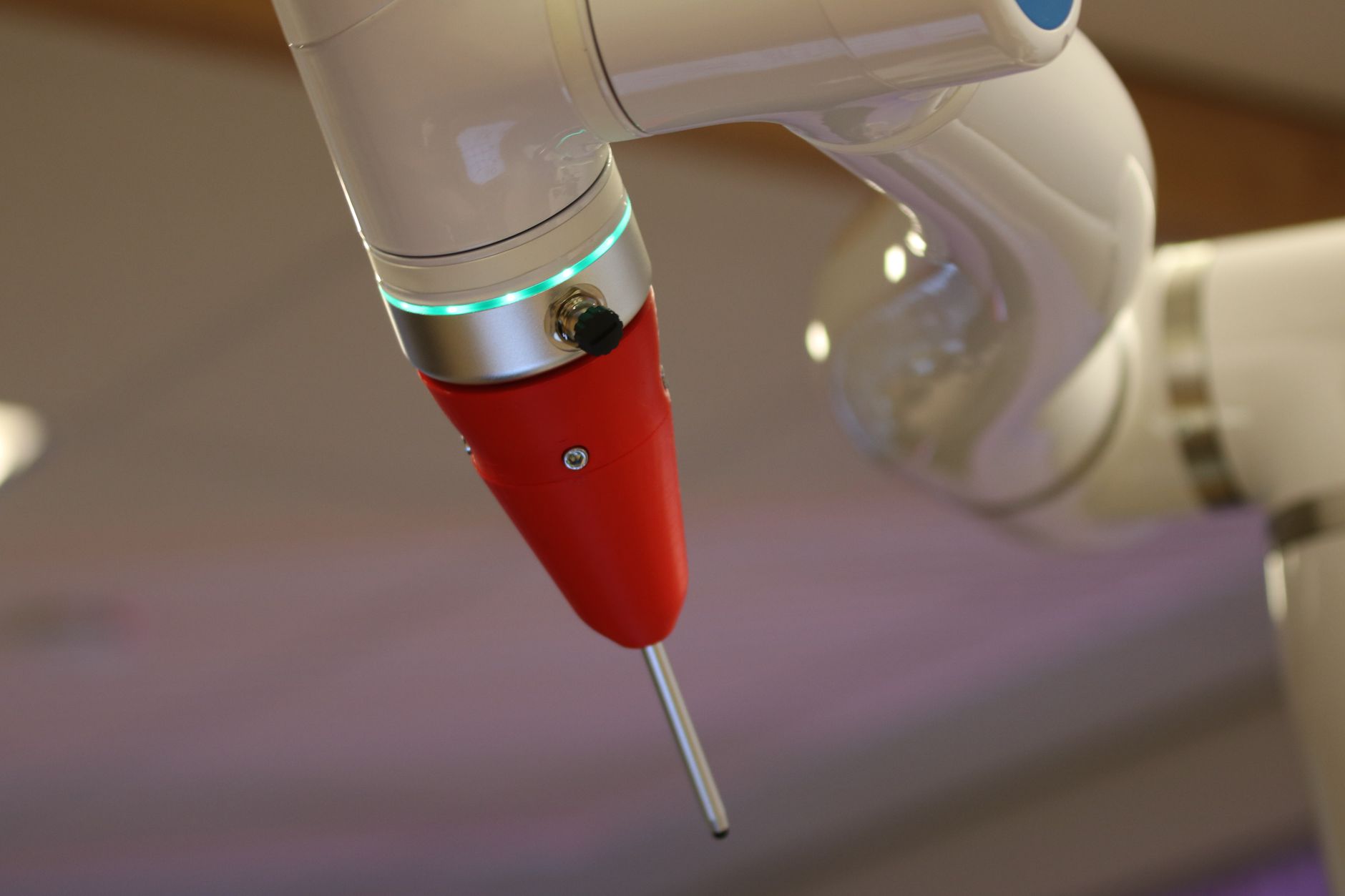
A surgical robot malfunction during a procedure usually leads to settlement rather than a plaintiff verdict. Trial and appeal outcomes have turned on expert causation proof and who must receive the warning. The cases center on Intuitive Surgical's da Vinci system, a surgeon-controlled platform with robotic arms, instruments and video controls. A malfunction claim alleges the device, not only the surgeon, caused a burn, organ injury or death.
Official resources:
- Explore the official data from FDA — Use this primary source to review the underlying data.
- Explore the official data from FDA — Use this primary source to review the underlying data.
Table of Contents
- What malfunction evidence has appeared in these cases?
- Why did so many claims settle?
- Why are trials difficult for injured patients?
- What did appeals decide about proof and warnings?
- What should a patient or family preserve after an event?
What malfunction evidence has appeared in these cases?
Intuitive warned in May 2013 that Monopolar Curved Scissors called Hot Shears could develop micro-cracks. Those cracks could let electrosurgical energy arc and burn tissue outside the surgical field, according to the FDA recall entry. The FDA classified Intuitive's June 8, 2013 correction of da Vinci Si Surgeon Side Cart, Vision Cart and Instrument Control Box as Class 2 recalls for software-design causes, as shown in the FDA recall database entry.
The agency said urgent notices went out July 15, 2013. Robot displays can also show error messages during surgery. Courts have treated those messages as only a starting point, not proof that the robot caused injury.
Why did so many claims settle?
BioSpace reported that Intuitive Surgical recorded a $67 million pre-tax charge in 2014 to settle roughly 3,000 da Vinci product-liability claims alleging burns, organ damage and death in the BioSpace settlement report. Settlement grouped many injuries into one financial resolution. The Clinical Robotics Law Journal, via LexBlog, reported about 100 da Vinci suits filed with at least 700 more claims held under tolling agreements.
Tolling pauses the filing deadline while parties negotiate. Only two product-liability cases reached trial in that account: one defense verdict and one settlement during deliberations. That pattern makes settlement the practical center of this litigation.
Why are trials difficult for injured patients?
A patient must connect a specific device defect to a specific injury. Secondary causes, surgical technique, patient anatomy and hospital care can complicate that proof. A UC San Diego JAMA Surgery analysis, reported by News-Medical in 2014, found robotic prostatectomy patients in 2005 were twice as likely to suffer a patient-safety-indicator adverse event as open-surgery patients during early adoption.
Early learning curves can blur fault between device and use. Device-report counts also have limits. UMA Technology, citing FDA, explains that MAUDE reports may be duplicated, incomplete, unverified and under-reported and lack a procedure denominator. Counts alone cannot establish true malfunction or injury rates.
What did appeals decide about proof and warnings?
The Third Circuit affirmed summary judgment for Intuitive on Jan. 28, 2010 in Mracek v. Bryn Mawr Hospital because the prostatectomy patient offered no expert proof excluding secondary causes or linking displayed robot error messages to injury, as shown in the CourtListener opinion record. An error display without expert causation failed.
Washington's Court of Appeals held in Taylor v. Intuitive Surgical in 2015 that the learned-intermediary doctrine applied. Under that rule, the maker owed its warning duty to the surgeon, not the hospital. That ruling sustained a defense jury verdict. It means warning claims often rise or fall on what the operating surgeon knew and chose.
What should a patient or family preserve after an event?
Act quickly because operative data, device logs and explanted instruments can disappear. Ask for records before memories fade and systems overwrite logs.
Do not rely on adverse-event counts found online. Bring facts tied to one procedure, one device and one injury.
- Request the full operative report, anesthesia record and device error log notes
- Ask the hospital how the robot, instruments and video were preserved
- List every burn, perforation, transfusion, return to surgery and infection
- Keep implant, discharge and follow-up records with dates and providers
- Bring that packet to a product-liability consultation before signing releases
You Might Also Like
- A Spinal Cord Stimulator Causing Unexpected Nerve Injury: Settlement, Trial, and Appeal Issues Explained
- A Surgical Robot Malfunction During a Procedure: Which Economic and Non-Economic Damages Could Be Available?
- A Surgical Robot Malfunction During a Procedure: When Might Punitive Damages Be Available?