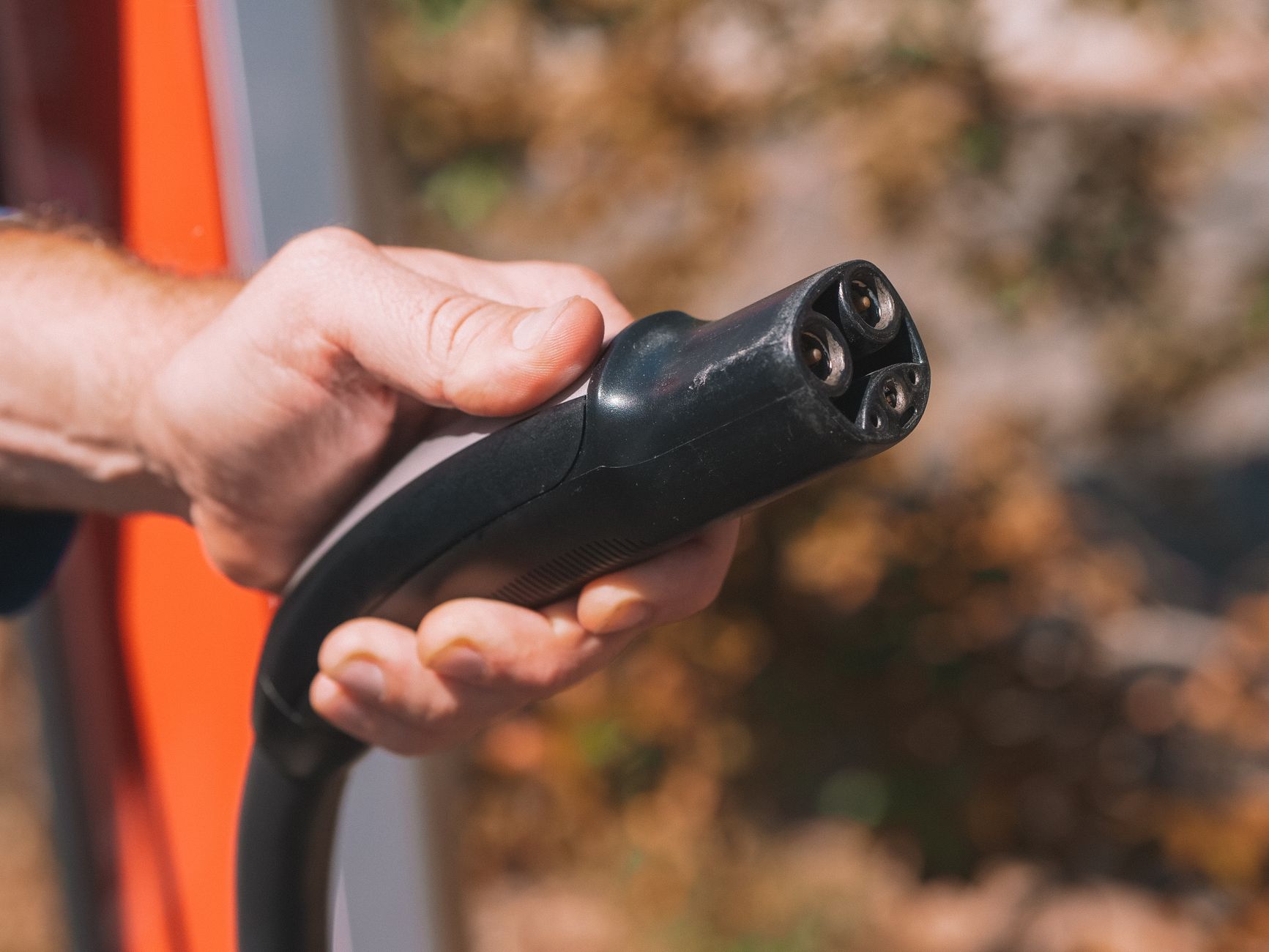
A rekindling electric-vehicle fire can support exemplary damages when records show the company knew crash-damaged batteries could reignite and ignored that risk. Exemplary damages are extra court awards meant to punish despicable conduct, not only to repay medical bills and property loss. The pattern is a fire that seems out, then burns again hours later. That delay focuses claims on prior knowledge, warnings, and post-crash safety steps.
Table of Contents
- Why does a crashed battery catch fire again?
- What have crash investigations shown?
- What did the maker tell responders to expect?
- What does California require for exemplary damages?
- What proof helps, and what limits apply?
Why does a crashed battery catch fire again?
According to EV.com, damaged cells can retain stranded energy after a crash. One overheating cell can heat its neighbor. The neighbor then vents flammable gas and ignites.
Visible flames can disappear while heat remains inside the pack. Ignition can follow hours later. This delay endangers occupants, tow crews, and storage yards.
What have crash investigations shown?
The National Transportation Safety Board studied three crash-damaged high-voltage batteries in Safety Report SR-20/01, described in this NTSB report summary. All three reignited after firefighters put out the first vehicle fires. The Board listed thermal runaway and multiple reignitions as safety risks.
The 2018 fatal crash of a 2014 Tesla Model S in Fort Lauderdale showed the delay in practice, described in this Automotive News account of the preliminary findings. Citing the NTSB preliminary report, Automotive News reported the battery reignited while workers loaded the car for removal. It reignited again at the storage yard.
What did the maker tell responders to expect?
Tesla's 2024 Model 3 rescue sheet warns responders that the battery can reignite, as shown in the official rescue sheet. It directs crews to watch high-voltage battery temperature for at least 24 hours. It also directs storage outside at least 50 feet from other vehicles.
Tests reported by TheBigRedGuide found NFPA needed 1,160 to 2,639 gallons of water to cool EV batteries properly. Most first-due engines do not carry that amount without tanker support. The gap matters for training, dispatch, and safe parking after a crash.
What does California require for exemplary damages?
California law allows exemplary damages only on clear and convincing evidence of oppression, fraud, or malice, under the state text of Civil Code section 3294. The Legislature defines malice to include despicable conduct carried out with willful and conscious disregard for others' safety. That is a higher test than carelessness.
A rekindle case would link prior reignition reports to a choice to skip a warning, fix, or handling instruction. Internal tests, complaints, service bulletins, and rescue-sheet language can show what the company knew. A weak response after repeated fires can point toward conscious disregard.
What proof helps, and what limits apply?
According to EV.com, studies routinely show electric vehicles catch fire less often than gasoline vehicles. The same source cautions that exact rate comparisons need care because datasets use different populations, reporting rules, and fire definitions.
A defense will cite lower frequency, so a claim must focus on foreseeable rekindle harm after a crash. Useful proof ties knowledge to the specific car and crash: Save impound photos, temperature logs, and storage-yard records before they are discarded. Ask a California personal-injury lawyer to compare them to the clear-and-convincing standard.
- fire and tow records showing the time of each reignition
- battery-charge, damage, and repair history before the fire
- warnings, manuals, and responder instructions in effect at that time