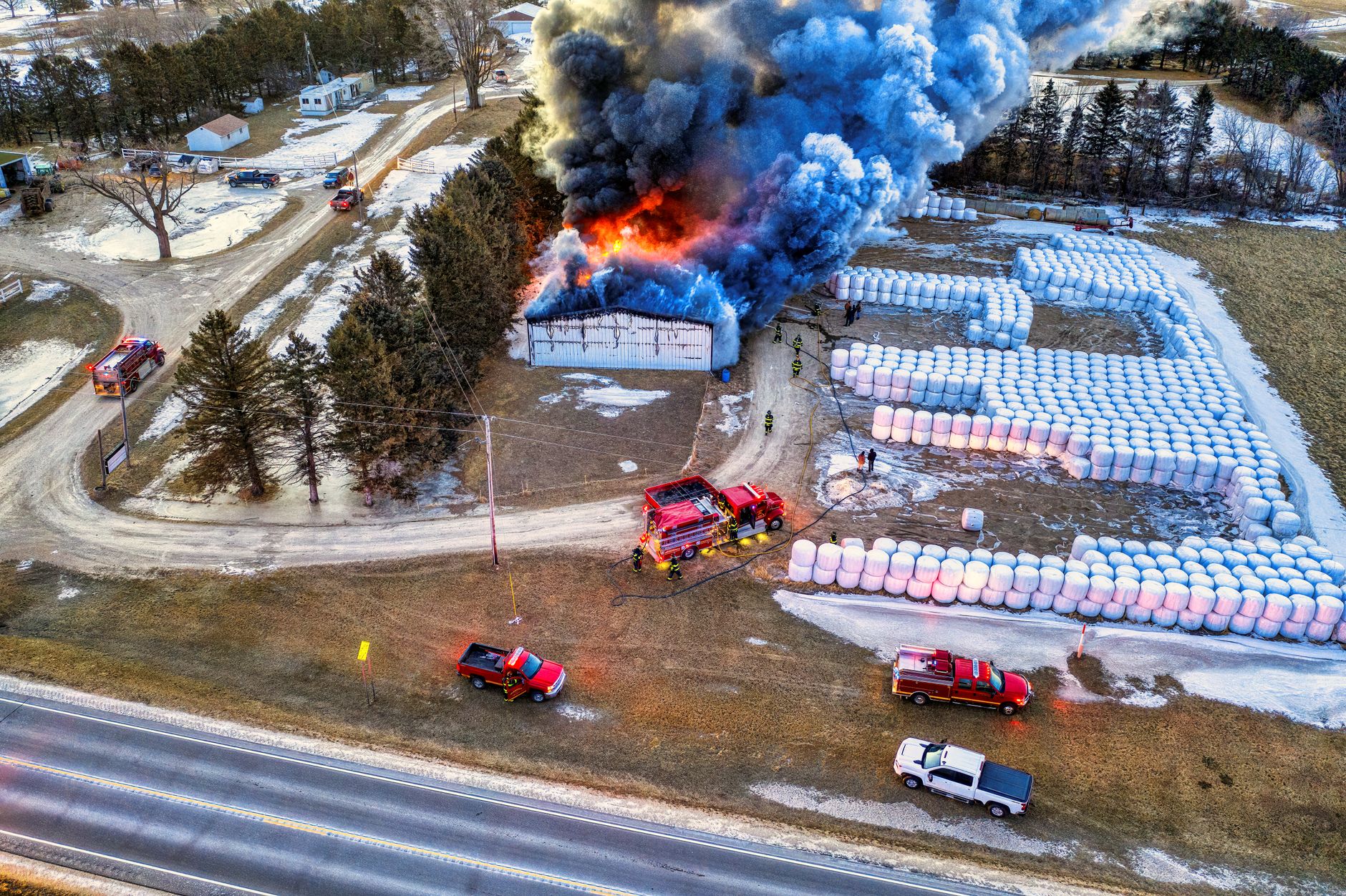
A warehouse fire that releases toxic smoke could support economic damages for proven financial losses and non-economic damages for pain and suffering. Economic damages repay bills, lost income, and property loss, while non-economic damages address physical and emotional harm. Economic damages mean special compensatory damages for documented money losses. Non-economic damages mean human losses that lack a receipt, such as anguish and lost enjoyment of life.
Table of Contents
- What economic damages cover medical costs and lost income?
- What pain, suffering, and emotional harm can be claimed?
- What can nearby residents and businesses claim for property and evacuation?
- What applies after a death or egregious misconduct?
What economic damages cover medical costs and lost income?
Economic damages repay past and future medical expenses, lost wages and earning capacity, destroyed-property value, and necessarily incurred expenses, according to the Cornell Law School Legal Information Institute in its overview of compensatory damages. A clinic visit, hospital stay, prescription, therapy appointment, and ambulance ride can qualify when linked to the smoke. Pay stubs, tax records, and a doctor's work restriction help connect missed work and reduced earning capacity to exposure.
Smoke fine particles, known as PM2.5, carry special medical importance. An extensive evidence base links short-term exposure to respiratory and cardiovascular illness and premature death, with coughing, wheezing, heart failure flare-ups, and emergency visits. That link explains why prompt testing for breathing and heart symptoms matters after a dense smoke event.
What pain, suffering, and emotional harm can be claimed?
Noneconomic damages compensate pain and suffering, meaning physical discomfort plus anguish, inconvenience, emotional trauma, and, in New York expressly, loss of enjoyment of life, according to the Cornell Law School Legal Information Institute in its explanation of pain and suffering. Headaches, throat burning, sleeplessness, anxiety, and inability to play, exercise, or enjoy home life fit this category. The amount turns on severity, duration, medical support, and daily-life impact.
Benzene shows why these harms vary by person and dose. Breathing it can cause drowsiness, dizziness, rapid heart rate, headache, tremors, confusion, and unconsciousness, while prolonged exposure can harm bone marrow and cause anemia and leukemia. A brief headache that resolves differs from months of dizziness, confusion, or fear after a leukemia diagnosis.
What can nearby residents and businesses claim for property and evacuation?
Nearby homeowners and businesses can claim property cleanup or diminished value, temporary relocation or additional living expenses after mandatory evacuation, and business-interruption loss of net income plus rent, loans, taxes, and payroll during restoration, according to the Insurance Information Institute in its business-interruption insurance guide. Hotel bills, meals, boarding, soot cleanup, filter replacement, and lost inventory fit here when receipts tie them to the fire.
Fair market value sets the measure for destroyed property. The April 11, 2023 My Way Trading plastic-recycling warehouse fire in Richmond, Indiana shows the pattern, with resident evacuation while monitors detected elevated hydrogen cyanide, benzene, carbon monoxide, chlorine, and particulates, as reported in the Journal of Exposure Science and Environmental Epidemiology in its analysis of the Richmond fire. Evacuation orders, monitor readings, and cleanup instructions help connect relocation and cleaning costs to the smoke rather than ordinary upkeep.
What applies after a death or egregious misconduct?
If smoke exposure causes death, surviving family members or dependents may bring a wrongful-death action for resulting losses, but state statutes control who may sue and which damages are allowed. Funeral costs, lost support, and listed survivor losses may be available in some states and barred in others. The filing deadline, eligible plaintiff, and allowed categories come from the law of the state where the claim is brought.
Punitive damages are only an add-on to actual damages for intentional or wanton and willful misconduct. Toxic-smoke plaintiffs still must prove exposure, dose, causation, and documented losses, so contemporaneous medical records and receipts are practically essential. Keep discharge papers, prescriptions, air-quality alerts, evacuation orders, photos, and every receipt in one folder.
You Might Also Like
- A Landfill Fire Exposing Neighbors to Toxic Smoke: Which Economic and Non-Economic Damages Could Be Available?
- A Train Derailment Releasing Hazardous Chemicals: Which Economic and Non-Economic Damages Could Be Available?
- PFAS Contamination Discovered in a Community Water Supply: Which Economic and Non-Economic Damages Could Be Available?