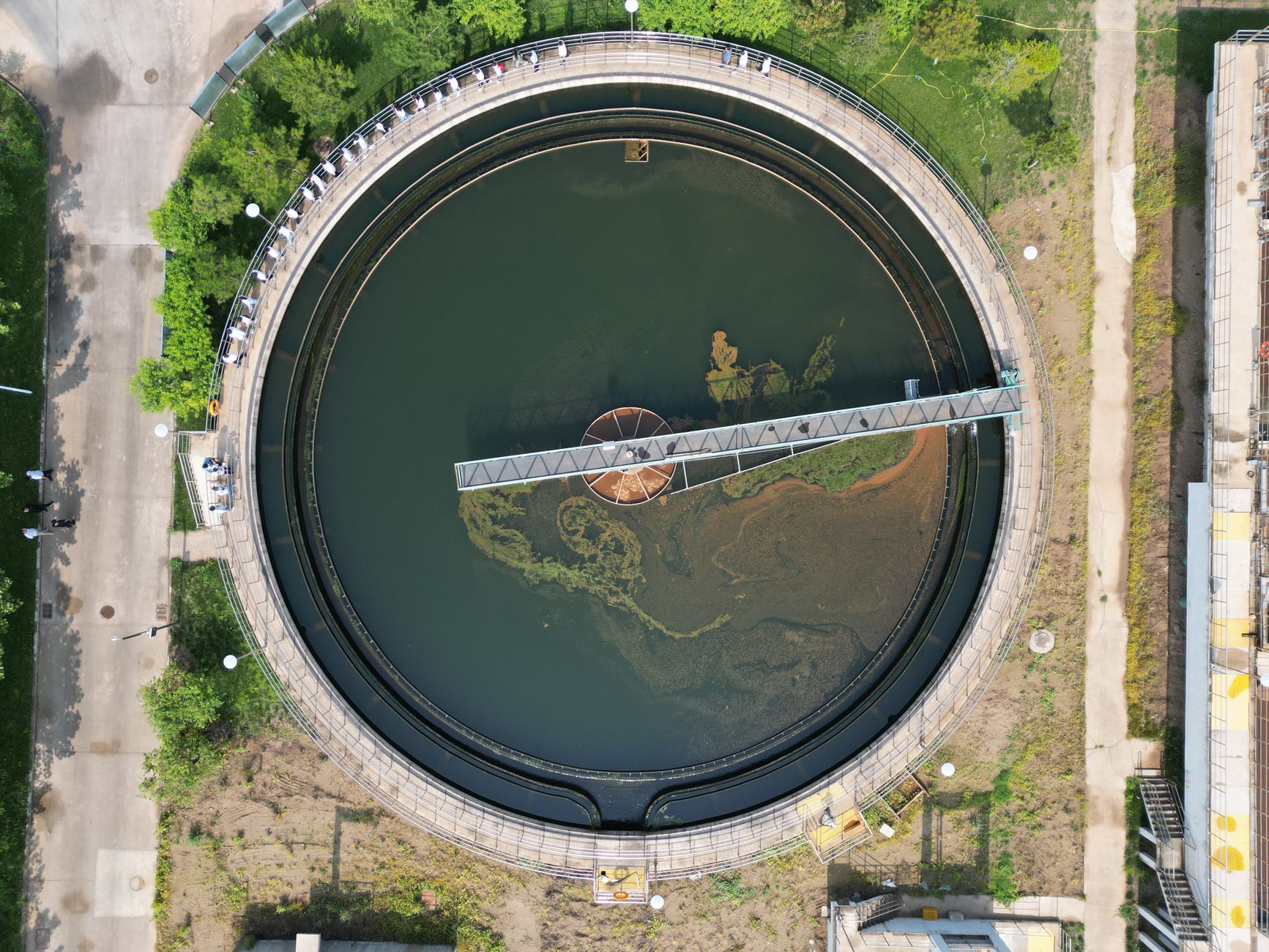
No, a careless wastewater discharge that kills fish is negligence. It rises to gross negligence only with willful, wanton and reckless conduct, as explained in the Fifth Circuit account Fifth Circuit decision in U.S. v.
CITGO. Negligence means failure to use ordinary care. Gross negligence sits between that failure and intent to do wrong. That gap controls criminal exposure and the scale of civil damages.
Table of Contents
- What turns negligence into gross negligence?
- How does wastewater kill fish?
- What fines and restoration costs follow?
- What should residents and operators do?
What turns negligence into gross negligence?
Dairy manager Teunis Willemsen pumped ammonia-laden wastewater from Heartland Dairy into Little Black Creek. The discharge killed about 789 fish and 1,370 other animals. He pleaded guilty on Dec. 12, 2022 to negligently discharging a pollutant. He received 15 months probation, a $25,000 fine and 100 hours of service, according to the U.S. DOJ bulletin DOJ environmental crimes roundup. By contrast, CITGO's 2006 Lake Charles refinery spill sent over 2 million gallons of oil into waterways after storm-caused tank failures.
It closed a navigation channel for 10 days, restricted recreation for weeks, damaged over 100 acres of marsh, and harmed fish while killing birds, as described by the Fifth Circuit. Size alone does not set the legal label. Prosecutors look for conscious disregard, not only a bad outcome. The trial record in U.S. v. CITGO framed gross negligence as conduct between intent and ordinary negligence. The government stressed that the Clean Water Act lists gross negligence and willful misconduct separately. Practical markers include:.
- ordinary lapse: missed sample, equipment failure, fast report and cleanup
- reckless pattern: known risk ignored, alarm bypassed, discharge continued
- proof focus: logs, warnings, training records and prior violations
How does wastewater kill fish?
Ammonia from wastes, fertilizers and natural processes is a common cause of fish kills, according to the U.S. EPA EPA ammonia cause page. It can poison fish directly. That toxicity worsens with higher pH and temperature. Microbes also oxidize ammonia and deplete dissolved oxygen.
Low oxygen then suffocates fish even when direct poisoning does not. The EPA notes that harm varies with pH, temperature, exposure duration and frequency. That variability matters for claims. A dead-fish count alone does not prove ammonia caused the kill. Field pH, temperature and timing data shape the finding.
What fines and restoration costs follow?
Under 33 U.S.C. 1319, a negligent Clean Water Act violation draws up to 1 year and $2,500-$25,000 per day. The range doubles on repeat conviction, according to the EPA snapshot EPA criminal penalties summary. A knowing violation draws up to 3 years and $5,000-$50,000 per day. Florida makes violators liable to the state for damage to air, waters and property, including animal, plant and aquatic life. Liability also covers tracing, control and restoration costs under Fla.
Stat. 403.141, as published by the Florida Legislature. Fish value comes from an agency table, with totals estimated by standard practices. The EPA's May 12, 2016 $6 million Southern Minnesota Beet Sugar settlement shows how prevention gets priced, according to U.S. EPA Enforcement. It required pond-volume modeling, contingency plans for forecasted exceedances and wastewater-piping audits. It also imposed a $1 million civil penalty shared with Minnesota.
What should residents and operators do?
If you find dead fish below a discharge, document fast and report early. Photograph fish with date and place. Note water color, odor, weather and timing. Save cleanup bills, property losses and medical visits. Do not eat, sell or haul dead fish without agency guidance.
Report the kill to the state environmental agency. Ask a local environmental lawyer whether a state damage claim or citizen suit fits. Operators face the harder test after a kill. Keep discharge logs, lab results and inspection records. Model pond volume, plan for storms and audit pipes before forecasts turn bad. Those records decide whether a spill looks like a lapse or a reckless pattern.
You Might Also Like
- Pesticide Drift Injuring Workers on a Neighboring Property: Does the Conduct Rise From Negligence to Gross Negligence?
- Lead Dust Escaping From a Demolition Project: Does the Conduct Rise From Negligence to Gross Negligence?
- An Influencer Promoting an Investment Without Disclosing Payment: Does the Conduct Rise From Negligence to Gross Negligence?