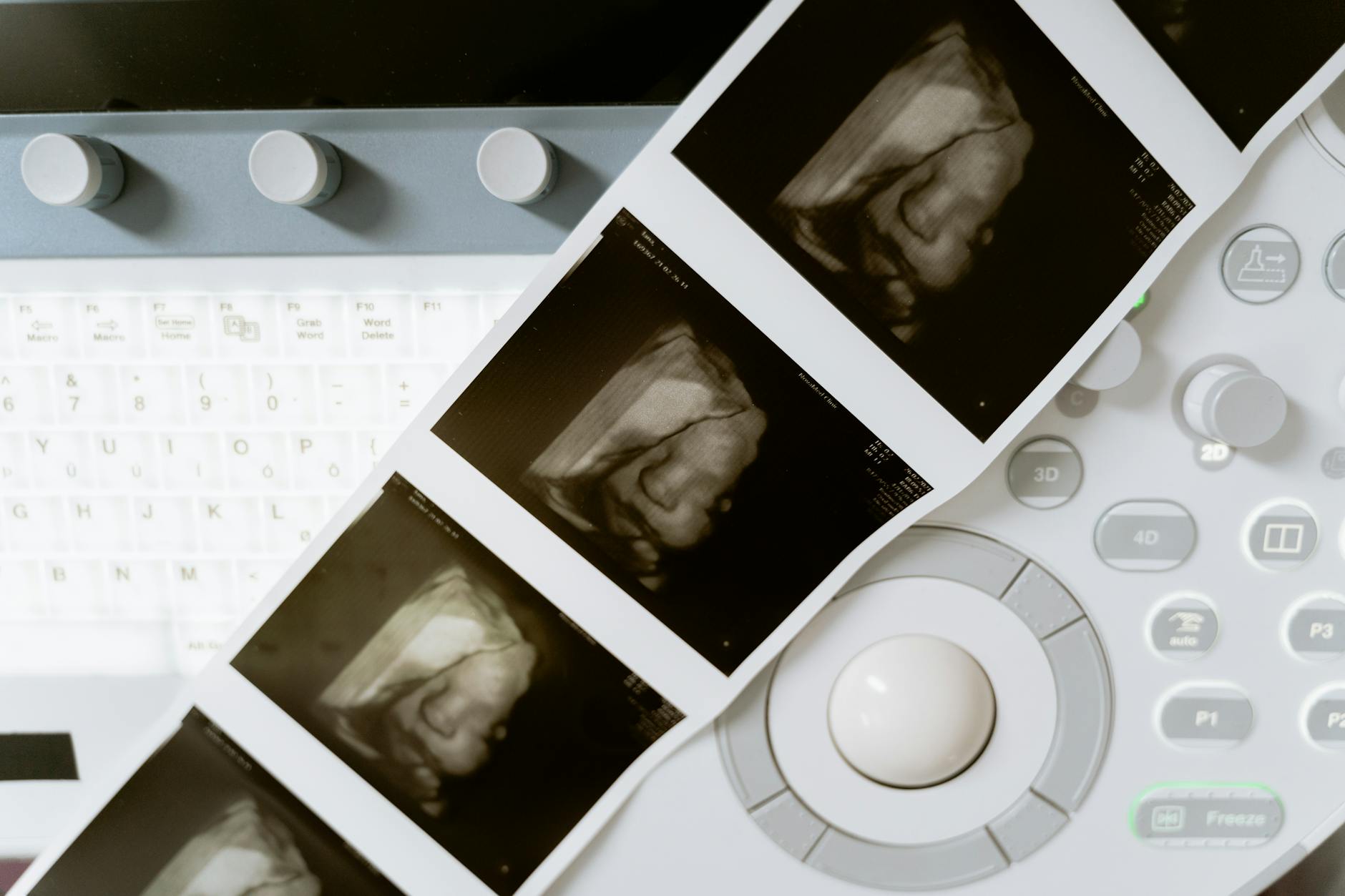
Fetal distress mismanagement lawsuits typically result in settlements and verdicts ranging from $4.5 million to over $950 million, though the average out-of-court settlement falls between $420,500 and $510,000. The wide range reflects differences in injury severity, the length of delay in medical intervention, and the resulting permanent harm to the child. A Utah case in 2025 demonstrates the high end of damages: a judge awarded nearly $951 million to a daughter who suffered hypoxic-ischemic brain injury after fetal distress signs were missed and over 24 hours passed before an emergency Cesarean section was performed.
Medical professionals have a clear duty to monitor fetal heart rate patterns during labor and delivery, and to respond quickly when distress signals appear. When that duty is breached—whether through missed heart rate decelerations, failure to perform a timely C-section, or delayed intervention—the resulting brain injuries can be catastrophic. The damages awarded in these cases reflect not only the immediate medical costs but also lifetime care expenses, lost earning potential, pain and suffering, and the parent’s emotional trauma.
Table of Contents
- What Are Typical Settlement Amounts in Fetal Distress Malpractice Cases?
- The Role of Injury Severity and Permanent Damage in Determining Awards
- Recent Landmark Verdicts and What They Reveal About Fetal Distress Cases
- The Critical Importance of Fetal Monitoring Records and Documentation
- Common Challenges in Proving Fetal Distress Negligence
- Settlement vs. Trial: Why Most Fetal Distress Cases Resolve Without Jury Verdict
- Building Your Fetal Distress Claim and Finding Qualified Legal Representation
- Conclusion
What Are Typical Settlement Amounts in Fetal Distress Malpractice Cases?
Birth injury malpractice lawsuits involving fetal distress average 30% higher settlement values compared to other medical malpractice claims, underscoring the severity and lasting impact of these injuries. Most cases that settle out of court resolve between $420,500 and $510,000, though many fall both below and significantly above this range. However, high-profile verdicts and settlements from 2024 and 2025 show that juries increasingly award multimillion-dollar damages when hospital negligence causes permanent brain damage.
For context, a $120 million verdict awarded in Michigan in 2024 illustrates what happens when major health systems fail to respond to clear fetal distress signals. Kirsten Drake and her son won their case against Henry Ford Health System after a 2-hour delay in performing a C-section despite the infant showing “non-reassuring heart tones.” The child suffered severe asphyxiation and permanent brain damage as a result. On the lower end of published settlements, a $4.5 million award in New York (2022) went to an infant who suffered hypoxic-ischemic encephalopathy when hospital staff and doctors failed to diagnose and respond timely to severe fetal bradycardia. The difference between these cases often comes down to factors like the child’s long-term prognosis, whether cerebral palsy developed, and the hospital system’s resources to defend the case.

The Role of Injury Severity and Permanent Damage in Determining Awards
The extent of permanent neurological damage is the single largest driver of settlement amounts in fetal distress cases. Hypoxic-ischemic encephalopathy (HIE), cerebral palsy, developmental delays, and seizure disorders all increase the value of a claim significantly because they require lifelong medical care, therapy, specialized education, and loss of independent living. A child who will need round-the-clock nursing care, ventilators, or feeding tubes will generate much higher damages than one with mild cognitive delays.
Courts and juries also weigh the specific sequence of negligence: Was the fetal distress identified but ignored? Was there a documentation failure that hid the problem? How long passed between the first sign of distress and the emergency intervention? A Missouri verdict from March 2025 awarded $48.1 million in part because hospital staff allowed a mother to continue pushing for over 12 hours despite clear fetal distress signs, delaying an emergency C-section that could have prevented brain injury. In contrast, if a C-section is performed within 5-10 minutes of fetal heart rate decelerations being noted, the outcome is often much better, and the negligence claim becomes smaller or even difficult to prove. The delay between detection and action is a critical factor juries examine closely.
Recent Landmark Verdicts and What They Reveal About Fetal Distress Cases
The $951 million Utah verdict handed down in 2025 is among the largest ever awarded in a birth injury case. Judge Patrick Corum awarded this massive sum after a daughter sustained a hypoxic-ischemic brain injury because fetal distress signs were missed or ignored, and more than 24 hours elapsed before an emergency Cesarean section was finally performed. This case highlights how catastrophic delays—measured in hours rather than minutes—can multiply the liability exposure for hospitals and doctors. The defendant health system had documentation of fetal heart rate abnormalities on monitors but failed to escalate the case appropriately.
A $120 million Michigan verdict from 2024 and a $48.1 million Missouri verdict from March 2025 both underscore a pattern: juries punish delays in emergency C-section delivery when fetal distress is clear. In Michigan, a 2-hour delay cost a major health system nine figures. In Missouri, allowing labor to continue for 12+ hours with known distress signals led to a nearly $50 million judgment. These verdicts are not outliers—they reflect how seriously courts now view hospital failures in fetal monitoring and response. Smaller settlements like the $8.2 million New York case (2024) and the $6 million New York settlement (2025) also emphasize that even “moderate” awards in fetal distress cases are measured in the millions when permanent neurological injury occurs.

The Critical Importance of Fetal Monitoring Records and Documentation
Medical records are the backbone of every fetal distress malpractice case. Fetal heart rate tracings, labor and delivery nursing notes, and physician orders create a timeline that either proves or disproves negligence. When monitors show late decelerations, variable decelerations, or sustained bradycardia (slow heart rate), the standard of care requires prompt physician notification and a decision about delivery method. A delay in documenting these findings, a failure to escalate the concern, or a refusal to order emergency surgery can all become evidence of malpractice.
The difference between winning and losing often hinges on whether the medical record clearly shows when abnormal fetal heart patterns were first visible and when the decision to perform a C-section was actually made. In the Pennsylvania case that settled for $32 million (2024), fetal distress was documented, but over 10 hours passed before the emergency cesarean was authorized. The records created a clear chain of negligence: evidence existed, responsibility was assigned to physicians and nurses, yet no timely action followed. Expert witnesses then testify about what the standard of care required, typically pointing to ACOG (American College of Obstetricians and Gynecologists) guidelines, which call for urgent delivery within minutes when severe fetal distress is confirmed. Missing or falsified records can sometimes lead to even larger settlements because juries interpret the omission as a cover-up.
Common Challenges in Proving Fetal Distress Negligence
One significant limitation in fetal distress cases is that expert testimony is essential but sometimes contested. Defense attorneys hire their own fetal monitoring experts who may argue that the heart rate patterns were “ambiguous,” that clinical judgment allowed for continued observation, or that the delay was reasonable given the clinical circumstances. Even with the same medical records, two experts can reach different conclusions about when delivery should have occurred. This uncertainty sometimes pushes cases toward settlement rather than trial.
Another challenge is that some hospitals and medical groups have begun implementing better documentation systems and team-based communication protocols since high-profile verdict awards, making it harder to prove negligence in newer cases. Additionally, fetal distress itself is sometimes a sign of conditions that emergency delivery cannot always prevent—such as severe infections, chromosomal abnormalities, or placental abruption—which can complicate claims. Insurance companies may argue that the harm would have occurred regardless of timing. However, when the medical record shows prolonged distress with no documented clinical decision-making process, courts tend to infer negligence, and verdicts reflect the assumption that timely intervention could have prevented injury.

Settlement vs. Trial: Why Most Fetal Distress Cases Resolve Without Jury Verdict
The vast majority of fetal distress malpractice cases—roughly 70-80%—settle before trial rather than proceed to a jury verdict. Hospitals and their insurers often prefer settlement to avoid the risk of a $100+ million jury award, and families often prefer the certainty of a known settlement amount to the unpredictability of trial. A New York settlement of $8.2 million (2024) exemplifies this: the infant had clear signs of hypoxic-ischemic encephalopathy from fetal monitoring delays (prolonged and late decelerations, bradycardia), the hospital’s liability was strong, and both parties agreed a settlement made sense.
Structured settlements are common in these cases, meaning the family receives a portion of the award upfront and the remainder in periodic payments over decades. This approach protects the child’s access to government benefits like SSI and Medicaid, which would be lost if a lump sum exceeded eligibility thresholds. An attorney experienced in birth injury cases will typically negotiate not just the amount but also the structure, tax implications, and the creation of a special needs trust to manage funds for the child’s lifelong care.
Building Your Fetal Distress Claim and Finding Qualified Legal Representation
If your child suffered an injury related to fetal distress mismanagement, the first step is to obtain all hospital records and have them reviewed by a qualified birth injury attorney and medical expert. The records must clearly show what fetal monitoring strips displayed, when abnormal patterns appeared, who was notified, and what actions were taken. Many law firms offer free case evaluations and will retain a neonatologist, obstetrician, or maternal-fetal medicine specialist to provide a preliminary opinion on whether the care fell below the standard.
Look for attorneys with a track record of birth injury settlements and verdicts in your state, as verdicts vary widely by jurisdiction and jury composition. Many fetal distress cases are pursued under contingency fee arrangements, meaning you pay nothing upfront and the attorney’s fee comes from the settlement or award. Given that settlements in these cases frequently exceed $1 million, the financial alignment is strong. Your attorney should be prepared to litigate aggressively if the hospital or doctor refuses a reasonable settlement offer, because the threat of a jury trial—especially in light of recent high verdicts—often motivates better settlement proposals.
Conclusion
Fetal distress mismanagement can result in settlements and verdicts ranging from $4.5 million to nearly $1 billion, with most out-of-court settlements falling in the $420,000 to $510,000 range for average cases. However, the trend in recent high-profile cases shows that when hospitals and doctors fail to respond promptly to clear fetal distress signals—especially when delays extend hours—juries and judges award multimillion-dollar damages that account for the child’s lifetime care needs and the parents’ trauma. The $951 million Utah verdict, the $120 million Michigan verdict, and the $48.1 million Missouri verdict all demonstrate that courts increasingly recognize the severity of birth injuries caused by negligence.
If you believe your child was harmed due to fetal distress mismanagement, consult with a qualified birth injury attorney who can review your medical records with an expert and advise you of your options. Many families recover significant compensation that funds specialized care, therapy, education, and quality of life improvements for their children. Time is limited to file claims, so reaching out to an attorney promptly is essential.