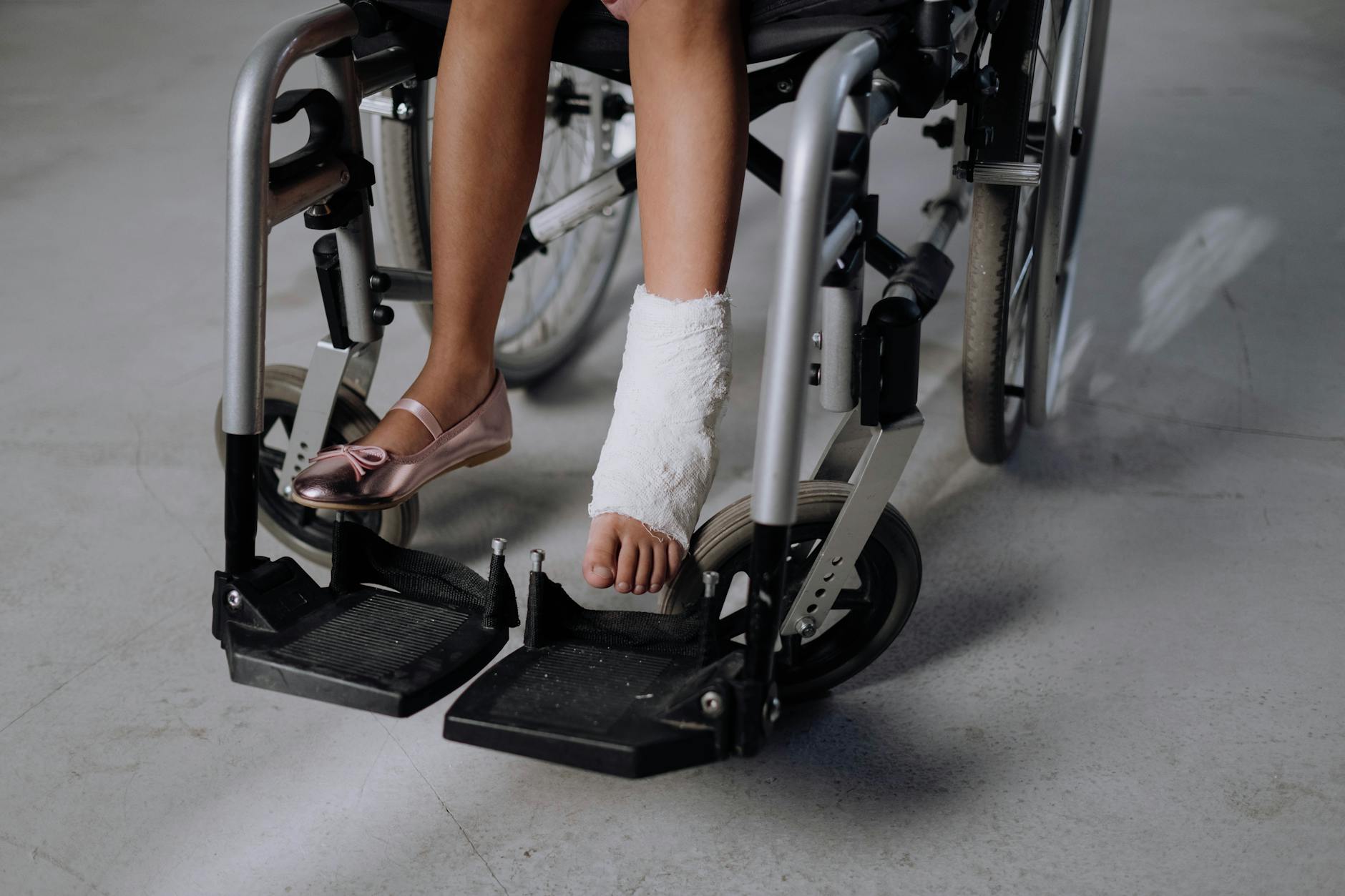
Causation in a personal injury case is the legal requirement that the defendant’s actions directly caused your injury or damage. Without causation, you cannot win your case, no matter how negligent the defendant was or how severe your injuries are. In legal terms, causation is the link between the defendant’s conduct and your harm—the court must find that “but for” the defendant’s action, your injury would not have occurred. For example, if a drunk driver hits your vehicle at an intersection and breaks your leg, causation is clear: the driver’s impaired driving directly caused your broken bone.
Causation is different from liability or negligence. A defendant might have been negligent, but if their negligence did not cause your specific injury, you cannot recover damages. Courts recognize two types of causation: actual causation (also called “cause in fact”) and proximate causation (also called “legal causation”). Both must be established for you to succeed in a personal injury claim. Understanding how causation works is essential because it forms the foundation of every personal injury lawsuit—from car accidents to slip-and-fall injuries to medical malpractice.
Table of Contents
- How Does Actual Causation Work in Personal Injury Claims?
- The “But For” Test: The Foundation of Proving Causation
- Proximate Causation: When Are Damages Actually Recoverable?
- Proving Causation: What Evidence Do You Need?
- Causation Pitfalls: Burden of Proof and Common Challenges
- Comparative Fault and How It Affects Causation
- Causation and Your Damages Recovery
- Conclusion
How Does Actual Causation Work in Personal Injury Claims?
Actual causation, or “cause in fact,” asks whether the defendant’s action was a necessary condition for your injury to occur. The legal test is called the “but-for” test: but for the defendant’s conduct, would the injury have happened? If the answer is no—meaning the injury would not have occurred without the defendant’s action—then actual causation exists. This is the foundational question in every personal injury case. If you cannot prove actual causation, your claim fails regardless of how careless the defendant was. Consider a concrete example: A store manager fails to clean up a spill on the floor.
You slip on the spill and fracture your wrist. Using the but-for test: but for the manager’s failure to clean the spill, would you have fractured your wrist? No, you would have walked past safely. Actual causation is established. However, if you slipped on the wet floor but did not injure yourself, there is still actual causation between the spill and your slip—but no injury, so no damages to recover. Actual causation must connect to an actual harm.
The “But For” Test: The Foundation of Proving Causation
The “but-for” test is the standard tool courts use to determine actual causation. The question is straightforward: but for the defendant’s negligent conduct, would the plaintiff’s injury have occurred? If yes, then the defendant’s action was not the cause of the injury. If no, then causation is established. However, the but-for test has important limitations and edge cases that can complicate your claim. One significant limitation is the “substantial factor” rule used in some jurisdictions when multiple causes could have produced the injury.
For example, if a building catches fire due to both an electrical fault and arson, the but-for test alone might fail because each cause alone might have been sufficient. Some courts apply the “substantial factor” test instead, asking whether the defendant’s conduct was a substantial factor in bringing about the injury. This makes it easier to establish causation when multiple independent causes exist. Another warning: proving actual causation with medical or scientific evidence can be challenging. If the defendant argues that your injury would have occurred anyway due to a preexisting condition, you must provide expert testimony showing that their conduct materially worsened your condition. Without this evidence, the court may find that causation is unproven, even if you have other strong evidence of negligence.
Proximate Causation: When Are Damages Actually Recoverable?
Proximate causation, also called “legal causation,” is the second required element. Even if the defendant’s conduct caused your injury in fact, the law limits how far liability extends. Proximate causation asks: was the injury a foreseeable result of the defendant’s conduct? If the injury was too remote or unforeseeable, the defendant may not be held liable, even though actual causation exists. Proximate causation protects defendants from liability for injuries that are too attenuated or unexpected. For example, a delivery driver negligently hits another car, causing a minor fender-bender.
The other driver is shaken but unharmed. On the way home, the driver is so distressed that they run a red light and hit a pedestrian. Is the original negligent driver liable for the pedestrian’s injuries? Actual causation exists—but for the fender-bender, the pedestrian would not have been hit. However, proximate causation likely does not exist because the pedestrian’s injury was not a foreseeable result of the original collision. The chain of causation was broken by an intervening human decision (the distressed driver’s choice to run a red light). Proximate causation protects defendants from liability for such remote consequences.
Proving Causation: What Evidence Do You Need?
Winning a personal injury case requires clear, convincing evidence of both actual and proximate causation. The type of evidence depends on the nature of the injury. In obvious cases like car accidents, causation may be straightforward—witness testimony, accident scene photos, and medical records showing that the injury occurred immediately after the accident establish a clear causal link. In more complex cases, such as toxic exposure or medical malpractice, you typically need expert testimony to establish causation.
Expert witnesses—such as physicians, engineers, or scientists—are often essential to explain how the defendant’s conduct caused your specific injury. For instance, if you claim a faulty product caused your injury, an engineer might testify that the defect made injury likely, and a physician might testify that your injury is consistent with injury from that defect. Medical records, diagnostic tests, and treatment documentation all support causation by showing the timeline and nature of your injury. The difference between these types of evidence matters: eyewitness testimony about what happened at the scene establishes actual causation, while expert testimony about medical or technical causation addresses proximate causation and the foreseeability of your specific harm.
Causation Pitfalls: Burden of Proof and Common Challenges
A critical warning: the burden of proving causation rests entirely on you, the injured plaintiff. The defendant does not need to prove that they did not cause your injury; you must prove that they did. In many jurisdictions, you must establish causation by a “preponderance of the evidence”—meaning it is more likely than not that the defendant’s conduct caused your injury. This is a lower standard than “beyond a reasonable doubt,” but it still requires strong evidence. If causation is merely possible or speculative, the court will rule against you.
Defendants often challenge causation by presenting alternative causes for your injury. For example, in a slip-and-fall case, the defendant might argue that you tripped due to your own carelessness or an unrelated condition, not the spill. To overcome this, you must provide evidence showing that the defendant’s negligence was a substantial contributing cause of your injury. Preexisting conditions present another common pitfall: if you had a prior injury or illness, the defendant may argue that your current injury results from the preexisting condition, not their conduct. You can still recover if you prove that the defendant’s negligence materially worsened your condition, but this requires medical evidence and expert testimony. Many cases are lost not because negligence did not occur, but because causation was not proven sufficiently.

Comparative Fault and How It Affects Causation
In some jurisdictions, comparative fault laws allow you to recover damages even if you bear partial responsibility for your injury. However, causation analysis becomes more complex when both you and the defendant contributed to the harm. Your own negligence does not eliminate the defendant’s causation; it reduces the damages you can recover based on your percentage of fault.
For example, if you are hit by a negligent driver but were jaywalking at the time, both of you may have contributed to the collision. The defendant’s negligence still caused your injury (actual causation exists), but your recovery might be reduced by your own negligence percentage. Some states use “pure comparative fault,” allowing recovery even if you are 99% at fault; others use “modified comparative fault,” barring recovery if you are more than 50% responsible. Understanding how causation interacts with comparative fault is essential for calculating your potential recovery.
Causation and Your Damages Recovery
Causation directly determines what damages you can recover. Once causation is established, you can claim damages for all foreseeable injuries resulting from the defendant’s conduct. This includes medical expenses, lost wages, pain and suffering, and in some cases, punitive damages.
The strength of your causation evidence influences the strength of your damages claim. Clear, convincing causation evidence makes juries and judges more confident in awarding higher damages; weak causation evidence limits recovery even if your injuries are severe. Many injured people focus heavily on proving the defendant’s negligence but underprepare their causation evidence, resulting in reduced settlements or lost cases. Conversely, strong medical expert testimony and detailed medical records that clearly establish causation often result in favorable settlements before trial.
Conclusion
Causation is the legal and factual link between the defendant’s conduct and your injury—it is not optional or negotiable in personal injury law. You must prove both actual causation (that the defendant’s conduct caused your injury in fact) and proximate causation (that the injury was a foreseeable result of the defendant’s negligence). Without both elements, even a clearly negligent defendant cannot be held liable for your injuries.
The “but-for” test, foreseeability analysis, and expert testimony are the primary tools for establishing causation in court. If you have suffered a personal injury and believe someone else’s negligence caused your harm, consult with a personal injury attorney who can evaluate the strength of your causation evidence and advise you on the likely value of your claim. Your attorney can help gather medical records, retain expert witnesses, and build a compelling case that clearly connects the defendant’s conduct to your injury. Causation is often the decisive factor in settlement negotiations and trials, so investing in strong causation evidence early in your case significantly improves your chances of recovery.