
A criminal defense lawyer in Florida serves as the legal advocate who stands between a defendant and the full weight of the state’s prosecution. Their job spans every phase of a criminal case, from the moment of arrest through trial and, if necessary, appeal. They investigate evidence, challenge police procedures, negotiate plea deals with prosecutors, and represent clients in court, all while safeguarding constitutional rights guaranteed under the Sixth Amendment and Article I, Section 16 of the Florida Constitution. If you are arrested for a DUI in Tampa, for instance, a defense attorney would review the traffic stop for legality, challenge the breathalyzer calibration, negotiate with the state attorney’s office, and represent you at trial if no acceptable deal materializes. The role carries weight that statistics make concrete.
Fifty-eight percent of people sitting in Florida jails right now have not been convicted of anything. They are legally presumed innocent and awaiting trial. For those individuals, a defense lawyer is often the only person working to get them out on bond, get their charges reduced, or get their case dismissed entirely. Florida’s overall incarceration rate stands at 795 per 100,000 people, one of the higher rates in the country, which means the criminal justice system here processes an enormous volume of cases and defendants can easily get lost in the machinery without competent representation. This article breaks down the specific duties a criminal defense attorney handles in Florida, walks through the court process stage by stage, explains what representation actually costs, covers who qualifies for a public defender, and addresses several practical questions people facing charges need answered before they make decisions that affect the rest of their lives.
Table of Contents
- What Specific Duties Does a Criminal Defense Lawyer Handle in Florida?
- How Florida’s Criminal Court Process Works From Arrest to Sentencing
- What Criminal Cases Do Florida Defense Lawyers Handle?
- How Much Does a Criminal Defense Lawyer Cost in Florida?
- Who Qualifies for a Public Defender in Florida and What Are the Limitations?
- The Florida Association of Criminal Defense Lawyers and Why Professional Credentials Matter
- When You Need a Defense Lawyer Versus When You Might Not
- Conclusion
- Frequently Asked Questions
What Specific Duties Does a Criminal Defense Lawyer Handle in Florida?
The work starts well before anyone steps into a courtroom. A criminal defense lawyer‘s first obligation is to investigate the case independently of law enforcement. That means reviewing police reports line by line, interviewing witnesses the state may have overlooked or whose statements contain inconsistencies, analyzing physical evidence such as DNA samples or surveillance footage, and identifying procedural errors that could get evidence thrown out. If police conducted a search without a valid warrant or probable cause, for example, a defense attorney files a motion to suppress that evidence, potentially gutting the prosecution’s case before trial begins. Beyond investigation, defense lawyers handle the negotiation side of criminal law, which accounts for the resolution of the vast majority of cases. They negotiate plea bargains with prosecutors, where a defendant might plead guilty to a lesser charge in exchange for a reduced sentence.
A person charged with felony battery, for instance, might negotiate a plea down to misdemeanor assault, avoiding a potential prison sentence in favor of probation. This is not about getting guilty people off easy. It is about ensuring the punishment fits the actual conduct and that defendants are not steamrolled into accepting harsher outcomes simply because they cannot afford to fight. A duty that many clients do not fully appreciate until they need it is the obligation of confidentiality. Even if a client confesses guilt to their attorney, that information is protected by attorney-client privilege and cannot be disclosed to the court, the prosecution, or anyone else. This protection exists so defendants can be fully honest with their lawyers, which in turn allows the lawyer to build the most effective defense possible. Without this guarantee, defendants would withhold critical information, and the entire adversarial system would break down.
How Florida’s Criminal Court Process Works From Arrest to Sentencing
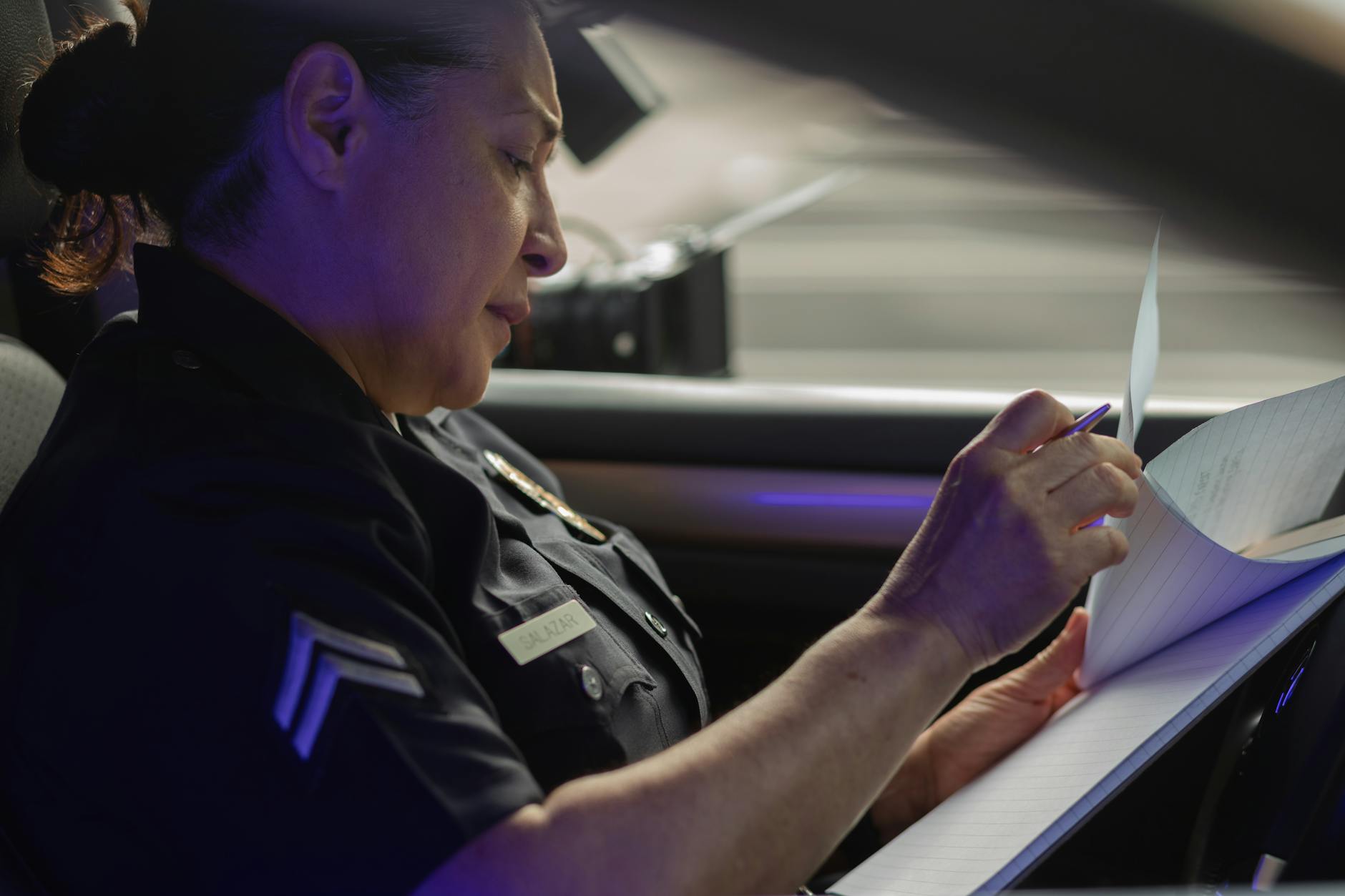
Florida’s criminal court process follows a structured sequence, and a defense lawyer’s involvement begins at the earliest stage. Within 24 to 48 hours of arrest, the defendant must be brought before a judge for a first appearance, also called a bond hearing. At this hearing, the judge reads the charges, determines whether the defendant qualifies as indigent, and sets bond conditions. A defense lawyer’s presence here matters enormously because the arguments made at this hearing determine whether someone goes home to prepare their defense or sits in jail for weeks or months awaiting trial. After the bond hearing, the case moves to arraignment, which typically occurs several weeks after arrest. This is the formal reading of charges, and the defendant enters a plea of not guilty, guilty, or no contest. Nearly every competent defense attorney advises entering a not guilty plea at arraignment, regardless of the facts, because it preserves all options going forward.
Between arraignment and trial, the pretrial phase involves depositions, evidence exchanges through the discovery process, and various motions. Defense lawyers may file motions to suppress illegally obtained evidence, motions to dismiss based on insufficient probable cause, or motions to compel the prosecution to hand over evidence they are withholding. However, if a case does proceed to trial and results in conviction, the sentencing phase introduces its own complexities. Florida has used statewide sentencing guidelines since October 1, 1983, and judges are required to follow them unless they articulate a clear and convincing reason for departure. This means a defense lawyer’s work at sentencing focuses on presenting mitigating factors, such as the defendant’s lack of prior record, mental health circumstances, or cooperation with law enforcement, that give the judge grounds to impose a sentence at the lower end of the guidelines or depart downward. A conviction does not end the attorney’s role either. Defense lawyers can file appeals, challenge sentences, and pursue post-conviction relief if constitutional errors occurred during the trial.
What Criminal Cases Do Florida Defense Lawyers Handle?
Florida defense lawyers handle a broad spectrum of criminal charges, and the defense strategy varies dramatically depending on the type of case. The most common categories include DUI offenses, drug crimes, assault and battery, theft, domestic violence, sex crimes, homicide, white-collar crimes, and federal offenses. A DUI defense, for example, often hinges on challenging the reliability of field sobriety tests or the maintenance records of breathalyzer equipment. A drug possession defense might focus on whether the search that uncovered the drugs was constitutional. These are fundamentally different skill sets, and experienced defense attorneys typically concentrate in a few areas rather than trying to handle everything. Consider the difference between defending a shoplifting charge and defending a federal wire fraud case. The shoplifting case might involve reviewing store surveillance footage and negotiating a pretrial diversion program that keeps the charge off the defendant’s record entirely.
The federal fraud case could involve tens of thousands of pages of financial documents, cooperation with forensic accountants, and navigating federal sentencing guidelines that are entirely separate from Florida’s state system. A defense lawyer handling a domestic violence case faces the additional complication that the alleged victim often wants to drop the charges, but in Florida, the state can and frequently does proceed with prosecution even without the victim’s cooperation, using 911 recordings, photographs of injuries, and statements made to responding officers. The stakes also vary wildly. A first-offense misdemeanor might carry a maximum of 60 days in county jail, while a first-degree felony like armed robbery carries up to 30 years in state prison. Capital cases, where the state seeks the death penalty, represent the most extreme scenario, and Florida defense lawyers handling capital cases operate under heightened professional obligations, including specific training requirements and resource standards. The point is that “criminal defense” is not one job. It is dozens of different specialties operating under one umbrella.

How Much Does a Criminal Defense Lawyer Cost in Florida?
Cost is usually the first practical question, and the honest answer is that it depends heavily on the severity of the charge and whether the case goes to trial. For misdemeanor cases in Florida, hiring a private defense attorney averages between $1,500 and $3,500. Felony cases typically range from $3,500 to $10,000 or more. Hourly rates run from $150 to $500 per hour, with more experienced attorneys and those in major metro areas like Miami, Tampa, and Orlando charging toward the higher end. The critical cost variable is whether a case resolves through a plea negotiation or goes to trial. A plea deal might involve a few court appearances, some negotiation with the prosecutor, and a relatively predictable fee. A jury trial, on the other hand, requires days or weeks of preparation, jury selection, witness preparation, and the trial itself, all of which multiply costs rapidly.
A felony DUI case that settles with a plea might cost $5,000. The same case taken to a three-day trial could easily reach $15,000 to $25,000 or more. Defendants need to have a frank conversation with their attorney early about what each path is likely to cost, because the financial pressure of a trial can itself become a factor in case strategy. On the attorney side of the equation, criminal defense lawyers in Florida earn an average salary of $96,264 per year, with the range spanning from $75,116 to $114,616 according to Salary.com data from February 2026. Entry-level attorneys with one to three years of experience average around $94,546, while senior attorneys with eight or more years earn approximately $169,297. These figures matter to clients because they reflect the reality that experienced attorneys command higher fees for a reason. A lawyer who has tried dozens of cases before a particular judge and knows how that judge handles sentencing departures brings value that a newer attorney, however talented, simply cannot replicate yet.
Who Qualifies for a Public Defender in Florida and What Are the Limitations?
Not everyone charged with a crime needs to hire a private attorney. Under Florida Statute §27.52, a person qualifies as indigent and is entitled to a court-appointed public defender if their income falls at or below 200 percent of the federal poverty guidelines, or if they receive Temporary Assistance for Needy Families, poverty-related veterans’ benefits, or Supplemental Security Income. However, the system comes with significant catches that defendants should understand before relying on it. First, Florida requires a $50 application fee to the clerk of court just to have your indigency determined. Florida is the only state in the country where judges cannot waive this fee, which means even the process of proving you are too poor to afford a lawyer costs money. Second, and this surprises many people, you are only entitled to a public defender if you face possible jail time. Not every criminal charge qualifies. A traffic offense classified as a criminal violation but carrying only a fine, for instance, does not trigger the right to appointed counsel.
If you are charged with a misdemeanor where the prosecutor has indicated they will not seek jail time, a judge may deny your request for a public defender, leaving you to represent yourself or find the money for a private attorney. The quality concern around public defenders is real but often overstated. Florida’s public defenders are licensed attorneys who handle criminal cases every day and frequently have more trial experience than private attorneys charging five times as much. The genuine limitation is caseload. Public defender offices across Florida are chronically underfunded and overloaded, which means your attorney may be juggling dozens of active cases simultaneously. This does not mean they are incompetent. It means they have less time for your individual case than a private attorney would. For straightforward cases, this difference may be negligible. For complex felonies requiring extensive investigation and expert witnesses, the resource gap can be meaningful.
The Florida Association of Criminal Defense Lawyers and Why Professional Credentials Matter
When evaluating a criminal defense attorney in Florida, one credible signal is membership in the Florida Association of Criminal Defense Lawyers, the statewide professional organization for defense practitioners. FACDL membership alone does not guarantee competence, but attorneys who invest time in professional associations tend to stay current on changes in criminal law, sentencing guidelines, and appellate decisions that affect defense strategy. More practically, board certification matters in Florida.
The Florida Bar certifies attorneys as specialists in criminal trial law and criminal appellate law, which requires passing an additional examination, demonstrating substantial trial or appellate experience, and receiving peer evaluations. Only a small percentage of licensed attorneys carry board certification. If you are facing a serious felony charge, asking whether your prospective attorney is board certified in criminal trial law is a reasonable and revealing question. It will not tell you everything, but it filters out a significant portion of attorneys who dabble in criminal defense without deep expertise.
When You Need a Defense Lawyer Versus When You Might Not
Not every encounter with Florida’s criminal justice system requires hiring an attorney, but the situations where you can safely go without one are narrower than most people think. For non-criminal traffic infractions, code violations, or civil citations, representing yourself is generally manageable. The moment a charge carries the possibility of jail time, a criminal record, or a felony designation, the calculus changes completely. A felony conviction in Florida results in the loss of voting rights, the inability to possess firearms, and permanent difficulty with employment, housing, and professional licensing. These collateral consequences often matter more to a person’s life than the direct sentence.
The trend in Florida criminal defense is toward increasing complexity. Mandatory minimum sentencing laws, the growing use of digital evidence such as cell phone location data and social media posts, and the expansion of federal jurisdiction into areas traditionally handled by state courts all make the landscape harder to navigate without professional help. Defense attorneys are also increasingly using their own forensic experts, private investigators, and data analysts to challenge prosecution evidence that juries once accepted at face value. For anyone facing criminal charges in Florida, the question is rarely whether you can afford a defense lawyer. The more pressing question is whether you can afford not to have one, given what is at stake.
Conclusion
A criminal defense lawyer in Florida does far more than stand next to you in court. They investigate your case from the ground up, protect your constitutional rights at every stage, negotiate with prosecutors who hold enormous leverage, challenge evidence that was improperly obtained, advocate for reasonable sentences when conviction is unavoidable, and pursue appeals when trial errors warrant it. The system is adversarial by design, and the prosecution has the resources of the state behind it. A defense attorney is the counterweight that keeps the process honest.
Whether you hire a private attorney or qualify for a public defender, the most important step is engaging legal representation as early in the process as possible. Decisions made in the first 48 hours after arrest, particularly at the bond hearing and during initial questioning, can shape the entire trajectory of a case. Understanding what defense lawyers do, what they cost, and what the court process looks like puts you in a position to make informed decisions rather than reactive ones. If you or someone you know is facing criminal charges in Florida, consult with a defense attorney before making any statements to law enforcement or accepting any plea offer.
Frequently Asked Questions
Can a criminal defense lawyer in Florida guarantee they will get my charges dropped?
No. Any attorney who guarantees a specific outcome is violating professional ethics rules. What a defense lawyer can guarantee is that they will investigate your case, protect your rights, and pursue the best available outcome. Results depend on the evidence, the charges, the judge, and numerous other factors outside any attorney’s control.
Do I need a lawyer for a misdemeanor charge in Florida?
It depends on the charge and the potential consequences. A misdemeanor conviction can carry up to a year in county jail, result in a permanent criminal record, and affect employment and housing. If jail time is a possibility, you are constitutionally entitled to counsel. Even when jail is unlikely, the long-term consequences of a criminal record often justify the cost of representation.
What is the difference between a public defender and a private criminal defense lawyer?
Both are licensed attorneys. The primary differences are caseload and resources. Public defenders handle high volumes of cases, which can limit the time they dedicate to any single defendant. Private attorneys typically carry smaller caseloads and may have more resources for investigation and expert witnesses. However, public defenders often have extensive trial experience because they handle so many cases.
How long does a criminal case take in Florida?
Misdemeanor cases typically resolve within two to six months. Felony cases can take six months to over a year, sometimes longer for complex charges. Cases that go to trial take longer than those resolved through plea negotiations. Defendants have a constitutional right to a speedy trial, but defense attorneys often waive this right strategically to allow more time for investigation and preparation.
Can I switch lawyers in the middle of my criminal case in Florida?
Yes, you have the right to change attorneys at any point. If you have a public defender, you can hire a private attorney to replace them. However, switching lawyers mid-case can cause delays, and a new attorney needs time to review everything the previous lawyer has done. Courts may also deny requests to change appointed counsel unless you can demonstrate a legitimate conflict or breakdown in the attorney-client relationship.