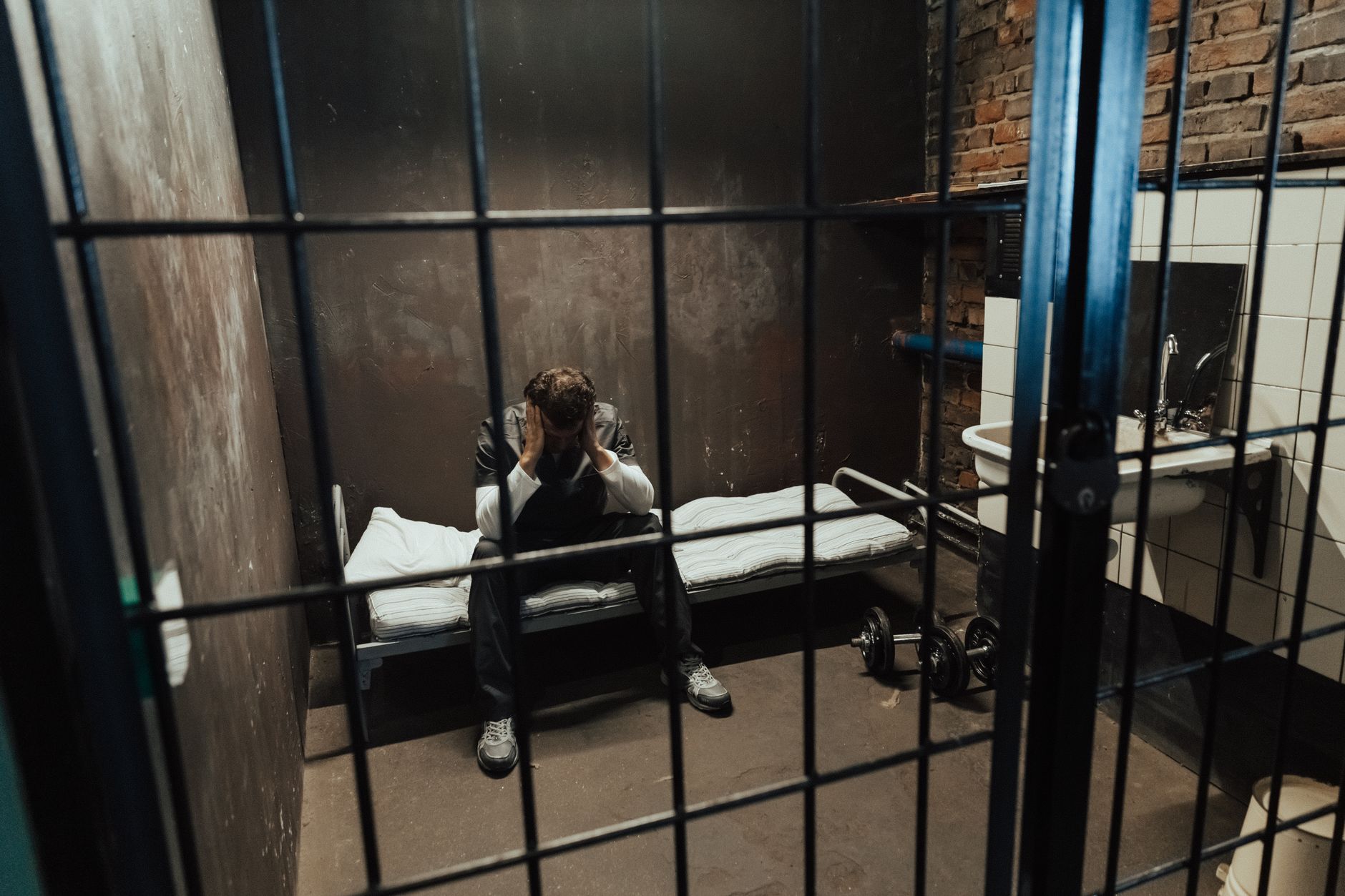
Yes, the conduct can rise from negligence to gross negligence. The shift happens when officials continue prolonged isolation despite knowing it is likely to cause serious psychiatric injury. Solitary means 22 or more hours per day without meaningful human contact. Prolonged means more than 15 consecutive days, as Penal Reform International explains in its Mandela Rules guidance.
Exposure is widespread. The U.S. Bureau of Justice Statistics reported the 2011-12 share. About 20% of state and federal prisoners and 18% of jail inmates spent time in segregation or solitary. This guide maps the harm pattern, the negligence test, and the facts that push a case toward gross negligence.
Table of Contents
- What Counts as Prolonged Solitary Confinement?
- What Psychiatric Harm Does Prolonged Isolation Cause?
- When Does the Conduct Look Like Negligence?
- When Does It Rise to Gross Negligence?
- What Limits Claims and What Records Matter?
What Counts as Prolonged Solitary Confinement?
Disciplinary segregation and administrative segregation both count when the person stays locked down nearly all day without real social contact. Short holds differ from prolonged holds because risk grows with days without relief, review, or care. Facilities use solitary for punishment, safety, or control, but the label does not change the 22-hour, 15-day measure.
The time thresholds give families and lawyers a clear starting point. They show when ordinary jail discipline becomes extended deprivation with known mental-health risks. Medical logs, cell checks, and placement orders can prove how long the isolation lasted.
What Psychiatric Harm Does Prolonged Isolation Cause?
People in solitary commonly develop anxiety, depression, paranoia, panic, and problems with memory and focus. The UAB Institute for Human Rights ties isolation to hallucinations, self-harm, suicidal thoughts, and PTSD-like symptoms in its UAB review of solitary's mental toll. Harm does not always end at release.
The Vera Institute summarized a JAMA Network Open cohort of 229,274 people released from North Carolina prisons in 2000-2015. Restrictive-housing exposure raised post-release death risk, including about 78% higher suicide mortality within one year. Homicide and overdose risk also rose.
- anxiety and panic that worsen at night
- depression, withdrawal, and loss of focus
- paranoia, hallucinations, and disorientation
- self-harm and suicidal thoughts
When Does the Conduct Look Like Negligence?
Ordinary negligence means failure to use reasonable care. The Cornell Legal Information Institute says it generally requires duty, breach, harm, and causation in its Cornell law explainer on negligence. The breach must factually and proximately link to the injury.
In a jail or prison, that can mean skipping mental-health screening before segregation. It can also mean rare cell checks, ignored sick-call slips, or delayed referral after clear warning signs. One missed check may look like negligence when staff should have foreseen harm and acted.
When Does It Rise to Gross Negligence?
Gross negligence is an extreme departure from ordinary care. The Cornell Legal Information Institute describes it as reckless disregard or conscious conduct known to be likely harmful in its gross negligence explainer. That finding can support higher or punitive damages. Duration plus knowledge often drives the upgrade. Holding a person with known psychosis, prior suicide attempts, or fresh hallucinations beyond 15 days without review points toward reckless disregard.
So do ignored grievances, stopped medication, and denied psychiatric visits. A related prison standard is deliberate indifference. The Journal of the American Academy of Psychiatry and the Law ties Eighth Amendment violations to knowing disregard of a substantial risk of serious harm. In DePaola v. Clarke, the Fourth Circuit revived a mentally ill solitary prisoner's deliberate-indifference claim.
What Limits Claims and What Records Matter?
According to analysis of U.S. Bureau of Justice Statistics 2011-12 findings, much evidence is observational.
People with serious psychological distress are disproportionately placed in segregation, so isolating solitary's independent causal role is difficult. Detailed records help separate background illness from new or worsened harm. Families should preserve placement dates, medical requests, and symptom changes: Bring those papers, plus a timeline of isolation and symptoms, to an early consultation with a personal-injury or civil-rights attorney.
- housing and segregation orders with start and end dates
- sick-call slips, grievances, and staff responses
- diagnosis, medication, and suicide-watch notes
- names of witnesses to behavior changes
You Might Also Like
- An Aircraft Engine Failure Following a Deferred Inspection: Does the Conduct Rise From Negligence to Gross Negligence?
- A No-Knock Raid at the Wrong Address: Does the Conduct Rise From Negligence to Gross Negligence?
- A Jail Death Following Untreated Withdrawal Symptoms: Does the Conduct Rise From Negligence to Gross Negligence?