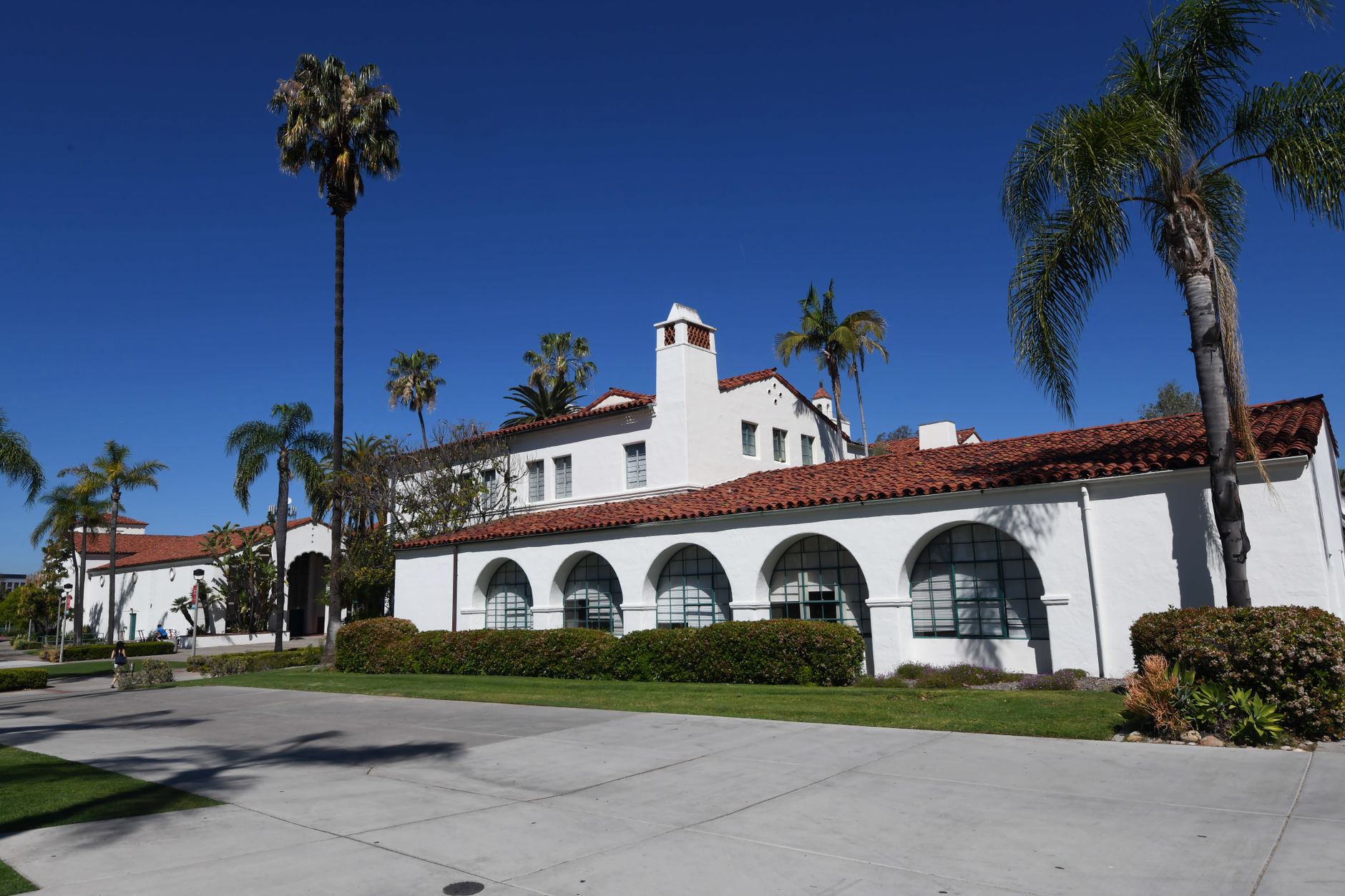
Exercise equipment injuries at community recreation facilities have become a significant source of litigation across Florida, including at Century Village in West Palm Beach. When residents suffer injuries from poorly maintained, defectively designed, or negligently supervised gym equipment, the facilities and their management companies often face legal claims for damages and compensation. Century Village residents have pursued legal action against their recreational facilities and associated parties, with cases sometimes requiring representation from experienced personal injury and commercial litigation attorneys.
Lawsuits arising from exercise equipment injuries typically involve questions of facility maintenance standards, equipment inspection protocols, and the duty of care owed to residents using shared recreational spaces. At a facility like Century Village, which serves hundreds of residents who use fitness equipment regularly, even a single serious injury can trigger formal legal proceedings. These cases often involve arbitration processes rather than public court trials, which means many settlement details and case specifics remain confidential and unavailable to the public.
Table of Contents
- What Types of Exercise Equipment Injuries Lead to Lawsuits at Residential Communities?
- Arbitration Versus Public Court Litigation in Community Disputes
- The Role of Facility Management Companies in Equipment Maintenance
- Establishing Negligence in Exercise Equipment Injury Cases
- Common Barriers to Pursuing Exercise Equipment Injury Claims
- How Attorneys Investigate Equipment Injury Cases
- Understanding Settlement Negotiations and Damage Awards
What Types of Exercise Equipment Injuries Lead to Lawsuits at Residential Communities?
Exercise equipment injuries at residential communities like Century Village range from minor strains to catastrophic incidents requiring surgery and long-term rehabilitation. Treadmills present a particular hazard when emergency stop buttons are missing or unclear, or when machines are not properly maintained. Elliptical machines, weight machines, and free weights can cause rotator cuff tears, hernia injuries, spinal damage, and crush injuries when residents are not adequately warned about proper use or when equipment fails suddenly.
In Florida residential communities, the most common basis for liability involves the facility’s failure to maintain equipment according to manufacturer specifications, failure to conduct regular inspections, and failure to post adequate warning signs. For example, a weight machine with worn cables presents an obvious hazard; when a facility knows or should know that cables are deteriorating and does not repair or replace the machine, the facility may be held liable for injuries. Similarly, if a treadmill’s emergency stop mechanism is broken and a facility member sustains injuries that the functioning stop button would have prevented, the facility’s negligence becomes the central question in litigation.
Arbitration Versus Public Court Litigation in Community Disputes
Many residential communities, including Century Village facilities in West Palm Beach, resolve significant disputes through private arbitration rather than public court proceedings. Legal representation in these matters often involves firms experienced in both personal injury claims and commercial arbitration, such as Greenspoon Marder, which has represented the recreational facilities at Century Village West Palm Beach in arbitrations. When disputes proceed through arbitration, the terms of the arbitration agreement, confidentiality clauses, and the arbitrator’s final decision typically remain private and are not available in public court records.
This confidentiality creates a significant limitation for people researching similar injury cases. If a settlement or damage award results from arbitration, the injured party, the facility, and their attorneys are usually bound by confidentiality agreements that prevent public disclosure of settlement amounts, injury details, or findings of negligence. This means that even substantial settlements and injury claims related to exercise equipment at Century Village may never appear in news coverage or public legal databases. Residents considering their own claims often cannot access information about how similar cases have been resolved at their own facility.
The Role of Facility Management Companies in Equipment Maintenance
Facility management companies hired by residential communities bear significant legal responsibility for the condition and safety of exercise equipment. The contract between a community and its management company typically specifies inspection schedules, maintenance protocols, and liability allocations. If a management company fails to perform required inspections or knowingly allows defective equipment to remain in service, the management company may face direct liability, or the resident may pursue the community as well as the management company together. Documentation of maintenance and inspection records becomes critical in these disputes.
Facilities should maintain detailed logs showing when equipment was inspected, what defects were found, and when repairs were completed. If records show that a broken treadmill was reported by a resident but left unrepaired for months before someone was injured, that documentation strongly supports a negligence claim. Conversely, if records demonstrate frequent inspections and prompt repairs, the facility has a stronger defense. In litigation, one party will argue the maintenance records are incomplete or show negligence, while the other will argue they prove due diligence.
Establishing Negligence in Exercise Equipment Injury Cases
To win damages in an exercise equipment injury lawsuit, the injured party must generally prove that the facility had a duty to maintain the equipment safely, that the facility breached that duty, that the breach caused the injury, and that actual damages resulted. This four-part framework applies whether the case proceeds through arbitration or court. The facility’s duty typically includes regular inspections, prompt repairs, and adequate warning to users about known risks. Comparing cases across different facilities illustrates how courts and arbitrators weigh evidence.
In one scenario, a facility receives a maintenance report identifying a specific hazard, ignores it for three months, and then a resident is injured in a way the report predicted. This shows clear breach and causation. In another scenario, a facility conducts weekly inspections, finds and repairs issues promptly, posts warning signs, and a resident ignores instructions and is injured. This scenario presents a much weaker negligence case because the facility exercised reasonable care. The difference in outcomes can be substantial, as settlements and judgments in clear negligence cases typically far exceed those in borderline cases.
Common Barriers to Pursuing Exercise Equipment Injury Claims
Several factors complicate exercise equipment injury claims, particularly at residential communities. First, facilities often require residents to sign liability waivers or arbitration agreements as a condition of using the equipment. While not all such waivers are enforceable, they can significantly limit a resident’s options. A strong waiver may bar a lawsuit entirely or require arbitration, which as noted earlier, results in confidential resolution. Second, determining who was at fault can be difficult if the equipment was in an unsupervised area and the injured person cannot clearly explain what happened.
Third, some injuries appear minor at first but reveal more serious damage weeks or months later. A resident who experiences back pain after using a malfunctioning weight machine might initially assume the pain will resolve, but imaging later shows a herniated disc requiring surgery. By then, time has passed, and memories of exactly what happened have faded. Medical causation—proving that the specific equipment, in its specific condition, caused the specific injury—requires expert testimony and can be complex. A facility’s defense attorney will often argue that the resident’s pre-existing conditions, lack of proper form, or age contributed to the injury, not the equipment.
How Attorneys Investigate Equipment Injury Cases
Personal injury attorneys representing residents typically begin by obtaining photographs and video of the alleged equipment, securing maintenance records from the facility, reviewing the resident’s medical records, and interviewing witnesses. In the case of Century Village or similar facilities, attorneys must determine whether claims fall within arbitration requirements and whether insurance coverage exists. Experienced personal injury counsel in West Palm Beach and across Florida will also investigate whether the facility or its management company has faced prior complaints or claims involving the same equipment.
For example, if multiple residents have reported that a particular treadmill is unsafe, and maintenance records show repeated failed repair attempts, an attorney can build a pattern of negligence. This pattern strengthens the case considerably because it shows the facility knew or should have known of the hazard. Conversely, if the injured resident is the first to report a problem with a particular machine, establishing negligence becomes harder, particularly if the defect was not obvious and no warning signs were present.
Understanding Settlement Negotiations and Damage Awards
Settlement negotiations in exercise equipment injury cases typically consider the severity of the injury, the strength of the negligence evidence, available insurance coverage, and the cost of proceeding to trial or arbitration. A serious injury such as a torn rotator cuff requiring surgery, physical therapy lasting months, and permanent loss of function will command a higher settlement than a minor strain. If the injured party is permanently disabled or unable to return to prior employment, damages increase substantially.
Many facilities and their insurers prefer settling within arbitration to avoid the expense, time, and publicity of lengthy proceedings. The actual settlement terms, including monetary amounts and non-monetary provisions such as equipment replacement requirements or facility policy changes, typically remain confidential. This means residents investigating potential claims at Century Village facilities must rely on general knowledge about how similar injuries have been valued in Florida, rather than on specific data from their own community’s prior cases.
- —