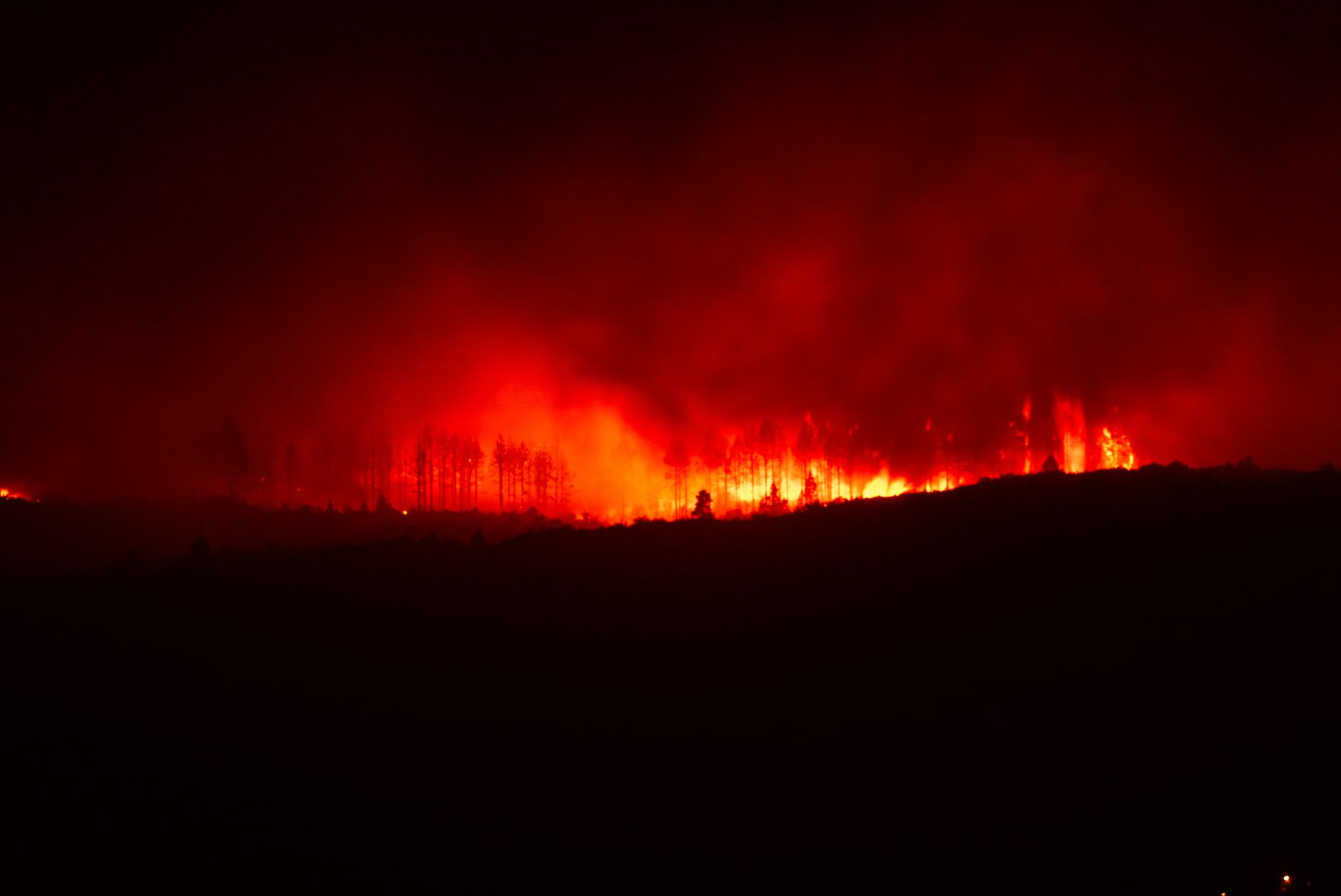
No. The Eaton Fire evidence points to utility equipment as the ignition source, but it does not yet prove gross negligence. Ordinary negligence, or failure to use reasonable care, fits the current findings, while gross negligence requires an extreme departure from careful conduct.
That distinction controls money. The fault level can affect what damages are available and how a jury views utility conduct. Survivors must therefore track what investigators proved and what remains only allegation.
Table of Contents
- What started the Eaton Fire?
- Where is the line between negligence and gross negligence?
- Does the current allegation cross that line?
- Should you take fast payment or keep suing?
What started the Eaton Fire?
The Los Angeles County Fire Department concluded electrical arcing on an out-of-service Southern California Edison tower caused the Eaton Fire. That fire started Jan.
7, 2025, killed 19 people, and damaged or destroyed over 9,000 homes and businesses county investigation bulletin. Arcing points to equipment failure, not weather alone. Failure alone proves a starting point, not the level of fault.
Where is the line between negligence and gross negligence?
Ordinary negligence means failure to use reasonable care. Shouse Law Group explains gross negligence under CACI 425 means lack of any care or an extreme departure from what a reasonably careful person would do California negligence guide.
The second standard demands much stronger proof. A missed clamp looks closer to ordinary negligence. Knowingly leaving a dangerous line unaddressed in fire country looks closer to gross negligence.
- Ordinary negligence: a utility missed a reasonable inspection or maintenance step.
- Gross negligence: a utility ignored a known high risk or acted far outside safe practice.
Does the current allegation cross that line?
Carrier Management reported Muddy Waters alleged SCE knew for five years its wildfire-risk model could not handle high winds without a fix Carrier Management report. That claim frames the conduct as conscious or willful disregard. An allegation alone does not meet the gross-negligence test.
Plaintiffs would need to show SCE saw the wind risk and chose to ignore it. Emails, model warnings, or deferred repairs could matter. Without that proof, the case stays at ordinary negligence.
Should you take fast payment or keep suing?
Southern California Edison offers a voluntary Wildfire Recovery Compensation Program with payments as a faster alternative to litigation, with claims due Nov. 30, 2026 utility recovery page.
Fast payment trades possible full value for speed and certainty. Use this check before you decide: Talk to counsel before you choose speed over a trial claim.
- Document your losses, housing costs, and business interruption.
- Compare program payment terms against litigation risk and delay.
- Get independent legal advice before you sign a release.
You Might Also Like
- Pesticide Drift Injuring Workers on a Neighboring Property: Does the Conduct Rise From Negligence to Gross Negligence?
- Lead Dust Escaping From a Demolition Project: Does the Conduct Rise From Negligence to Gross Negligence?
- An Influencer Promoting an Investment Without Disclosing Payment: Does the Conduct Rise From Negligence to Gross Negligence?