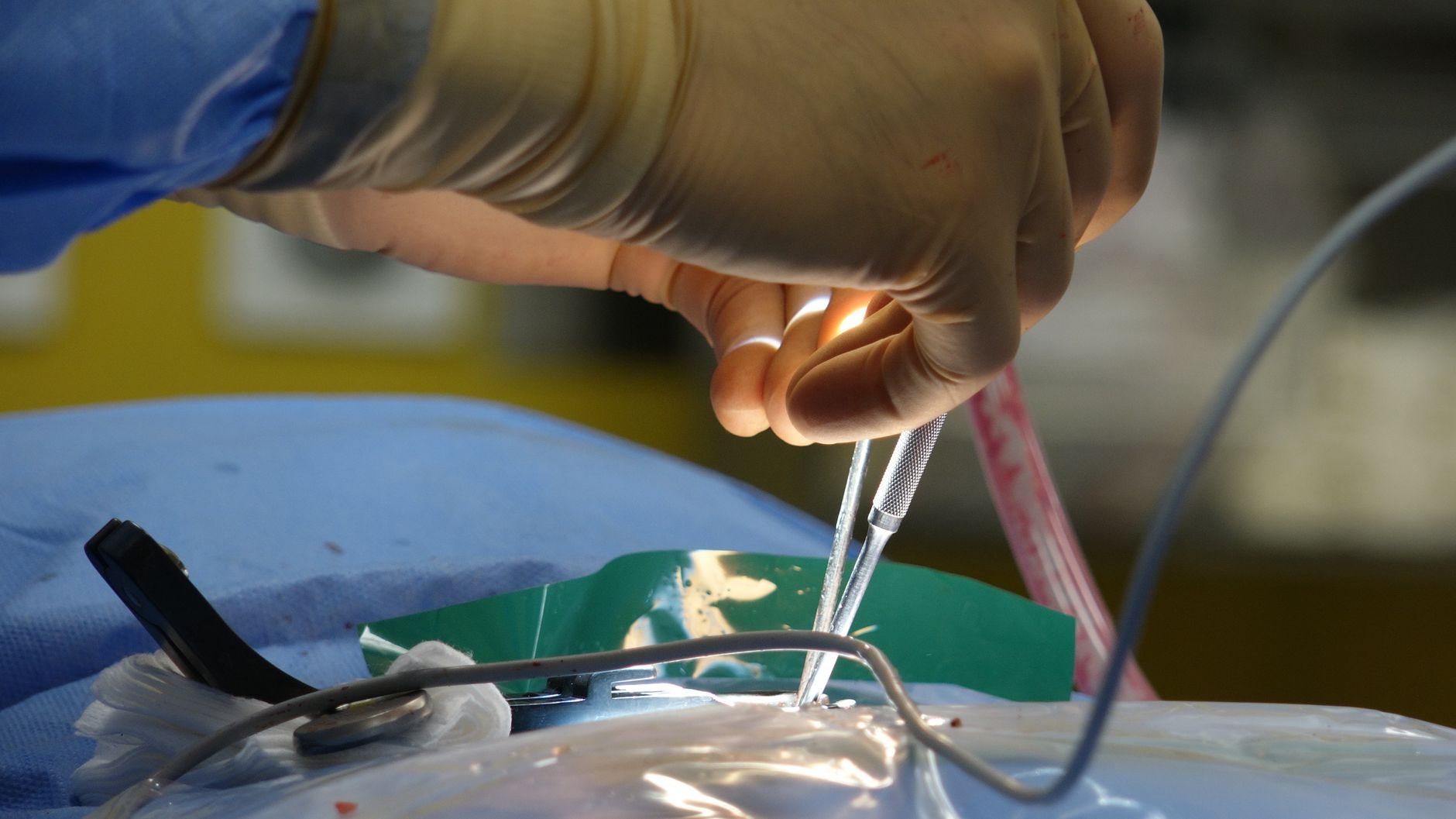
Punitive damages for nerve injury from a spinal cord stimulator are available only for intentional harm or wanton and willful misconduct after knowing injury was likely. A spinal cord stimulator, an implanted device that uses electrical current to manage severe chronic pain unresponsive to other treatment, can cause unexpected nerve damage that alone supports only compensatory damages. Cleveland Clinic lists nerve or spinal-cord injury, lead migration or fracture, infection, spinal-fluid leak, bleeding, and need for revision or removal among stimulator risks in its Cleveland Clinic treatment overview. That known-risk background shapes why courts separate a bad outcome from punishable conduct.
Table of Contents
- How these nerve injuries happen
- Why an unexpected injury alone means compensation only
- What can turn a case toward punitive damages
- What courts require as proof
How these nerve injuries happen
Implantation requires trial then permanent implant surgeries. Leads sit near the spinal cord, so placement, shifting, infection, or operative injury to a spinal root can damage nerves.
A retrospective study of 71,172 implants found postoperative spinal cord injury within 45 days in 0.42% of patients, typically tied to infection or operative spinal-root injury, according to the 2024 case report in the National Library of Medicine in this peer-reviewed case analysis. The low rate helps explain why an injury can feel unexpected to the patient even when the risk was documented.
Why an unexpected injury alone means compensation only
An unexpected result proves harm, not intent. Personal injury law treats surgical complications, device failure, and inadequate warning as grounds for medical costs, lost income, pain, and future care.
Cornell Law School Legal Information Institute explains that punitive damages are awarded beyond actual damages only for particularly harmful conduct such as intentional tort or wanton and willful misconduct after knowing injury was likely in its punitive damages definition. Surprise, severity, or permanence does not meet that test by itself.
What can turn a case toward punitive damages
Punishment turns on what the maker or provider knew and did. Proof that the company knew of the nerve risk and hid it, ignored warnings, or pushed ahead despite likely injury moves the claim beyond negligence.
Examples include concealing adverse events, marketing for an unsafe use, skipping a required warning update, or implanting despite a known patient-specific danger. Each example links knowledge of likely injury to a choice to proceed anyway.
What courts require as proof
The bar is higher than negligence and needs stronger evidence. New Jersey's Supreme Court held Aug. 25, 2022 in Rivera v.
Valley Hospital that punitive damages require clear and convincing evidence of actual malice or wanton and willful disregard, as described in this Gebhardt and Kiefer decision report. Many states use a similar elevated standard. Readers considering a claim should preserve facts that show knowledge and choice: Save the device packaging, explant findings, and infection or imaging records if revision surgery occurs.
- implant consent form, device model, lead type, and operative notes
- warnings given about nerve injury, revision, or removal
- prior complaints, alerts, or revision advice about the same device
- messages showing the provider or maker knew of the specific risk
You Might Also Like
- A Spinal Cord Stimulator Causing Unexpected Nerve Injury: Which Economic and Non-Economic Damages Could Be Available?
- A Spinal Cord Stimulator Causing Unexpected Nerve Injury: What Evidence Could Prove—or Defeat—Liability?
- Boston Scientific Spinal Cord Stimulator Products-Liability Proceedings: Possible Outcomes, Penalties, Damages, or Other Remedies