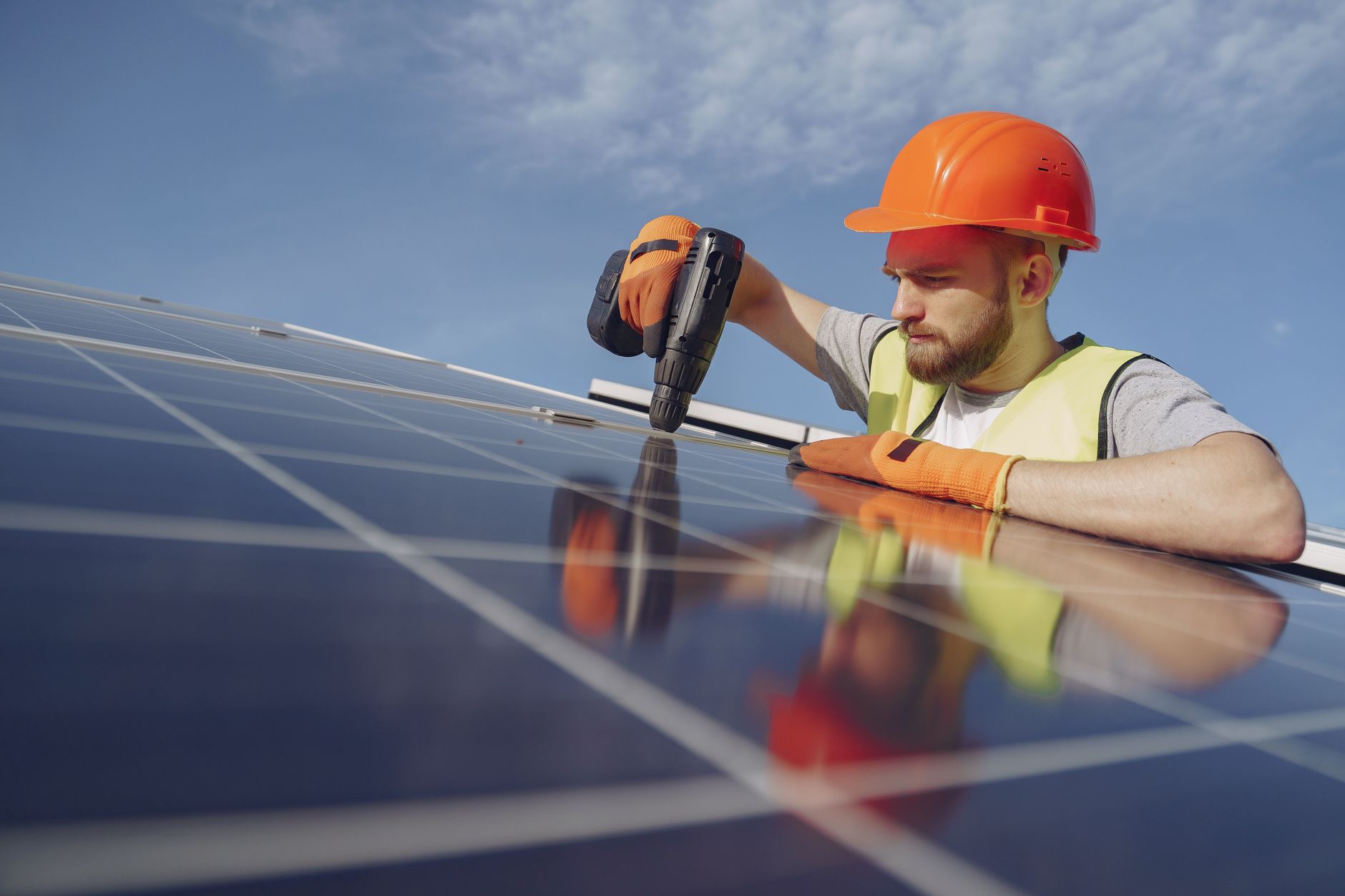
A homeowner could support an exemplary-damages claim with clear and convincing proof that a solar installer caused harm through fraud, malice, or gross negligence. Exemplary damages, also called punitive damages, punish serious misconduct and deter future misconduct instead of repaying losses.
Public enforcement shows the pattern that matters. Cases pair a bold savings promise with hidden loan terms, weak production, or poor installation. Those combined facts carry more weight than one high utility bill.
Table of Contents
- What turns a wrong estimate into fraud?
- How do hidden loan terms support fraud?
- Why does a pattern matter?
- What evidence should you keep?
- What legal bar must you clear?
What turns a wrong estimate into fraud?
Solar savings are site-specific, not guaranteed. The U.S.
Department of Energy says savings vary with usage, utility rates, roof size and orientation, system size, lease choice, and export credit Department of Energy savings guide. A claim grows stronger when the seller promised immediate savings without checking those inputs. Arizona's attorney general, with the FTC and Justice Department, sued Vision Solar, Solar Xchange and owner Mark Getts over unsubstantiated savings claims, false affiliation claims, and illegal telemarketing calls.
How do hidden loan terms support fraud?
A savings promise fails when financing erases the savings. New York City's consumer-protection agency sued Radiant Solar and owner William James Bushell over alleged false immediate-savings advertising.
The agency alleged at least 370 consumers signed over $18 million in loans without clear disclosure or consent. It found about $3 million in hidden dealer fees only after lenders paid Radiant city enforcement announcement. Secret fees and missing consent point toward knowing conduct, not clerical error.
Why does a pattern matter?
One complaint can look like a mistake. Repeated tactics can point toward intent or reckless disregard.
Connecticut obtained a $5 million judgment against Vision Solar over alleged predatory sales to vulnerable homeowners and unpermitted work that left systems nonoperating, according to Troutman Pepper Locke Regulatory Oversight. The firm later entered Chapter 7 liquidation. Minnesota's attorney general also obtained discontinuance agreements with Ambia Solar and Everlight Solar over alleged deceptive door-to-door sales.
What evidence should you keep?
Federal enforcement in 2023-2024 targeted inaccurate financing, savings-projection, and tax-credit disclosures, according to Benesch Law solar enforcement review. That makes paperwork the core of proof.
Keep the sales file complete before records disappear. Compare what you were promised with what the system produced and what the loan cost.
- signed contract and all savings models
- loan disclosures, dealer-fee lines, and lender payments
- utility bills and metered production data
- permits, inspection results, and interconnection approvals
What legal bar must you clear?
Texas permits exemplary damages only on clear and convincing evidence that harm resulted from fraud, malice, or gross negligence, according to FindLaw publishing the state law Texas exemplary-damages law. Ordinary negligence, bad faith, or deceptive practice alone is not enough.
The jury must be unanimous. Save proof that ties the misstatement to your signature and loss, then ask a licensed attorney to test causation and eligibility.
You Might Also Like
- A Subscription Service Accused of Making Cancellation Difficult: How Could Plaintiffs Prove Classwide Injury and Damages?
- A Wage Class Alleging Off-the-Clock Work: How Could Plaintiffs Prove Classwide Injury and Damages?
- A Vehicle-Defect Class Seeking Repair and Diminished Value: How Could Plaintiffs Prove Classwide Injury and Damages?