Lawyers evaluate settlement value, the realistic worth of injury claims before verdict, by adding provable losses and weighing fault proof. They discount that total for trial risk, the chance shared fault or an unpredictable jury reduces or wipes out an award. Corrosion cases show why fault proof matters.
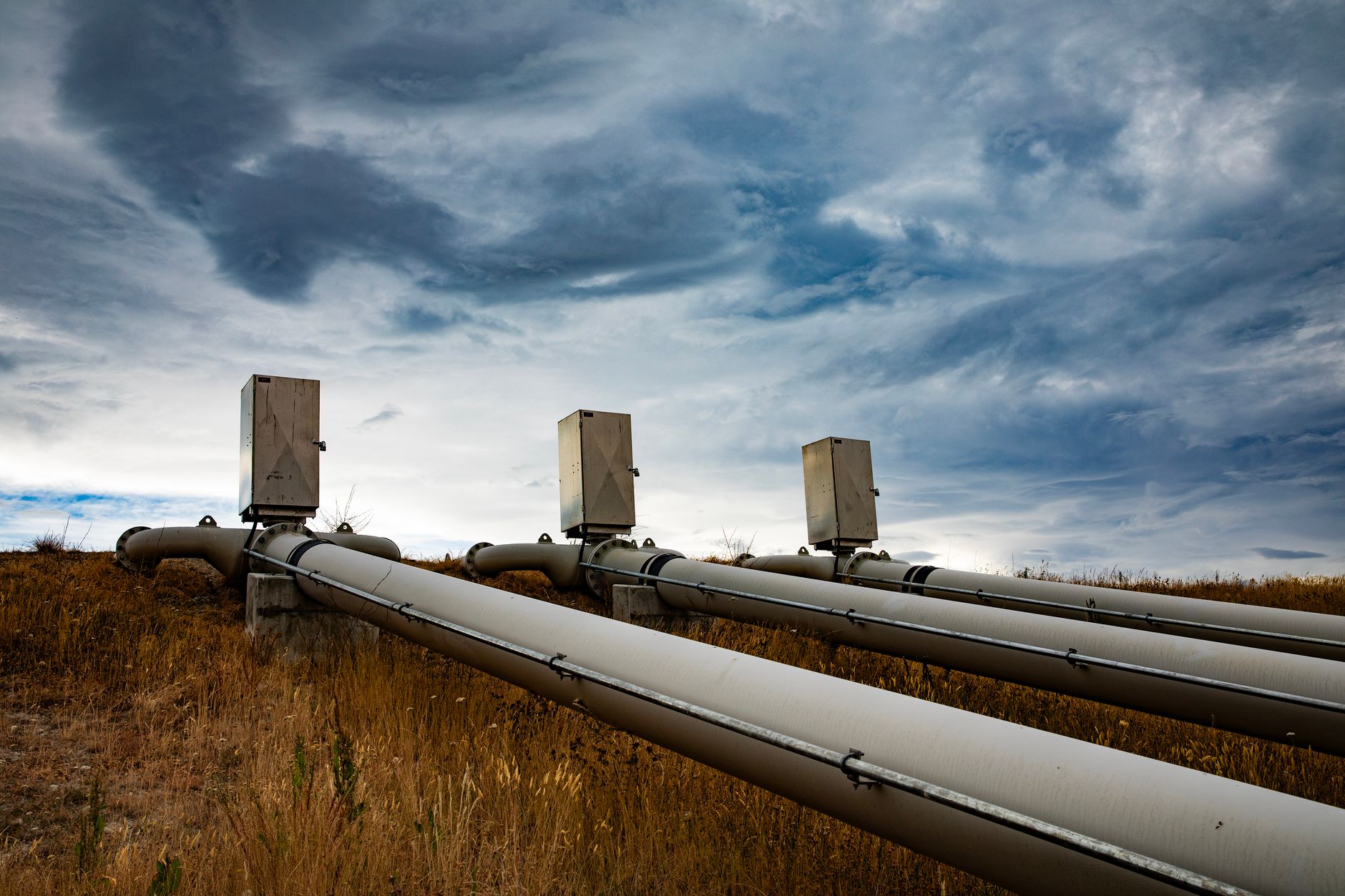
According to the National Transportation Safety Board, a 20-inch Columbia Gas line ruptured near Sissonville on Dec. 11, 2012 and destroyed three homes NTSB advocacy entry. The agency linked the failure to external corrosion from deteriorated coating and weak cathodic protection. Cathodic protection is an electric safeguard that slows rust on buried steel.
Official resources:
- Read the official guidance from Ca — Use this primary source to verify the official guidance.
- Read the original report from Ntsb — Use this primary source to review the complete report.
Table of Contents
- Why does missed corrosion inspection strengthen fault proof?
- What losses count toward settlement value?
- Why do lawyers discount even strong liability cases?
- What practical steps protect your claim value?
Why does missed corrosion inspection strengthen fault proof?
The Sissonville facts give plaintiffs a clear causation story. Metal loss thins pipe walls over time. Deteriorated coating plus ineffective electrical protection lets that thinning continue. Ignition after rupture then looks foreseeable, not freakish. The inspection gap sharpens the claim.
Reporting on the federal investigation says the line had not been inspected or tested since 1988 Occupational Health and Safety report on the NTSB findings. Lawyers use that gap to argue the operator failed to detect a known threat. The argument affects homeowners, injured residents, and families seeking wrongful-death damages. Strong fault proof still has limits. It does not value any one person's injuries. Each claimant must still prove medical harm, property loss, and income loss with records.
What losses count toward settlement value?
Tort law, the law of civil wrongs, aims to relieve injured people, shift loss to the responsible party, and deter misconduct. According to Cornell Law School, compensatory damages measure lost earnings, future earning capacity, pain and suffering, and medical expenses Cornell tort explainer. Punitive damages may add more in some cases to deter misconduct. Lawyers therefore build value from paper proof. Medical bills show treatment cost.
Pay records show lost earnings and reduced earning capacity. Pain testimony, photos, and repair estimates support human and property harm. Punitive potential changes leverage without guaranteeing payment. It depends on proof of especially blameworthy conduct. Lawyers treat it as possible upside, not base value.
Why do lawyers discount even strong liability cases?
Trial outcomes are unpredictable and fault can be shared. According to Cornell Law School, a $200,000 award in Liebeck v. McDonald's was cut to $160,000 for 20% plaintiff fault, while a $2.7 million punitive award was judicially reduced and then settled confidentially Cornell Liebeck case page. The example warns that verdict numbers often shrink. Pipeline defendants may press similar discounts.
They may dispute warning notice, causation, injury scope, or property value. They may argue a plaintiff ignored evacuation orders or contributed to loss. Lawyers price those arguments before recommending settlement. Unpredictability also includes jury variation, evidentiary rulings, and appeal delay. A confidential settlement buys certainty and faster payment. Trial buys a chance at more with a risk of less.
What practical steps protect your claim value?
Early records prevent value loss. Insurers and defendants discount gaps in treatment and missing receipts.
Complete files keep compensatory damages credible. Bring questions about coating, cathodic protection, and inspection history to counsel early. Those answers shape both settlement demand and willingness to face trial.
- Get medical care promptly and keep visit, prescription, and therapy records
- Save pay stubs, tax forms, and employer notes on missed work
- Photograph injuries, housing damage, and personal-property loss
- Keep evacuation, hotel, repair, and replacement receipts
- Write a short timeline of warnings, smells, sounds, and official instructions
You Might Also Like
- Pesticide Drift Injuring Workers on a Neighboring Property: How Do Lawyers Evaluate Settlement Value and Trial Risk?
- Lead Dust Escaping From a Demolition Project: How Do Lawyers Evaluate Settlement Value and Trial Risk?
- A Wildfire Allegedly Started by Utility Equipment: How Do Lawyers Evaluate Settlement Value and Trial Risk?