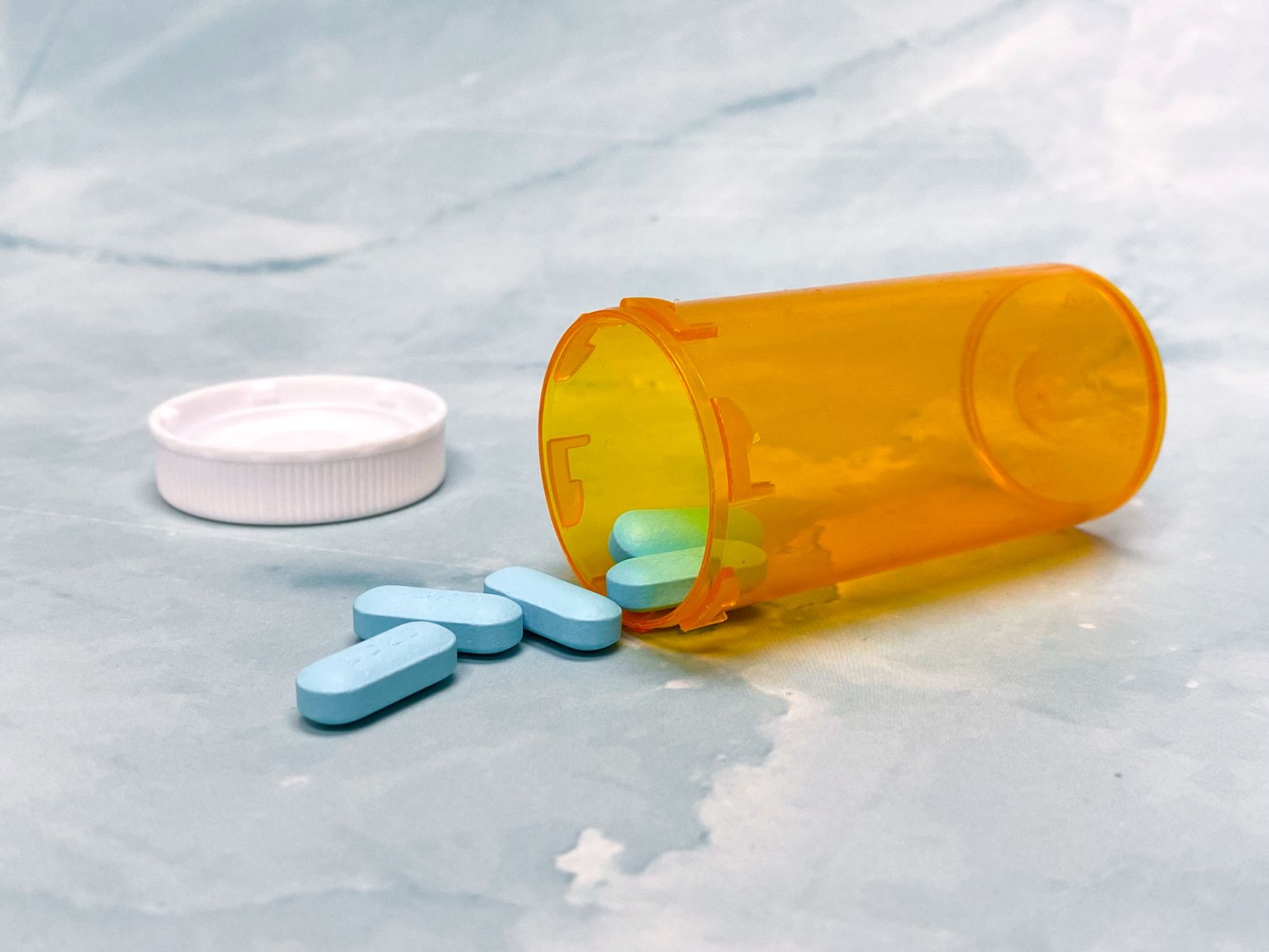
Purdue Pharma, the maker of OxyContin, resolved its Chapter 11 bankruptcy — a court-supervised debt reorganization — through a $7.4 billion settlement paid over 15 years. The deal funds treatment, prevention and recovery, but leaves direct lawsuits intact for creditors who do not affirmatively release the Sackler family. All 55 state and territorial attorneys general agreed to the terms in January 2025, with Sackler family members paying up to $6.5 billion and Purdue paying about $900 million, according to the New York Attorney General in its approval announcement. The money moves mainly to public abatement programs, with a smaller trust for individual injury claims.
Official resources:
- Read the official notice from Ny — Use this primary source to verify the official announcement.
- Read the official notice from Ncsl — Use this primary source to verify the official announcement.
Table of Contents
- Why the Supreme Court rejected the first deal
- Where does the $7.4 billion go?
- What happens to Purdue and the Sacklers now?
- What claims and accountability issues remain open?
Why the Supreme Court rejected the first deal
In Harrington v. Purdue Pharma on June 27, 2024, the Supreme Court ruled 5-4 that bankruptcy law does not permit nonconsensual third-party releases. That decision struck down the earlier plan because it would have shielded the Sacklers from claims by creditors who had not agreed, according to the National Conference of State Legislatures in its ruling summary.
The ruling forced a rewrite. Purdue had to return to bankruptcy court and build a settlement based on consent rather than compulsion. The result was an opt-in release structure.
Where does the $7.4 billion go?
Most funds go to states, localities and tribes for opioid abatement. That means treatment services, prevention programs and long-term recovery support in affected communities.
A separate personal-injury trust provides up to $865 million for individual victims, according to lead counsel Davis Polk in its restructuring account. That trust includes:.
- payments for qualifying personal-injury claims tied to Purdue opioids
- more than $100 million reserved for children born with neonatal abstinence syndrome
- distribution through trust procedures rather than direct state payments
What happens to Purdue and the Sacklers now?
On Nov. 18, 2025, Judge Sean Lane confirmed the rewritten Chapter 11 plan after a trial with 19 witnesses.
It drew support from over 99% of voting creditors and became effective May 1, 2026. On effectiveness, Purdue's operating assets transferred to Knoa Pharma LLC, owned by the nonprofit Knoa Foundation. The Sacklers hold no management role or financial interest, and opioid operations remain under injunction with an independent monitor.
What claims and accountability issues remain open?
To comply with Harrington, the confirmed plan uses consensual releases only. Creditors who do not affirmatively grant a release preserve direct civil claims against Sackler family members, as reported by Claims Journal in its confirmation report.
The civil deal contains no Sackler admission of liability, and no court has found any Sackler liable. That leaves fault and reputation to be tested in opt-out lawsuits. On the criminal side, Purdue was sentenced in April 2026 and paid about $250 million in fines tied to its 2020 federal guilty-plea charges, while Sackler owners and executives faced no criminal charges or trial.
You Might Also Like
- Liebeck v. McDonald’s Hot-Coffee Case: What Were the Settlement Terms, and What Did They Leave Unresolved?
- O.J. Simpson Wrongful-Death Civil Case: What Were the Settlement Terms, and What Did They Leave Unresolved?
- Volkswagen Dieselgate Litigation: What Were the Settlement Terms, and What Did They Leave Unresolved?