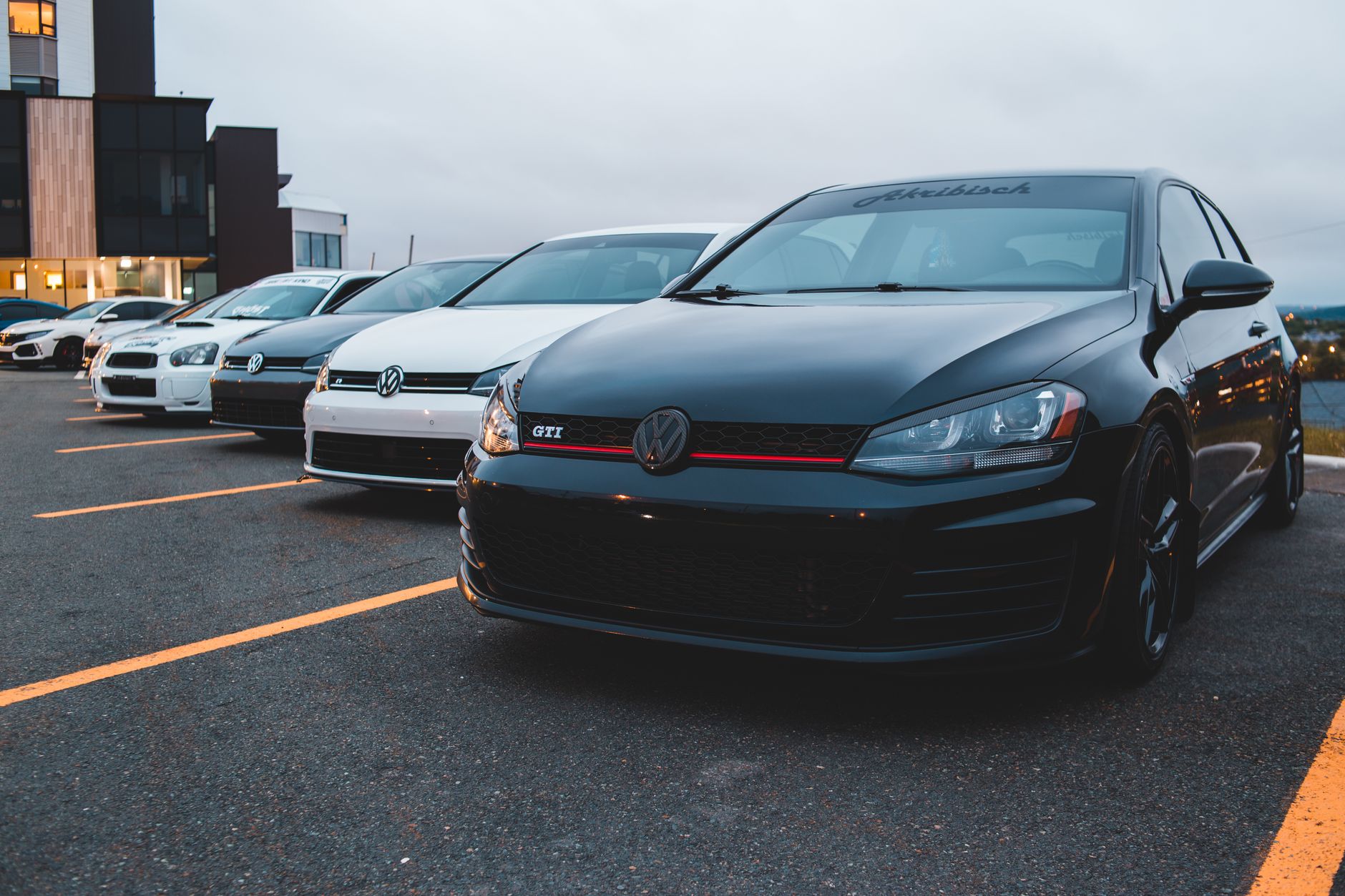
The Dieselgate court orders should be read as approvals of paid settlements, not jury verdicts after trial. Dismissals and later affirmances closed the covered claims because the agreed relief was delivered. Dieselgate means Volkswagen's use of hidden software, called a defeat device, in diesel cars to cheat emissions tests. The software made cars look clean in testing while emitting excess nitrogen oxides on the road.
Official resources:
- https://www.ftc.gov/news-events/news/press-releases/2016/10/federal-judge-approves-ftc-order-owners-certain-volkswagen-audi-clean-diesels-receive-compensation — Use this primary source to verify the official announcement.
- https://www.ftc.gov/news-events/news/press-releases/2020/07/final-court-summary-ftc-reports-volkswagen-repaid-more-95-billion-car-buyers-who-were-deceived-clean — Use this primary source to review the complete report.
Table of Contents
- What did U.S. judges actually approve?
- What did owners receive?
- What did the criminal plea add?
- Why were objections and late opt-outs rejected?
What did U.S. judges actually approve?
On Oct. 25, 2016, U.S. District Judge Charles Breyer approved partial settlements for 2.0-liter cars that resolved Clean Air Act civil claims against Volkswagen entities, as reported by the U.S. EPA in the EPA enforcement summary.
That approval triggered buybacks, fixes, and pollution remedies. The same deal required a $2.7 billion emissions-mitigation trust for nitrogen-oxide reduction plus $2 billion for zero-emission-vehicle investment and promotion. The U.S. Justice Department described those terms in June 2016 as part of a package of up to $14.7 billion.
What did owners receive?
The 2.0-liter program covered nearly 500,000 model-year 2009-2015 diesels. Owners could choose buyback or lease termination plus cash, with up to $10.03 billion set for consumer compensation, according to the Justice Department. The Federal Trade Commission said in October 2016 that most owners would receive $12,500 to $44,000 depending on model, year, mileage, and trim, detailed in the FTC approval release.
The order also barred similar misleading clean-diesel advertising. In its final 2020 summary, the Federal Trade Commission reported Volkswagen and Porsche had repaid over $9.5 billion since 2016, noted in the FTC final court summary. More than 86% of eligible buyers chose buyback over modification.
- Buy back the car and receive cash compensation
- End an eligible lease early and receive cash compensation
- Keep the car and get an approved emissions fix plus cash, where available
What did the criminal plea add?
Volkswagen agreed in January 2017 to plead guilty to three federal felonies for a decade-long cheating scheme involving about 590,000 U.S. diesels. The charges were conspiracy, obstruction of justice, and false statements.
The U.S. Justice Department set the criminal penalty at $2.8 billion. That plea punished the company separately from owner payments and environmental projects.
Why were objections and late opt-outs rejected?
On July 9, 2018, the Ninth Circuit affirmed class certification and settlement approval and denied late opt-outs. The court held dismissal of objections was proper because benefits equaled or exceeded likely trial recovery and followed major effort. That ruling is the key point for interpretation.
An affirmance after settlement means the court found the deal fair, adequate, and final for covered members. Germany's Federal Court of Justice ruled May 25, 2020, in case VI ZR 252/19, that Volkswagen caused intentional immoral damage under BGB sections 826 and 31. Buyers could return cars for purchase-price refunds minus usage compensation plus interest.
You Might Also Like
- Erin Brockovich and PG&E Hinkley Litigation: How Should the Verdict, Dismissal, or Court Order Be Interpreted?
- BP Deepwater Horizon Litigation: How Should the Verdict, Dismissal, or Court Order Be Interpreted?
- Sandy Hook Families v. Alex Jones: How Should the Verdict, Dismissal, or Court Order Be Interpreted?