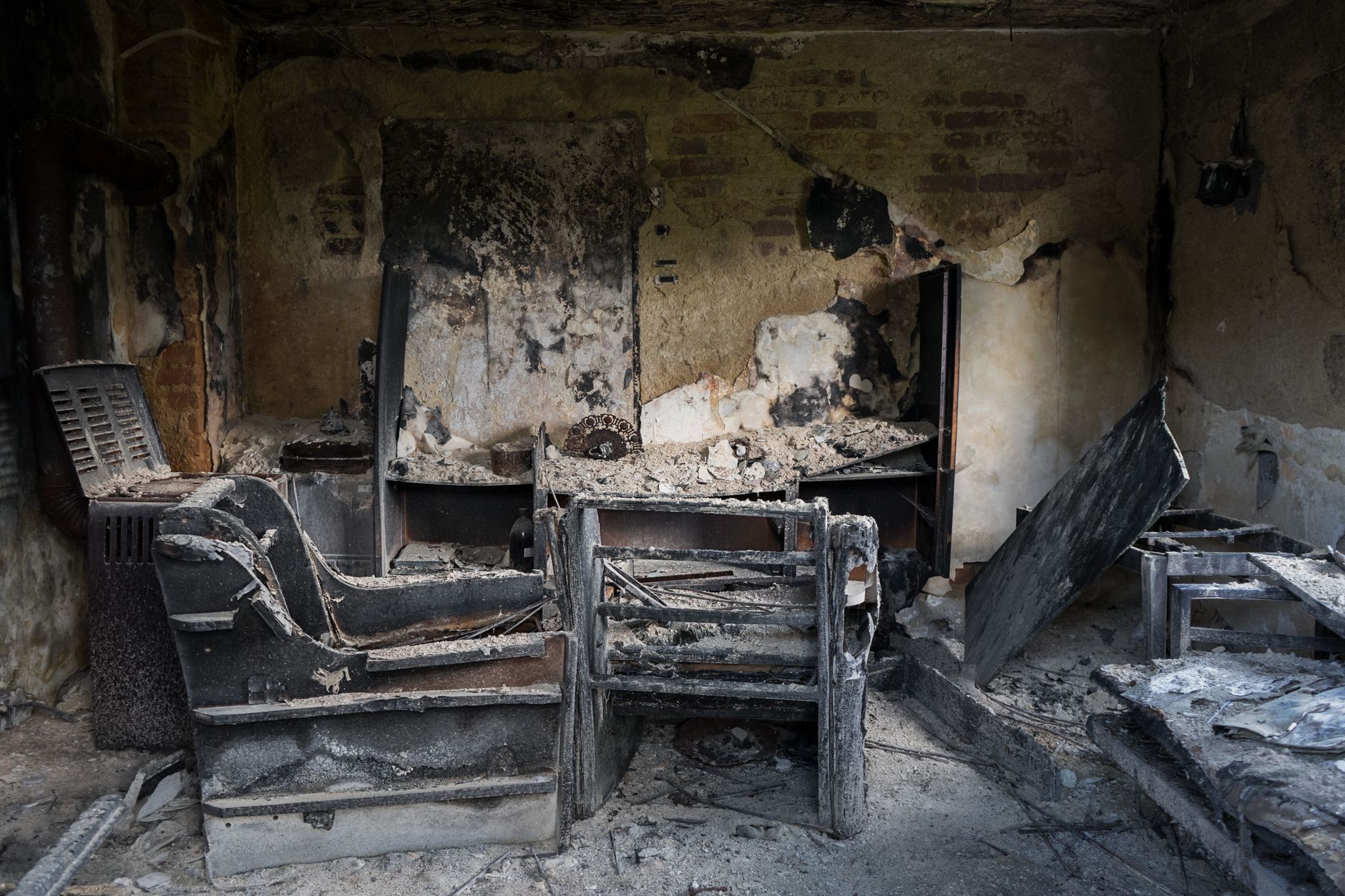
A fair settlement pays full repair cost without depreciation plus living costs and documented belongings. An offer is dangerously low when it subtracts depreciation, omits living costs, or pays little for contents without itemized review.
A load center is the main breaker box that sends power to home circuits. Recalled here means the maker and federal safety agency flagged a defect that can overheat the panel. Your decision turns on what the policy covers, how the loss is valued, and what you can prove.
Official resources:
- Read the official notice from Cpsc — Use this primary source to verify the official announcement.
- Read the official notice from Nhtsa — Use this primary source to verify the official announcement.
Table of Contents
- Which recalled panel is at issue?
- Why does replacement cost decide fairness?
- Does the offer cover where you live now?
- What proof protects full value?
Which recalled panel is at issue?
Schneider Electric recalled about 1.4 million Square D QO Plug-On Neutral load centers in the United States plus 289,000 in Canada. A loose neutral screw can overheat the panel and cause burn and fire hazards, according to the U.S. Consumer Product Safety Commission in the CPSC recall notice. Match the panel label to the recall notice before you argue causation.
Photograph the label, breaker layout, and burn pattern and keep the panel for inspection. Do not repair or discard the panel until the adjuster and any expert record it. A recall alone does not prove the panel caused your fire. You still need evidence linking this defect to ignition in your home.
Why does replacement cost decide fairness?
A fair dwelling payment turns on valuation method. Replacement cost pays to repair or rebuild with similar kind and quality without depreciation. Actual cash value subtracts depreciation and therefore pays less, according to the New Jersey Department of Banking and Insurance in the state insurance guide.
For a five-year-old roof, replacement cost funds a new comparable roof. Actual cash value pays that cost minus five years of wear, so the check is smaller. Ask the adjuster to state the valuation method in writing for each part of the loss. If the offer uses actual cash value where your policy promises replacement cost, that gap makes it low.
Does the offer cover where you live now?
Standard homeowners policies also owe additional living expenses when a covered fire makes the home uninhabitable. These payments cover extra hotel, meal, and relocation costs above normal spending, according to the Insurance Information Institute in the disaster claims guide.
An offer that omits this support is dangerously low. Track normal housing and food spending and save every receipt for the extra amount. Ask for advance payment when hotel bills come due before the full claim settles.
What proof protects full value?
A documented claim supports a fair offer. The Insurance Information Institute advises detailed proof and contractor bids to support value in the disaster claims guide.
Insist on line-item review before you sign a release. Keep copies of bids, photos, and receipts after payment in case hidden damage appears.
- Inventory each item with description, age, and replacement price.
- Photograph damage, keep receipts, and retain property until the adjuster inspects.
- Obtain line-item bids from licensed contractors.
You Might Also Like
- An Electric-Vehicle Fire Rekindling After a Crash: What Could Make a Settlement Offer Fair—or Dangerously Low?
- An Apartment Fire Spreading Through Open Fire Doors: What Could Make a Settlement Offer Fair—or Dangerously Low?
- Mold and Sewage Exposure in Public Housing: What Could Make a Settlement Offer Fair—or Dangerously Low?