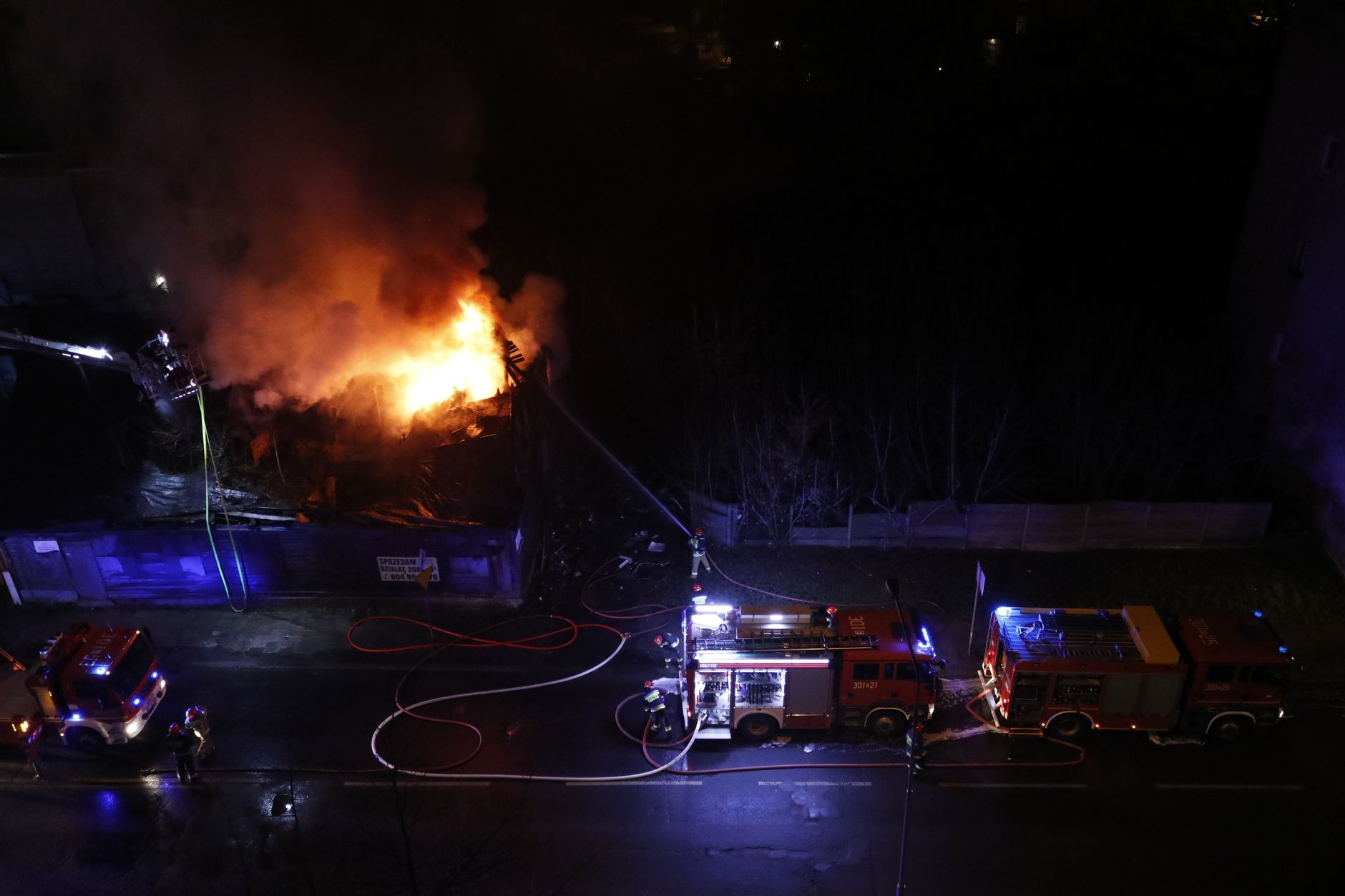
Lawyers evaluate a nightclub fire with overcrowded exits by weighing liability strength, injury severity, insurance limits, and trial cost. Settlement value means the likely paid recovery after risk, fault, and collectability, not the raw harm suffered. The Station nightclub fire shows the pattern.
The National Institute of Standards and Technology found that pyrotechnics ignited foam lining on Feb. 20, 2003, in West Warwick, R.I., killing 100 people as crowding blocked the main entrance in a building without sprinklers, described in the NIST key findings page. That mix of clear code failures and catastrophic loss shapes both payout size and trial risk.
Official resources:
- Read the official guidance from Nist — Use this primary source to verify the official guidance.
- Read the original research from Claimsjournal — Use this page to review the original research.
Table of Contents
- What does exit crowding prove about fault?
- What drives the dollar figure?
- What limits recovery even when liability looks strong?
- Should a survivor push for trial or settle?
What does exit crowding prove about fault?
Crowding matters because it links deaths and injuries to design and management choices. Investigators found about two-thirds of occupants tried to leave through the main entrance. That funnel turned a fast fire into a crush.
Lawyers use that evidence with code rules. After The Station, model code raised the required main entrance and exit width for nightclubs and similar venues from half to at least two-thirds of occupant load. Federal workplace guidance also calls for at least two exit routes placed far apart, so fire blocking one path still leaves another route.
What drives the dollar figure?
Injury lawyers value cases on liability strength, damages severity, jury demographics, insurance limits, and trial-versus-settlement costs, according to the Ott Law Firm case-value guide. Police reports, witnesses, reconstruction, code violations, and expert projections supply the proof.
Severity often controls distribution. In The Station litigation, the court-appointed special master proposed awarding points that favored the most severely injured survivors with the highest medical bills, while anyone proving presence that night could share. Medical cost, lasting disability, lost income, and burn or smoke-inhalation effects therefore carry heavy weight.
What limits recovery even when liability looks strong?
Available money and shared fault set the ceiling. More than 300 survivors and relatives who sued over The Station fire, which killed 100 and injured over 200, settled for a combined 176 million dollars held in a court-approved trust, reported by Claims Journal in its Claims Journal settlement report. One large fund must then stretch across hundreds of severe claims.
Comparative fault can cut individual awards further. Under a pure-comparative-fault rule, a plaintiff assigned 30 percent fault loses 30 percent of the award. Crowded-exit negligence by owners, operators, performers, or inspectors does not erase that plaintiff-side discount.
Should a survivor push for trial or settle?
Settlement trades possible top value for certainty and speed. Trial offers a jury verdict but adds cost, delay, appeal risk, and the chance of a lower award or adverse fault finding.
Lawyers compare the settlement offer to a risk-adjusted verdict range, then subtract added expert, filing, and time costs. Survivors can protect leverage by acting early and preserving proof:.
- Keep tickets, photos, messages, clothing, and medical bills from that night.
- Get prompt care and follow treatment plans so records show severity.
- Avoid signing releases or giving recorded statements before legal review.
- List witnesses who saw exits, crowding, alarms, sprinklers, or staff direction.
You Might Also Like
- Pesticide Drift Injuring Workers on a Neighboring Property: How Do Lawyers Evaluate Settlement Value and Trial Risk?
- Lead Dust Escaping From a Demolition Project: How Do Lawyers Evaluate Settlement Value and Trial Risk?
- An Influencer Promoting an Investment Without Disclosing Payment: How Do Lawyers Evaluate Settlement Value and Trial Risk?