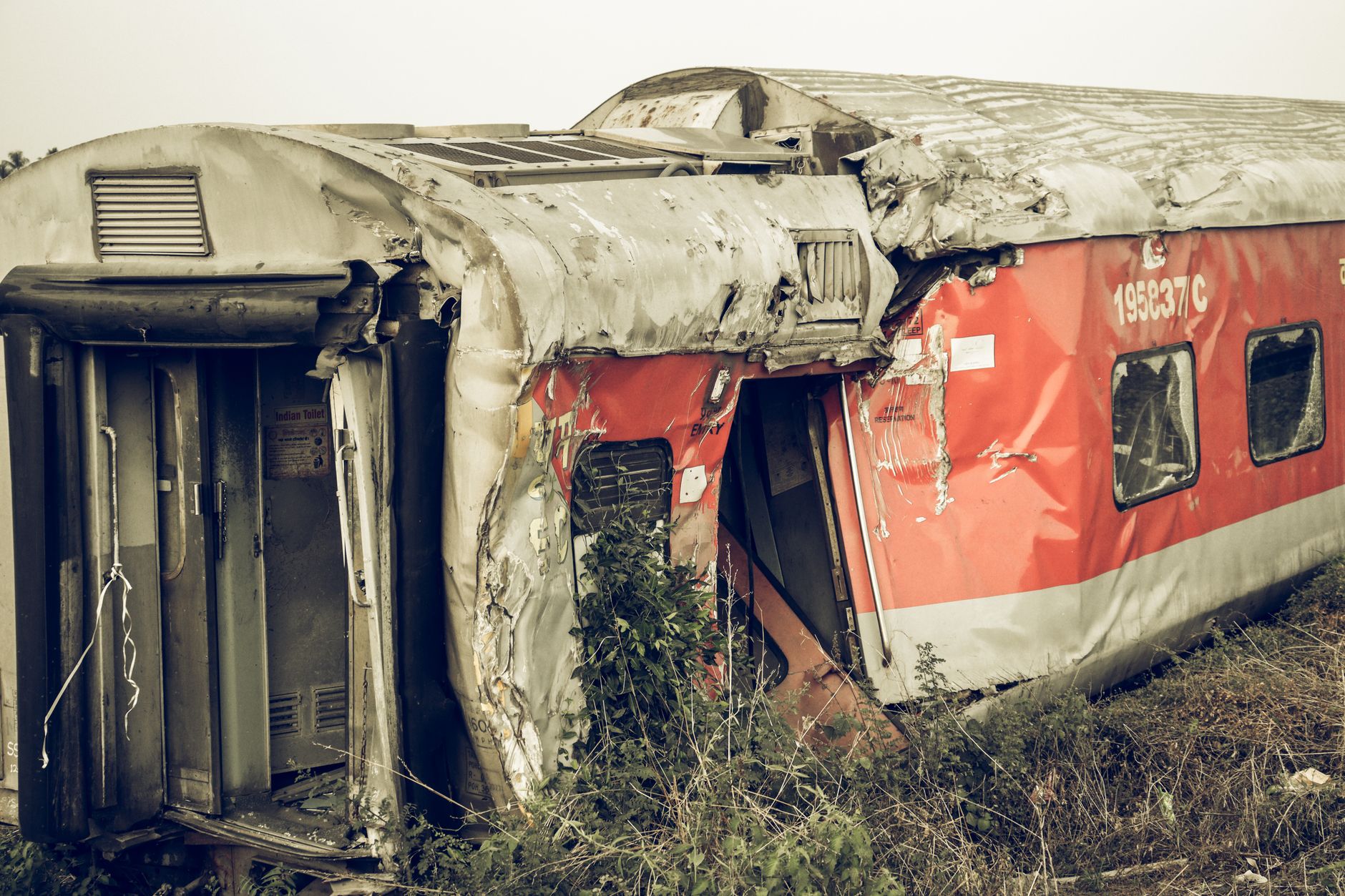
Punitive damages are extra payments meant to punish and deter, not to repay medical bills or property loss. In an Ohio chemical-train case they are available only on clear and convincing evidence that the defendant showed malice or aggravated or egregious fraud, according to Ohio lawmakers in Ohio Revised Code Section 2315.21.
On Feb. 3, 2023, Norfolk Southern train 32N derailed 38 cars in East Palestine, Ohio, after an overheated L1 bearing failed and the axle separated, causing release, fires and a 1-mile evacuation of about 2,000 residents, according to the National Transportation Safety Board press release. That sequence shows why residents ask about punishment damages in addition to cleanup and compensation.
Table of Contents
- What happened in East Palestine?
- What must an Ohio plaintiff prove?
- How do caps and trial procedure limit awards?
- What can affected residents practically do?
What happened in East Palestine?
Five derailed specification tank cars held 115,580 gallons of vinyl chloride monomer. Norfolk Southern vented and burned five vinyl chloride cars on Feb. 6, 2023 to avert a feared explosion, according to the EPA and Justice Department complaint summary. National Transportation Safety Board investigators later found the vent-and-burn was unnecessary to prevent tank-car failure.
The incident commander relied on incomplete and misleading information from Norfolk Southern officials and contractors. The U.S. EPA issued a Feb. 21, 2023 CERCLA unilateral order for cleanup. It required Norfolk Southern to identify and clean contaminated soil and water, reimburse EPA cleanup and residential-cleaning costs, attend public meetings and post information online.
What must an Ohio plaintiff prove?
Ohio does not allow punitive damages for carelessness alone. The plaintiff needs clear and convincing evidence of malice or aggravated or egregious fraud. Ohio courts define actual malice to include conscious disregard for others' rights or safety creating a great probability of substantial harm, according to the Supreme Court of Ohio decision in Cabe v. Lunich.
Ordinary or gross negligence without conscious wrongdoing cannot support punitive damages. For a derailment claim, that distinction matters. A failed bearing or missed warning may show negligence. Punitive damages need added proof that the company knew of a serious danger and consciously disregarded it.
How do caps and trial procedure limit awards?
Ohio caps punitive damages at twice the compensatory award. The plaintiff must first receive a compensatory award for harm already suffered. Ohio lawmakers also require a bifurcated proceeding. The jury first decides liability and compensation before hearing separate punitive-damages evidence.
Federal due-process limits add another check. Under BMW v. Gore and State Farm v. Campbell, courts weigh reprehensibility, the punitive-to-compensatory ratio and comparable civil or criminal penalties, as described by Cornell Legal Information Institute. State Farm warns that few awards exceeding a single-digit ratio satisfy due process.
What can affected residents practically do?
Cleanup and punishment follow different paths. The EPA order addressed soil and water identification, cost reimbursement, meetings and online postings.
Those records matter because compensation comes first. Without documented compensatory harm and proof of conscious disregard, the jury never reaches the punitive stage under Ohio's bifurcated process.
- Track EPA-ordered meetings and Norfolk Southern online postings for cleanup status
- Keep evacuation, medical, work-loss and property-cleaning records separate from cleanup work
- Save contractor, railroad and agency communications about warnings, orders and vent-and-burn decisions
You Might Also Like
- A Train Derailment Releasing Hazardous Chemicals: Which Economic and Non-Economic Damages Could Be Available?
- PFAS Contamination Discovered in a Community Water Supply: When Might Punitive Damages Be Available?
- An Oil Pipeline Leak Damaging Farms and Wetlands: When Might Punitive Damages Be Available?