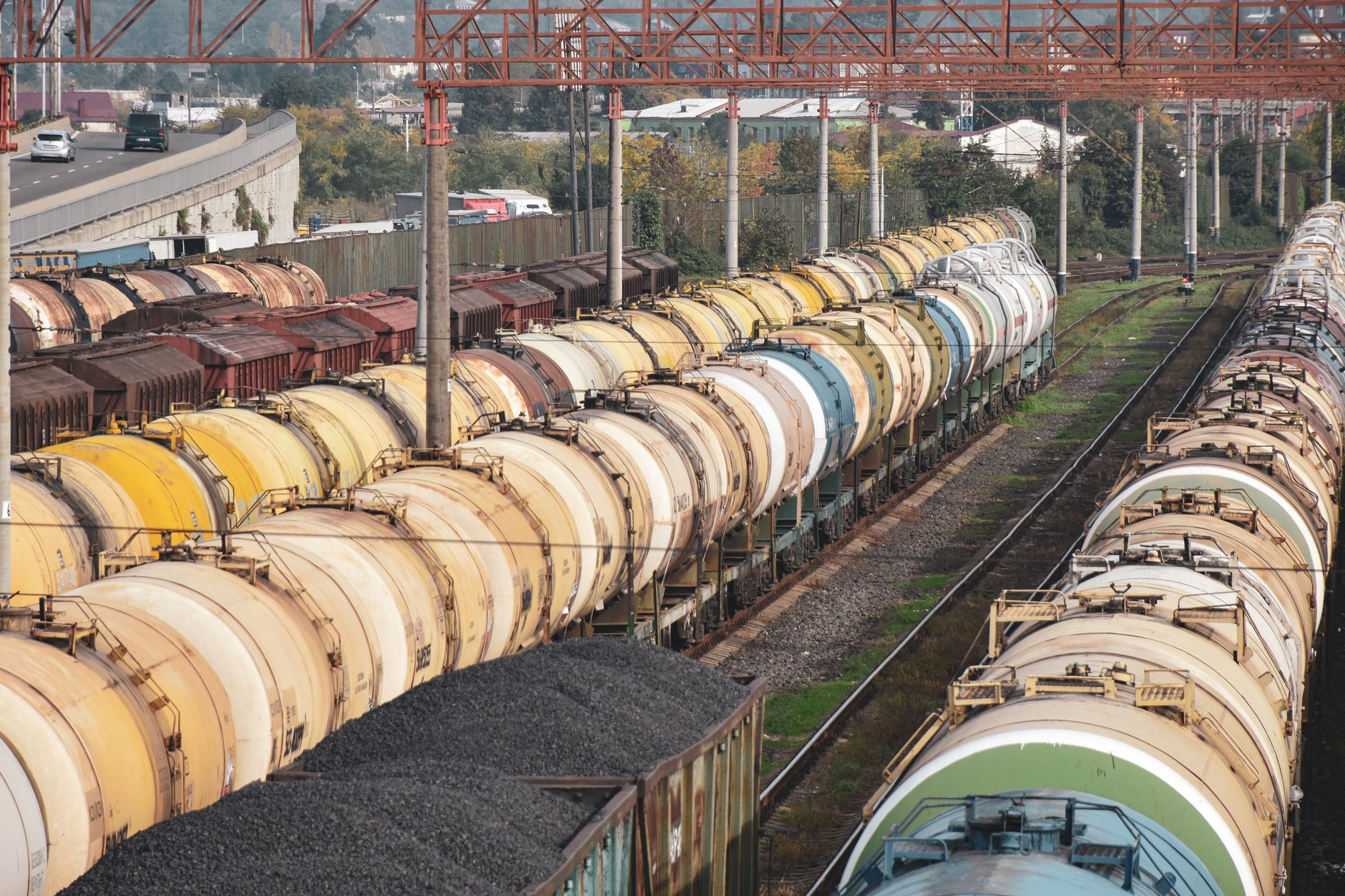
Liability for a chemical derailment turns on evidence tying the railroad's conduct to the spill and the spill to harm. Strong proof of fault, exposure, and loss can establish it, while gaps in exposure or medical records can defeat it. Liability means legal responsibility to pay for cleanup, health care, and lost income. Here that question centers on vinyl chloride, a toxic gas that NTSB says was released and burned after the East Palestine derailment.
Table of Contents
- What caused the derailment and release?
- Was the decision to burn chemicals justified?
- What do cleanup orders and lawsuits prove?
- What proves — or defeats — an injury claim?
- Frequently Asked Questions
What caused the derailment and release?
NTSB says Norfolk Southern train 32N derailed 38 cars in East Palestine, Ohio, on Feb. 3, 2023. An overheated hopper-car wheel bearing caused axle separation, then fire and hazardous-materials release, according to NTSB's June 2024 findings.
That failure sequence matters because it points to preventable causes. Bearing temperature history, detector alerts, inspection records, and maintenance decisions become central proof. They help separate equipment failure from human response.
Was the decision to burn chemicals justified?
NTSB found the Feb. 6 vent-and-burn of five vinyl chloride tank cars was unnecessary to prevent tank failure. The decision rested on incomplete and misleading warnings of a polymerization explosion from a Norfolk Southern contractor.
This creates a second liability question apart from the wreck itself. Even if the bearing failure caused the derailment, the burn decision may have expanded exposure. Contractor communications, test data, and approval records will decide that issue.
What do cleanup orders and lawsuits prove?
EPA issued a Feb. 21, 2023 cleanup order requiring Norfolk Southern to perform all necessary removal actions. EPA followed with an Oct. 18, 2023 order to remove contaminated sediments, described in EPA's East Palestine enforcement orders.
Ohio sued Norfolk Southern on March 14, 2023, seeking cleanup costs, long-term soil and groundwater monitoring, and economic losses for residents and businesses. The later federal proposal valued at over $310 million would add cleanup payment, a $15 million penalty, health and water monitoring, and added detectors. These actions prove government demand for cleanup and monitoring, not automatic proof of personal injury. Private plaintiffs still must link the release to their own medical costs, property damage, or lost income.
What proves — or defeats — an injury claim?
ATSDR states acute vinyl chloride inhalation can cause dizziness, headache, and nausea. Liquid contact causes burns, and federal health authorities classify it as a known human carcinogen, according to ATSDR's vinyl chloride health profile.
ATSDR also cautions that breath testing proves exposure only soon after release. Delayed sampling, missing detector logs, and absent medical records can defeat individual claims. Practical protection is simple:.
- seek medical care promptly and describe chemical exposure
- keep visit notes, prescriptions, work excuses, and receipts
- save proof of location, evacuation orders, air readings, and cleanup notices
- track ongoing symptoms, missed work, and business losses
Frequently Asked Questions
Does a government cleanup order prove I was harmed?
No. It proves the railroad must clean up contamination. You must still prove contact with the chemical and specific loss.
What medical evidence helps most?
Early records help most. Prompt clinic notes, exposure history, test results, and follow-up care carry more weight than later recall alone.
Can a business recover without a physical injury?
Economic proof can support a claim. Keep closure notices, sales records, cleanup bills, and proof tying the loss to the release and evacuation.