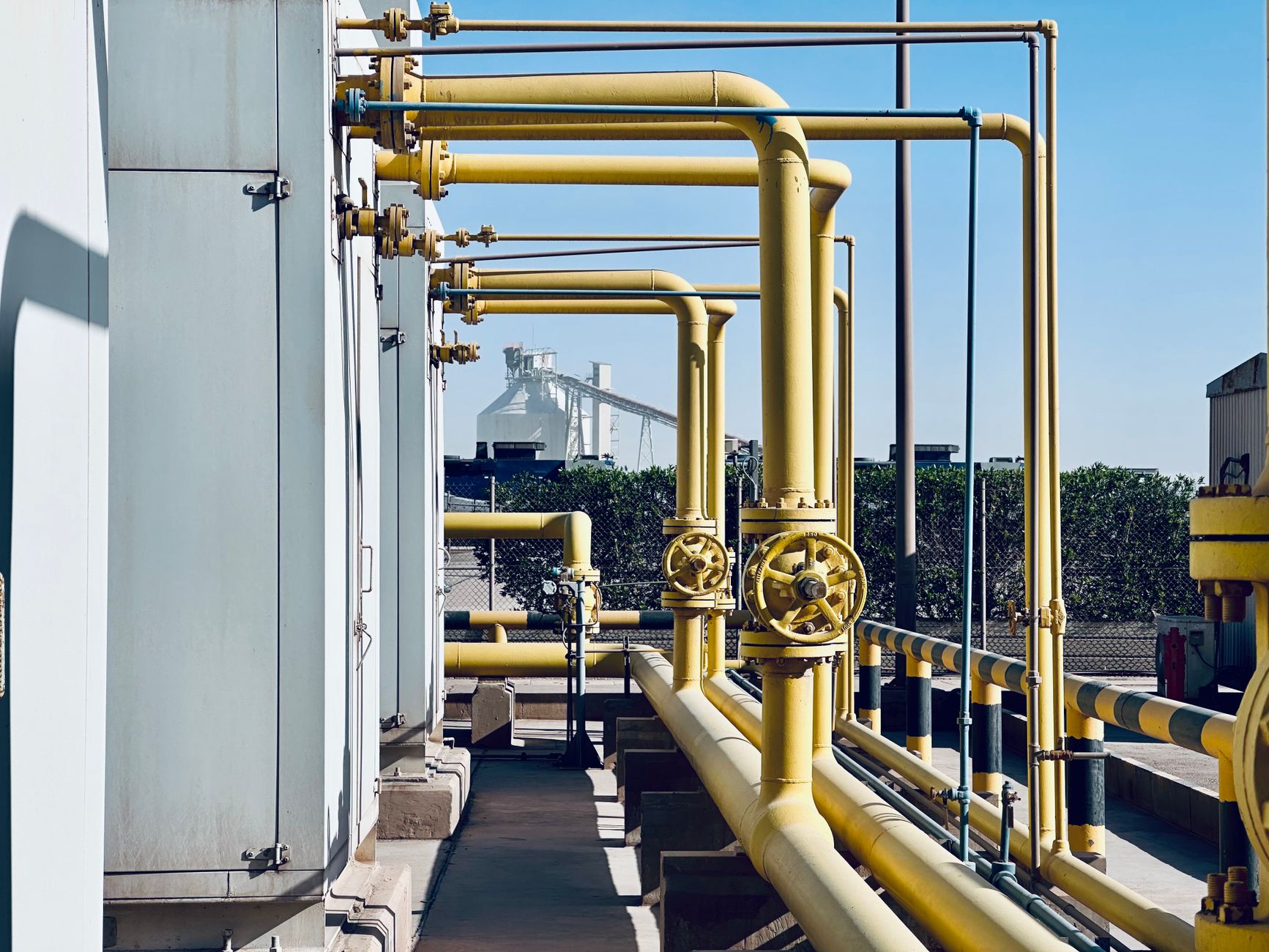
Punitive damages may be available when a pipeline leak that damaged farms and wetlands involved intentional or wanton and willful misconduct. Punitive damages are extra money added to actual damages to punish especially harmful conduct. On Dec.
7, 2022, the Keystone system ruptured in Washington County, Kansas. It spilled about 14,000 barrels of heavy crude over pastureland and into Mill Creek, as described by the U.S. EPA in the EPA news release on the cleanup agreement.
Table of Contents
- What farm and wetland harm counts?
- What conduct can trigger punitive damages?
- How do private claims fit beside a federal cleanup?
- What limits the size of a punitive award?
What farm and wetland harm counts?
Oil threatens fresh-water environments by harming plant and animal life. It acts through both physical coating and chemical toxicity, according to the U.S. EPA archive.
That harm supports farm-crop, fishery and habitat losses. Wetlands such as freshwater swamps, marshes and prairie potholes are extremely sensitive to oil. They serve as hatcheries, nesting areas, food sources and watering areas for wildlife, according to the U.S. EPA Region 8 contingency plan.
What conduct can trigger punitive damages?
Punitive damages are added to actual damages only for especially harmful conduct. That generally requires proof of intentional tort or wanton and willful misconduct. The misconduct must be undertaken knowing injury was likely, according to Cornell Legal Information Institute in punitive damages guide.
For example, California permits punitive damages for breach of a non-contract obligation only on clear and convincing evidence. The plaintiff must show oppression, fraud or malice under California Civil Code section 3294 via FindLaw. Malice means intent to injure or despicable conscious disregard of safety. For a farm or wetland case, gather proof that shows:.
- prior complaints, inspections or warnings showing risk was known
- decisions to defer maintenance, monitoring or repair despite that risk
- intent to injure, fraud or conscious disregard of safety
How do private claims fit beside a federal cleanup?
After the Washington County spill, the U.S. EPA ordered TC Oil Pipeline Operations to recover oil, oil-contaminated soil and vegetation. The order also required containment of further spread and completion of cleanup and restoration under EPA oversight. The agency acted after oil reached about 3.5 miles downstream.
The Clean Water Act does not preempt punitive-damages awards for private harms from an oil spill. The U.S. Supreme Court preserved state tort claims such as trespass, nuisance or negligence as the punitive vehicle in Exxon Shipping Co. v. Baker.
What limits the size of a punitive award?
A key limit is constitutional proportionality. Few awards substantially exceeding a single-digit punitive-to-compensatory ratio satisfy due process, the U.S. Supreme Court explained in State Farm ruling on punitive damages.
Large compensatory awards may allow only a 1-to-1 ratio. Punitive damages do not replace proof of actual farm and habitat loss. Track treatment costs, crop records, soil tests and restoration bills separately from punishment evidence. Bring maintenance complaints, inspection records and prior leak notices to your first legal consultation.